
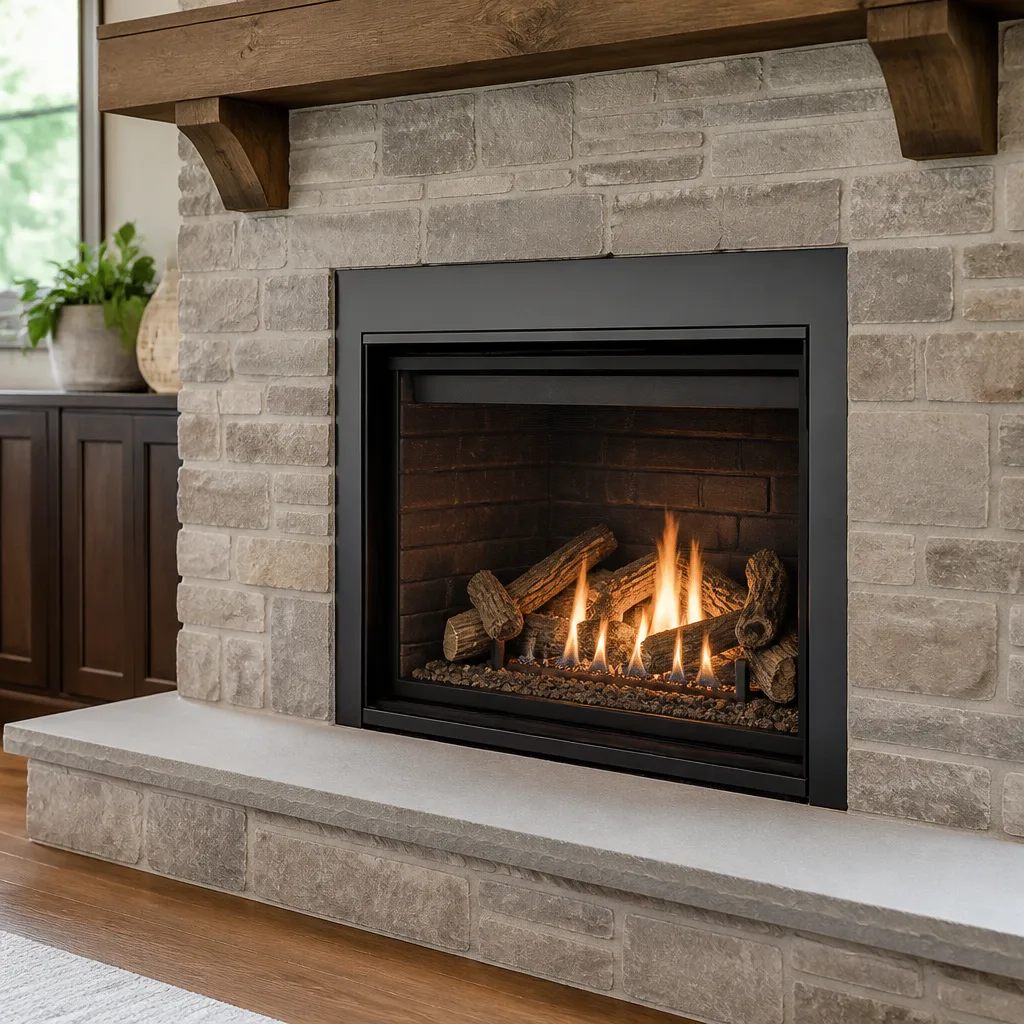
 Gas fireplace service
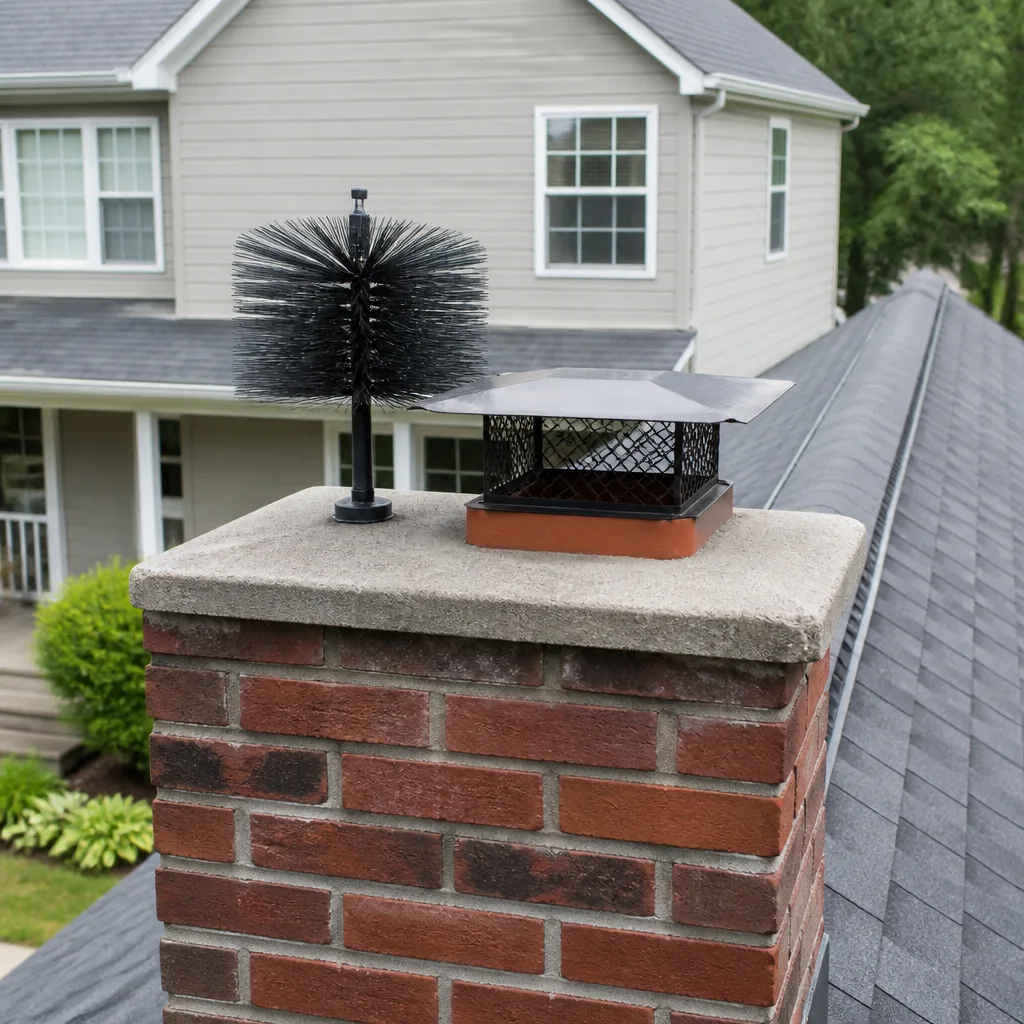 Sweep & inspection
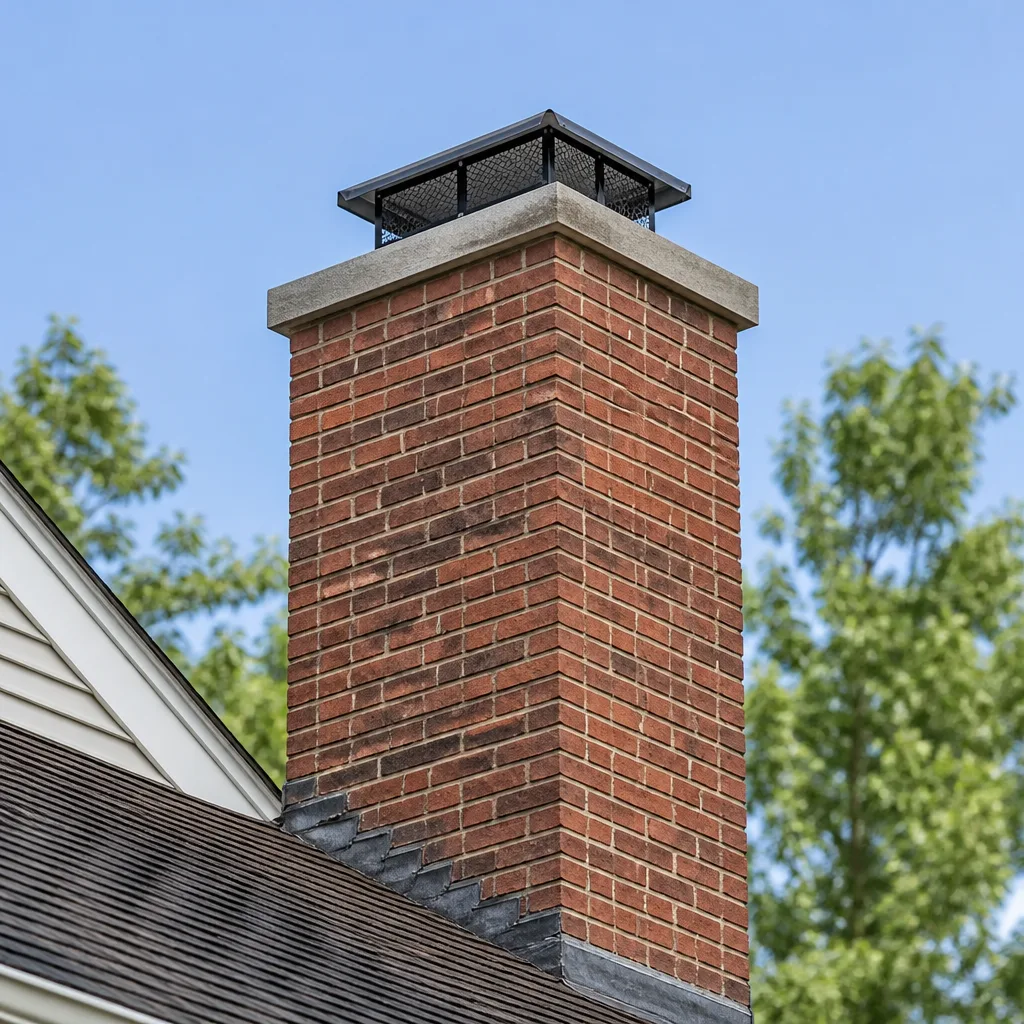 Caps & crowns
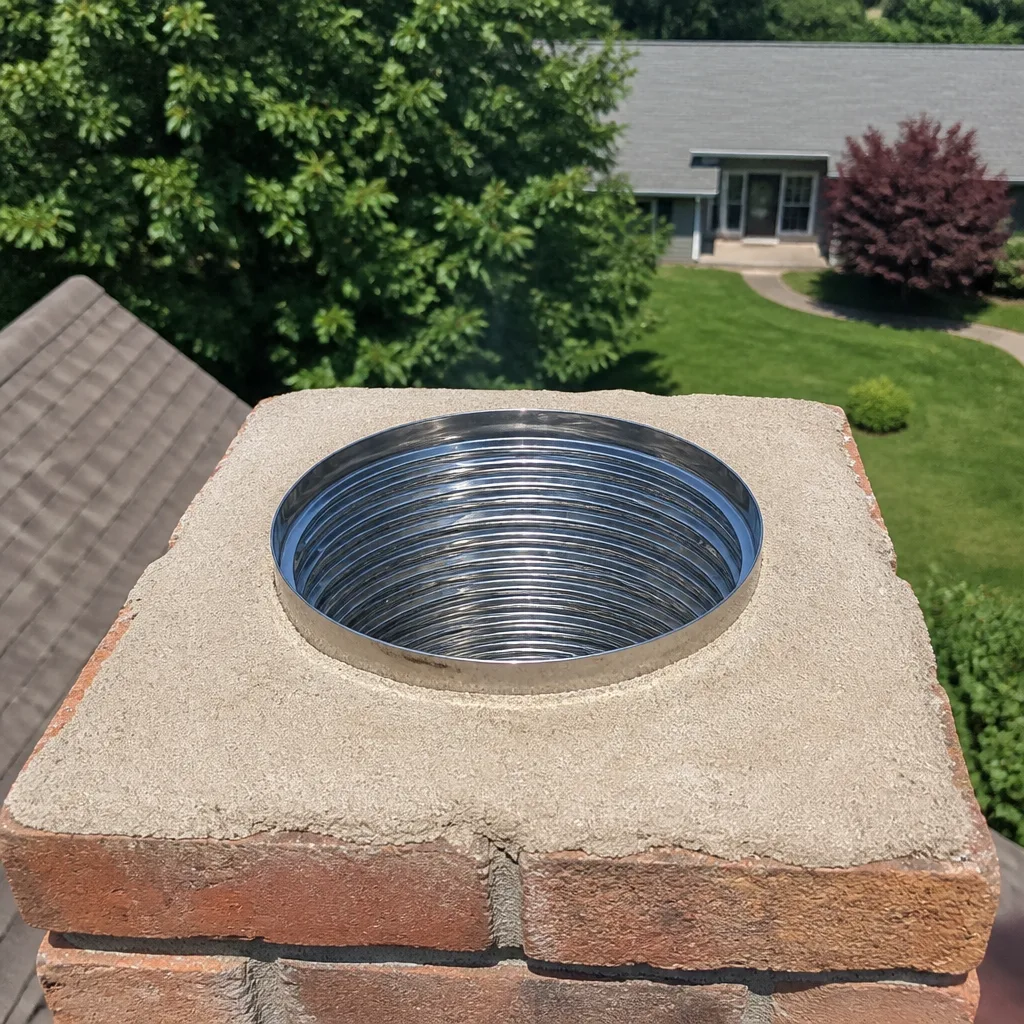 Flue relining
 Masonry repair
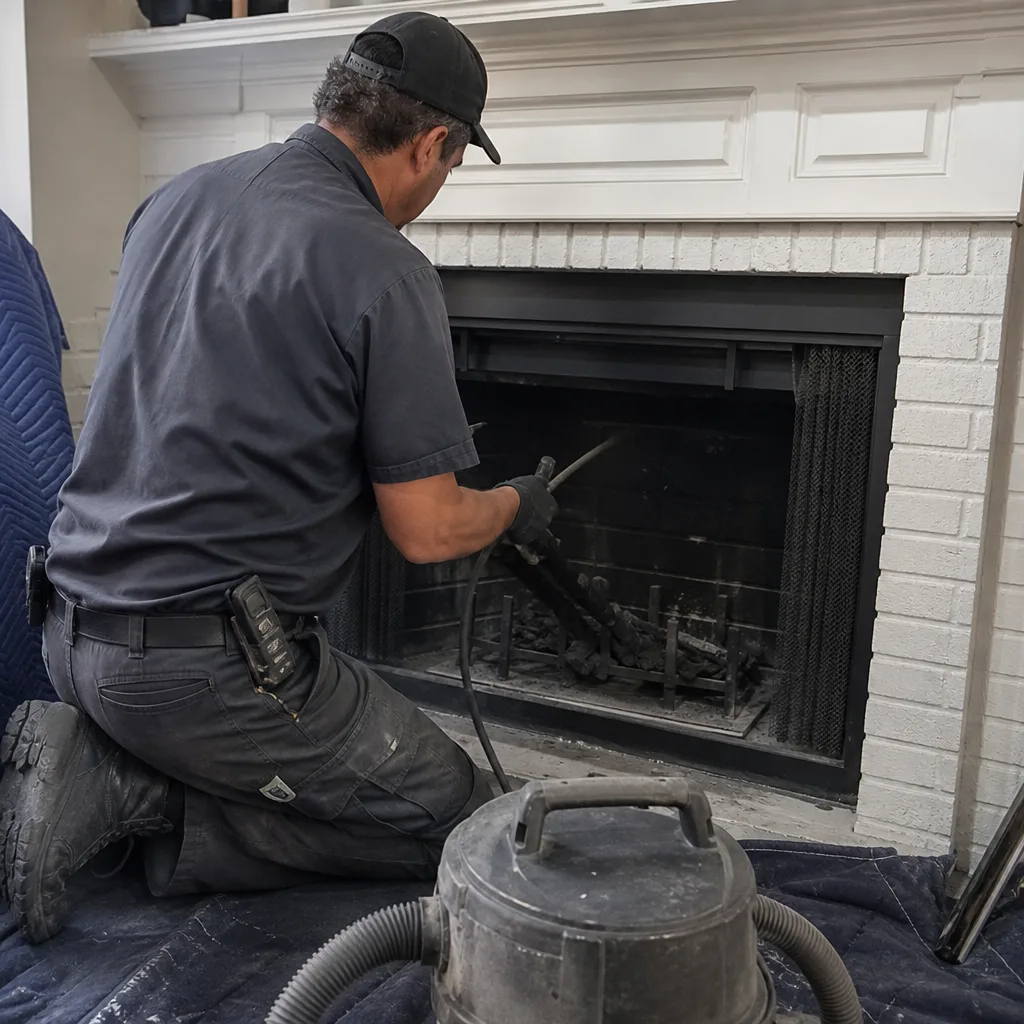
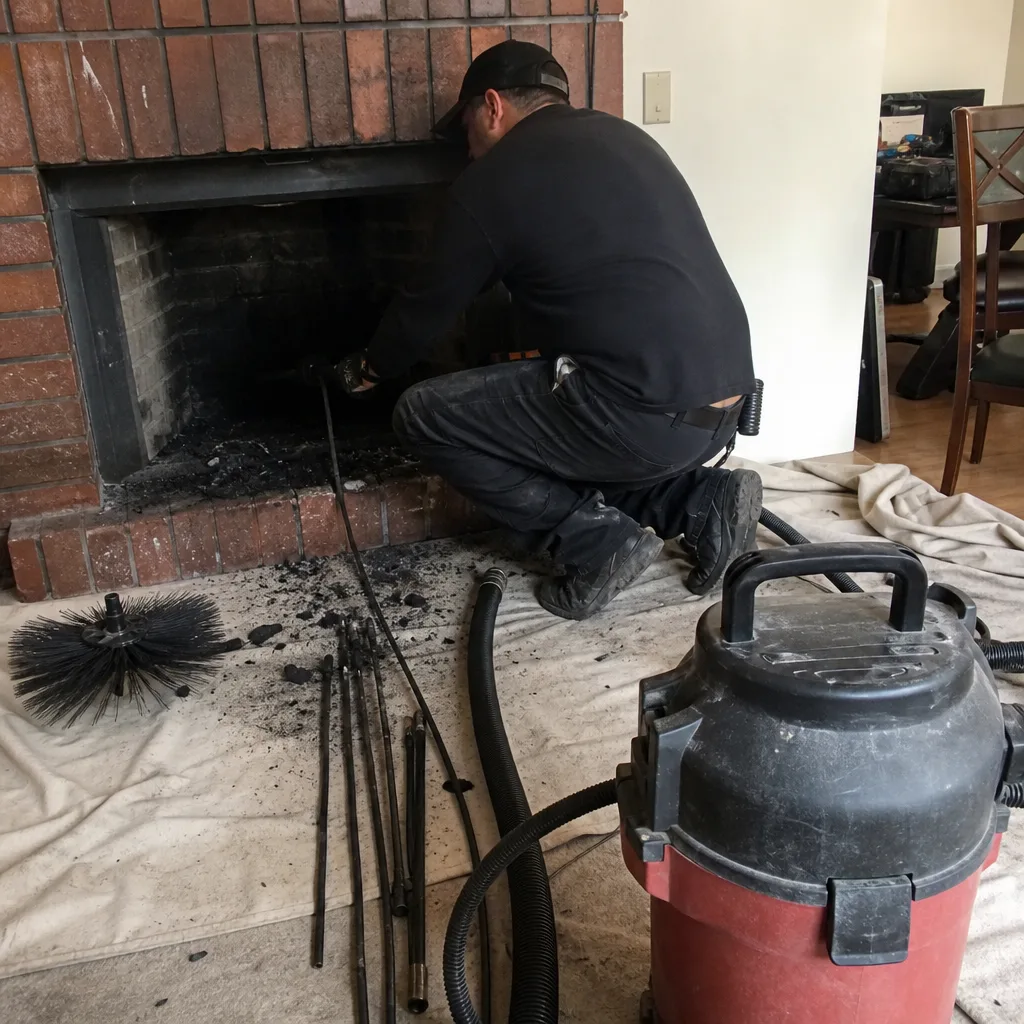
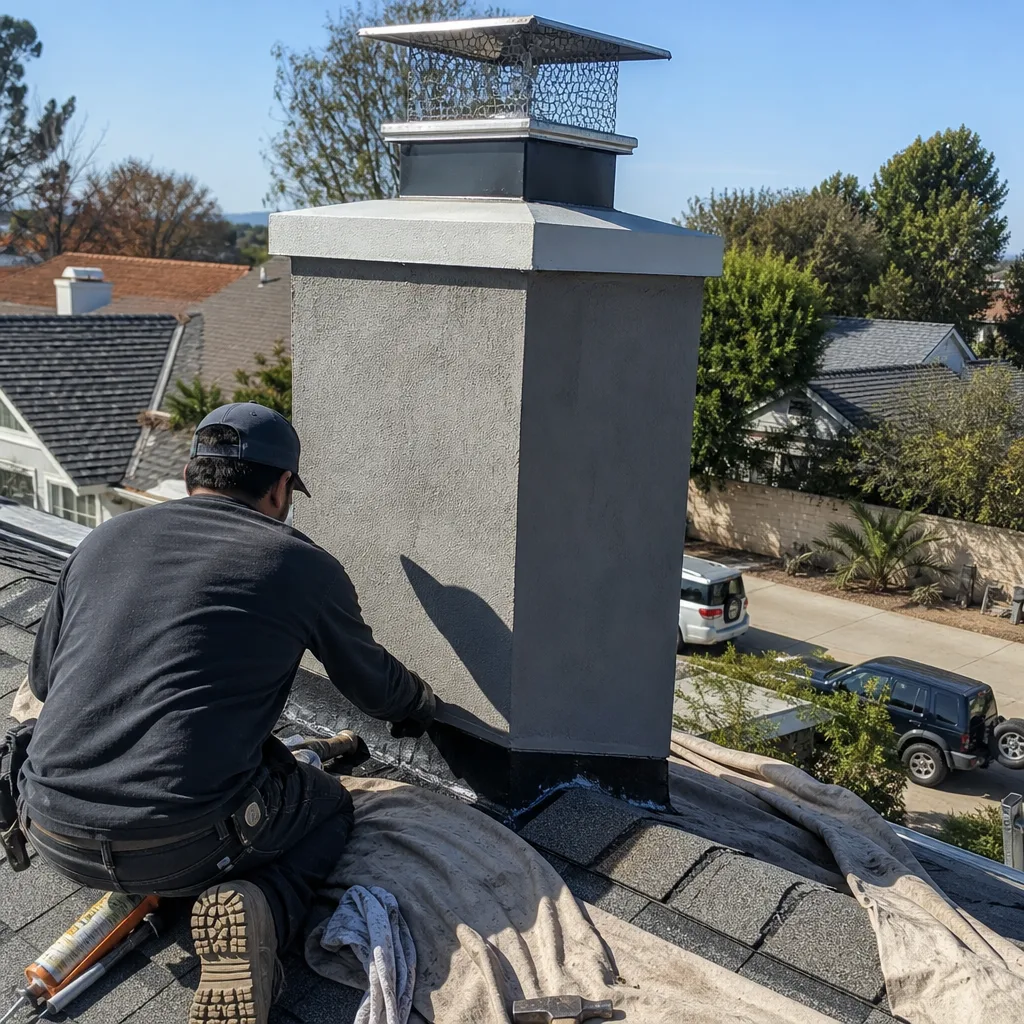
Level 1 sweep and inspection to the NFPA 211 annual standard - flue, crown, cap, and flashing checked and photographed
Chimney sweep logs do not sweep chimneys. They loosen some creosote - which then falls where a brush and vacuum still have to collect it.
Why Vista Homeowners Choose HeatShield Chimney Cleaning
HeatShield in Vista is not a standard sweep. It’s a specialized service for chimneys that already have, or need, the HeatShield ceramic resurfacing system. We work on HeatShield-plated flues, fireboxes, and smoke chambers as an independent service provider, which means we can clean, inspect, and repair your existing HeatShield surface without voiding any warranty, and we can also apply it where the original clay tile has failed. If you own a HeatShield chimney in Vista or you’re considering it for a damaged flue, call (833) 589-9711 and we’ll tell you straight whether resurfacing makes sense or whether a stainless reline is the better call.
We’re not authorized by HeatShield, and we won’t pretend otherwise. What we are is a chimney shop that reads the manufacturer’s published cure schedules, clearance guidance, and thickness tolerances before we ever mix a batch. HeatShield is one of several professional-grade systems we work with, alongside DuraFlex stainless liners and Gelco caps. In Vista’s dry inland climate, where canyon-edge homes bake through Santa Ana summers and see real winter use in the hills, knowing exactly how HeatShield behaves over time matters more than a manufacturer’s badge.
Why Trust Millbrook Chimney Sweep for Your HeatShield Chimney Cleaning?
Javier Aguilar spent years in HVAC and mechanical systems at Palomar College before focusing on chimneys, and that background shapes how we approach HeatShield work. A ceramic liner system is a building component, not a coating you slap on. It has a cure schedule, a minimum thickness, and a substrate preparation standard. Skip any one of those and you get exactly the failures we’re called in to fix later: chalky, lifting plating above the smoke shelf, delamination at tile joints, and bond failure where water leaks behind the coating. We’ve seen all of it on HeatShield chimneys across Vista, from Breeze Hill bungalows to 1980s tract homes in Shadowridge.
What that means for you is simple. We repair what we find, and we find things because we inspect before we quote. On a HeatShield chimney cleaning, our techs check the ceramic surface for spalling, tap for hollow spots, and run a camera through the flue to see what the clay tile behind the coating is actually doing. We use genuine HeatShield ceramic materials and their matching sealants. We don’t substitute generic refractory in the flue because the cure chemistry is the product. And when the substrate behind the plating is cracked or the flue is too far gone, we’ll quote a DuraFlex stainless reline instead of re-plating a failing chimney and charging you twice.
Styles & brands we work with
- Sweep & inspection
- Caps & crowns
- Flue relining
- Masonry repair
- Gas fireplace service
Common HeatShield Chimney Cleaning Problems We Fix in Vista
- Chalky, lifting HeatShield Armor Plating above the smoke shelf. This is the failure we see most on older Vista ranch houses. The ceramic surface was applied thin, or the flue was brought up to temperature too fast before the coating fully cured. Heat cycles pull moisture through the pores, and the surface begins to powder and sheet off. We scrape back to sound tile and re-plate only the section that still has a solid substrate.
- Delamination at clay tile joints where glazed creosote was never removed. HeatShield bonds to the tile surface. If the flue wasn’t cleaned down to bare clay before resurfacing, the coating sits on top of glazed creosote instead of ceramic. The first hot fire causes differential expansion, and the coating lets go at the joints. We see this on flues that were resurfaced without a proper pre-cleaning, then used hard for a few winters.
- Surface erosion in flues serving high-output gas log sets. Gas logs produce water vapor. On a long vertical run, that vapor condenses and pools at the bottom of the flue, where it sits against the HeatShield surface. Over years, the ceramic erodes. This shows up as pitting and roughness at the base of the liner, right above the firebox. It needs inspection, not just a sweep, because the damage is structural.
- Bond failure around the smoke chamber transition. When a crown is cracked or a damper frame is leaking, water runs down behind the HeatShield coating at the smoke chamber transition. The ceramic can’t bond to a wet, moving substrate. The telltale sign is flaking or bubbling right where the flue meets the smoke chamber. We fix the water entry first, then address the coating.
- Clogged or missing spark-arrestor caps on HeatShield-plated flues. In Vista’s canyon-edge neighborhoods, palm fronds and bird nests collect against the cap and block the draft. During Santa Ana wind events, a clogged or missing spark-arrestor on a HeatShield chimney is an ember-intrusion gap. We find this constantly on hillside homes above Buena Creek and around the WUI zones that clip the city’s canyons.
HeatShield Parts & Our Repair-vs-Replace Approach
We stock genuine HeatShield ceramic materials and the matching sealants, because substituting anything else in the flue changes the cure chemistry and the thickness tolerance. That’s the whole product. A generic refractory mix might look the same wet, but it won’t bond or expand at the same rate, and a year later you’re looking at the same flaking failure you paid to fix.
Repair versus replace is not a coin toss with us. We camera the flue and check the clay tile behind the coating. If the substrate is intact and the HeatShield surface is failing only in sections, we scrape, prep, and re-plate those sections. If the clay tile behind the coating is cracked or the flue is too far gone for resurfacing to hold, we say so plainly and quote a DuraFlex stainless reline instead. We’d rather lose a HeatShield job than sell you a re-plate that fails. Call (833) 589-9711 and we’ll walk you through what’s actually going on inside your flue.
Our HeatShield Service Process – Step by Step
- 1
Inspection and diagnosis. We run a camera through the flue and check the HeatShield surface for spalling, hollow spots, and bond failure. We also look at the cap, crown, and damper because water entry is the root of most HeatShield failures in Vista.
- 2
Cleaning and substrate preparation. For re-plating work, we remove all creosote down to bare clay tile. Glazed creosote left behind is the number one reason a HeatShield application delaminates. This step is not skippable.
- 3
Repair or re-plate. We apply genuine HeatShield ceramic materials at the manufacturer’s specified thickness, following the published cure schedule before the chimney is used again. No shortcuts on cure time.
- 4
Cure verification and draft test. After the coating has cured, we test the draft and run a final camera inspection to confirm the surface is sound and the flue is clear.
- 5
Warranty documentation. We document what we did, what we found, and what we recommend next. If the upper run needs a stainless reline down the road, you’ll know it before it becomes an emergency.
See the difference
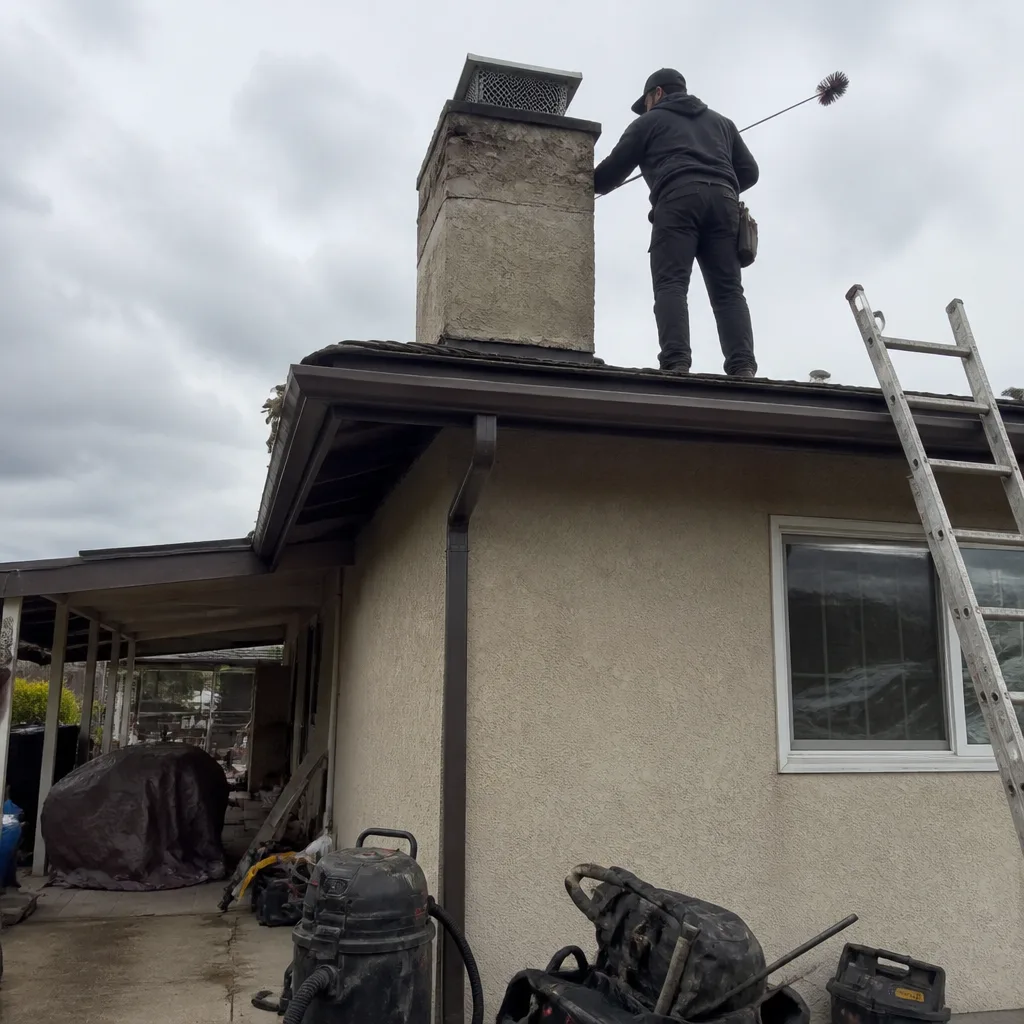 Before
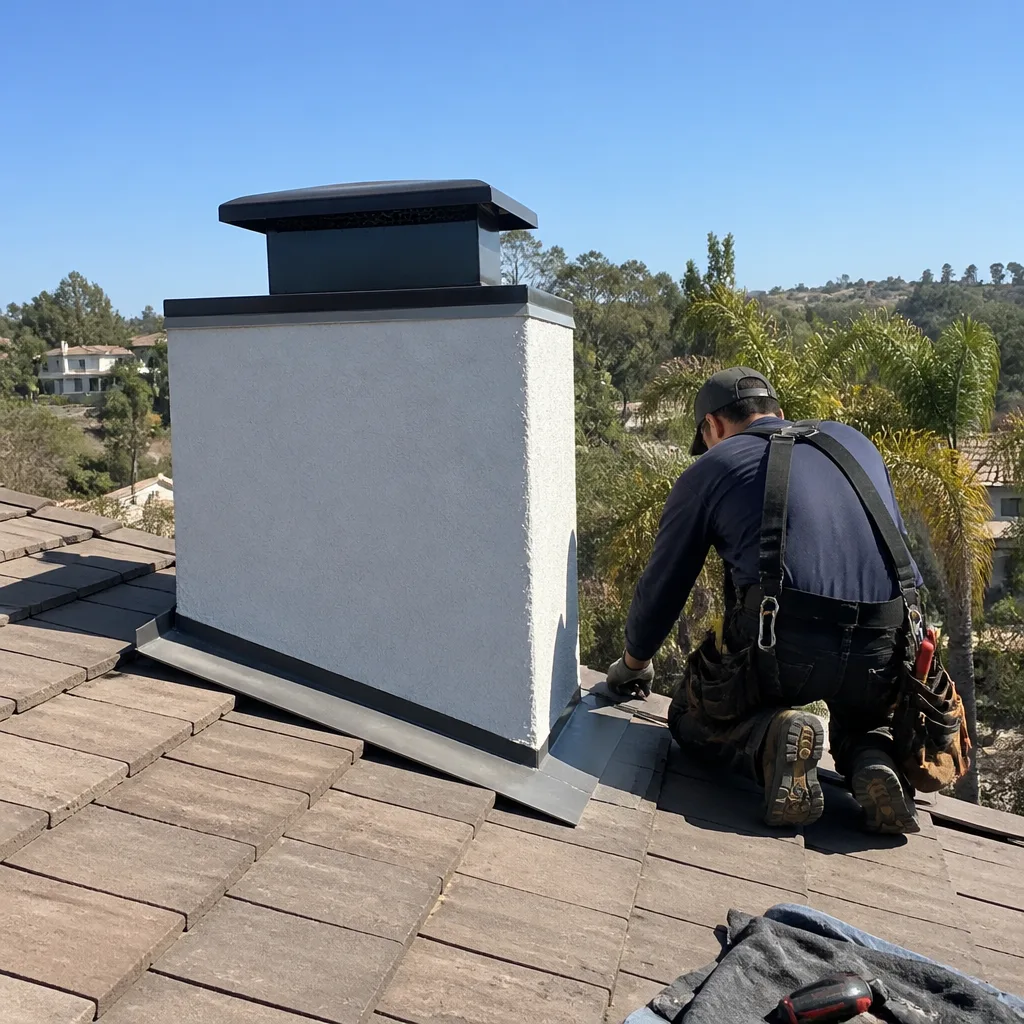 After
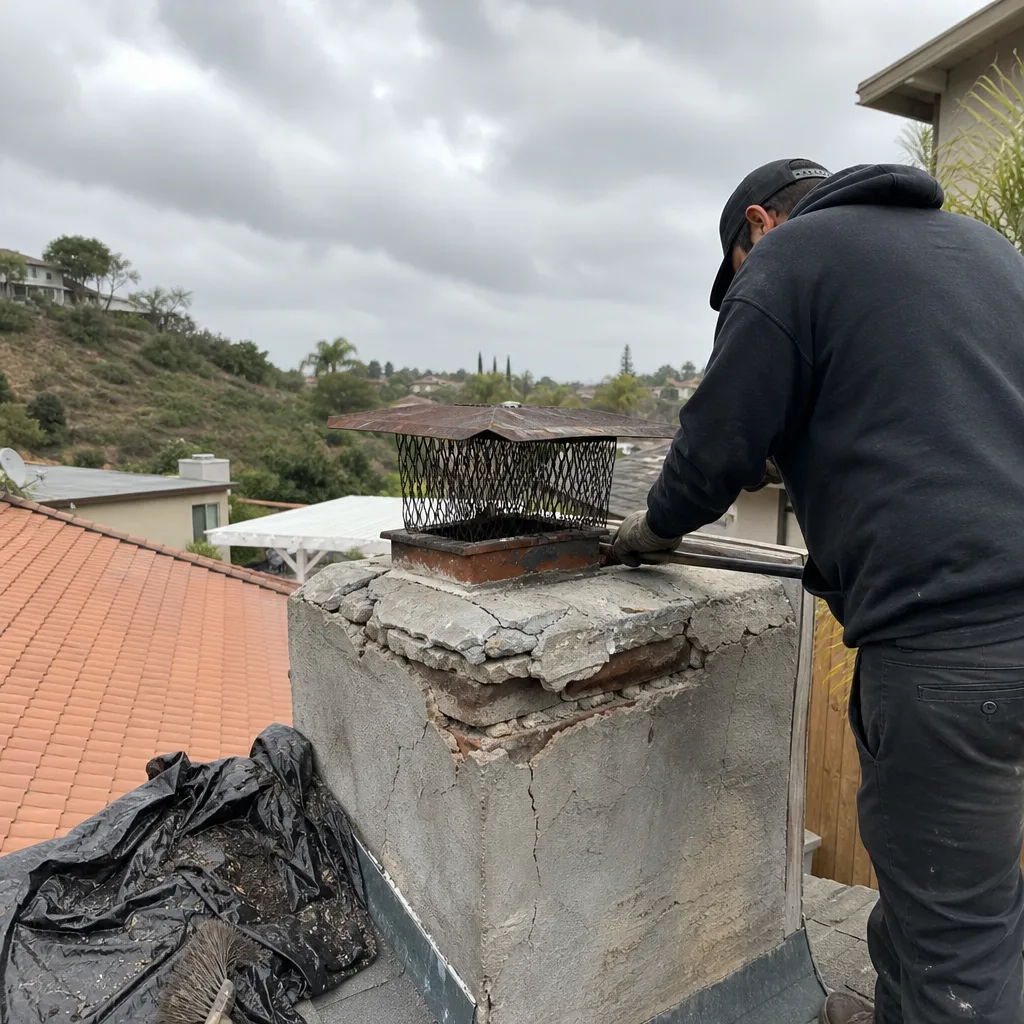 Before
 After
 Before
 After
HeatShield Products We Service & Install in Vista
We work with the full HeatShield product range: HeatShield Armor Plating for damaged fireboxes and smoke chambers, HeatShield Resurfacing Compound for clay tile flues with minor cracking or spalling, and the HeatShield ceramic liner system with stainless substructure for flues that need a full reline without a masonry tear-out. Most Vista homes we service fall into two camps: mid-century ranch houses with original clay tile flues that are candidates for resurfacing, and 1980s – 2000s tract homes with factory-built metal fireplaces that need the stainless substructure approach. We stock the ceramic materials and sealants locally, which means we don’t wait on a distributor to start a repair.
We Also Service These Brands
HeatShield is one tool in the box, not the only one. We install DuraFlex stainless liner systems, the same product chimney engineers specify on commercial and residential projects. And we work with Gelco caps and dampers. If your chimney needs a stainless reline instead of a HeatShield re-plate, we’ll tell you and quote the DuraFlex system. One call, complete chimney care.
FAQs – HeatShield Chimney Cleaning Service in Vista
No. HeatShield armor plating is a ceramic resurfacing system that bonds to the existing flue tile or firebox surface. A chimney reline typically means installing a new stainless steel liner, like DuraFlex, inside the existing flue. Resurfacing works when the underlying tile is sound but the surface is cracked or spalling. A reline is required when the clay tile behind the surface has cracked or the flue structure itself is compromised. We’ll tell you which one applies after the camera inspection.
A properly applied, properly cured HeatShield coating can last 15 to 20 years on a wood-burning flue that’s swept annually. On gas log flues, the lifespan shortens because condensate pools at the base of the run and erodes the ceramic over time. In Vista, we also see faster wear on canyon-edge homes where Santa Ana winds drive debris into the flue and morning marine layer moisture sits on exposed caps. Annual inspection is the only way to catch early erosion before it spreads.
Yes. We camera every flue we sweep, and we specifically check the HeatShield surface for spalling, hollow spots, delamination at tile joints, and erosion at the base. You get a written report with photos. If the coating is failing, you’ll see it on camera before we recommend anything. Call (833) 589-9711 to schedule.
Gas logs produce water vapor as a combustion byproduct. On a long vertical flue run, that vapor condenses and pools at the bottom of the chimney, where it sits against the HeatShield surface. Over years, the ceramic erodes from the bottom up. You’ll see pitting and roughness near the firebox first. The fix is to assess how deep the erosion goes; if the clay tile behind it is still sound, we can re-plate the affected section. If not, it’s a stainless reline.
No, and neither should anyone else. HeatShield bonds to a stable substrate. If the firebox brick is cracked and moving, the ceramic will crack with it. If the damper is failed, combustion air and water vapor move unpredictably through the firebox and shorten the coating’s life. We repair the firebox structure and the damper first, then apply HeatShield to a surface that will actually hold it. Applying it over a moving substrate is a waste of good material.
A standard chimney sweep with camera inspection in Vista typically runs $189 to $289, depending on flue height and access. HeatShield re-plating work is quoted per section after we see the flue, and it’s not a flat price because every chimney fails differently. The honest answer is that you need an inspection before we can price the repair. Call (833) 589-9711 for a free estimate, and we’ll show you the camera footage before we quote anything.
Book Your HeatShield Service in Vista, CA
We clean, inspect, and repair HeatShield repair in Carlsbad and across Vista, from Shadowridge to the Breeze Hill neighborhoods. Call (833) 589-9711 and we’ll schedule your camera inspection and give you a straight answer about your flue. Free estimates, no pressure.
Written by Javier Aguilar, Owner at Millbrook Chimney Sweep, serving Vista and North County since he started sweeping and repairing flues across the neighborhoods he grew up in.