
Last updated November 2, 2026
 Sweep & inspection
 Caps & crowns
 Flue relining
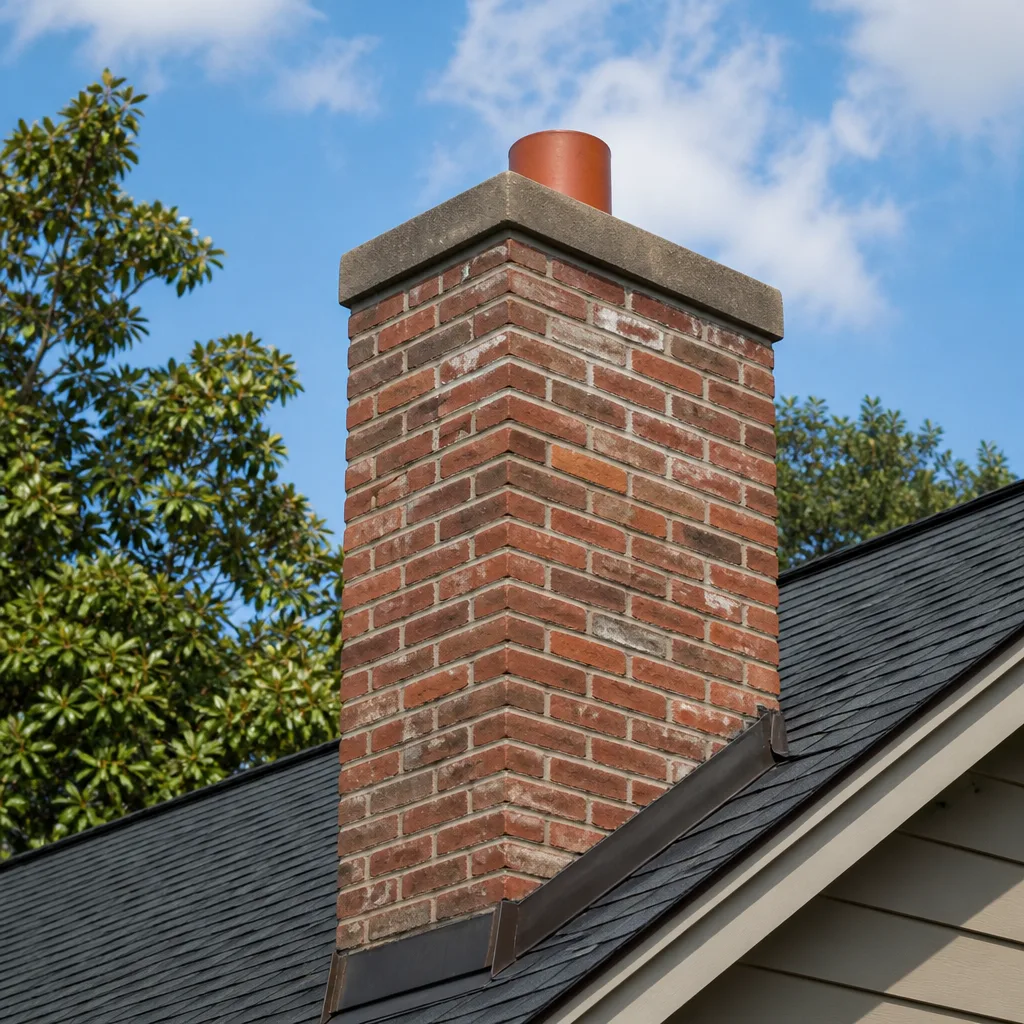 Masonry repair
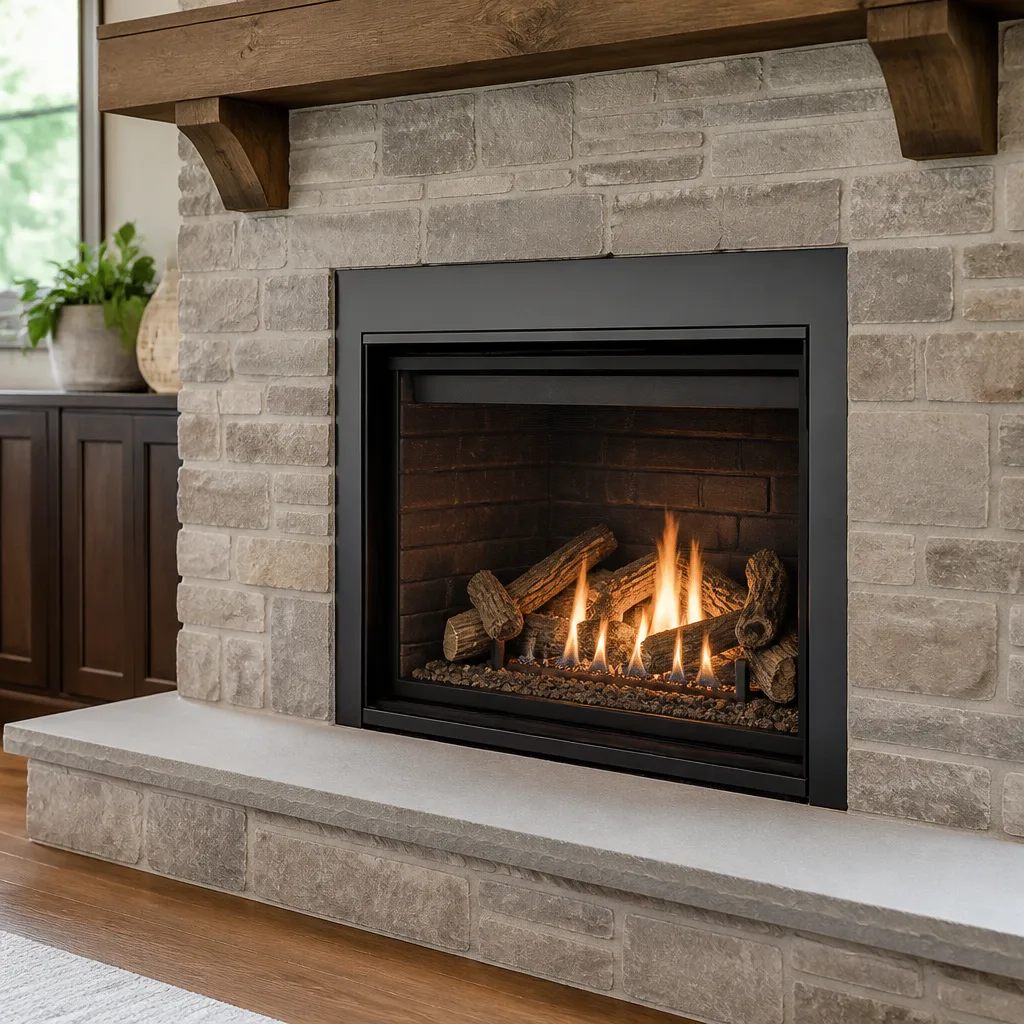 Gas fireplace service
Level 1 sweep and inspection to the NFPA 211 annual standard - flue, crown, cap, and flashing checked and photographed
Chimney sweep logs do not sweep chimneys. They loosen some creosote - which then falls where a brush and vacuum still have to collect it.
Chimney Cleaning Emergency Preparedness Guide for Vista Homes
A chimney fire burns between 2,000°F and 2,500°F. The wood framing around your chimney ignites at roughly 350°F. That gap is why a chimney fire in Vista can turn from a strange roaring sound into a structure fire in under two minutes, and why it can happen on the same October night that red-flag wind conditions are already pushing embers across your neighborhood. This guide walks through what a chimney fire actually looks and sounds like, what to do in the moment, what to do after, and how a clean flue fits into the wildfire readiness routine every North County homeowner already thinks about. We’ll cover inspection records for insurance claims, pre-season checks tied to Santa Ana season, and the specific maintenance steps that make a chimney fire far less likely in the first place.
Quick Answer
Chimney fire preparedness in Vista means three things: keeping the flue clear of creosote through annual sweeping, knowing the immediate warning signs of a chimney fire in progress (a sound like a freight train, dense smoke, or flames visible from the chimney top), and having a documented inspection history so that if a fire event does occur, your insurance claim and repair path are both straightforward. The single highest-leverage action is a professional sweep before burning season, because creosote is the fuel source for nearly every chimney fire, and Vista’s wildfire risk turns a contained flue fire into a neighborhood-level threat during Santa Ana conditions.
Styles & brands we work with
- Sweep & inspection
- Caps & crowns
- Flue relining
- Masonry repair
- Gas fireplace service
Table of Contents
- How to Recognize a Chimney Fire in Progress
- Immediate Steps Before the Fire Department Arrives
- After the Fire: Mandatory Inspection Before Further Use
- Why Clean Flues Matter More in Vista’s Fire Season
- Building a Maintenance Record That Supports an Insurance Claim
- Fitting Chimney Checks Into a Vista Wildfire Readiness Routine
- Preventive Maintenance: What a Professional Sweep Actually Involves
How to Recognize a Chimney Fire in Progress
A chimney fire does not start quietly, and it does not look like a normal fire in the fireplace. You will hear it first in most cases: a low rumble that builds into something homeowners consistently compare to a low-flying plane or a freight train passing directly overhead. That sound is the creosote and soot inside the flue burning rapidly, drawing air upward through the chimney at a violent rate. In a Vista home built into the hills around Buena Creek or Shadowridge, that sound can echo oddly against the terrain and make it hard to locate at first. Listen for the source, not the volume.
Visually, you’re looking for two things at once: dense, dark smoke pushing from the chimney top, and flames or glowing material visible above the chimney cap. If you can see from outside, a chimney fire often produces a continuous jet of orange flame from the flue opening, sometimes with burning creosote debris landing on the roof or surrounding vegetation. In Vista’s dry fall conditions, that debris is the real emergency multiplier: glowing creosote embers landing on a shake roof or dry brush is a structure and wildland hazard simultaneously.
Inside the house, you may also notice intense heat radiating from the fireplace or chimney chase, even through a closed glass door. The masonry itself can become too hot to touch. If you have an older masonry chimney in the Vista core or along Eucalyptus Avenue, hairline cracks in the structure can widen rapidly under that heat load and allow flame to reach adjoining wall framing. That is the failure sequence behind many chimney-related structure fires, and it is why the response needs to be immediate, not observational.
Immediate Steps Before the Fire Department Arrives
As soon as you suspect a chimney fire, your first call is to 911. Do not wait to confirm visually or check the attic first. A chimney fire is a structural fire event until proven otherwise, and in Vista’s wildland-urban interface zones, county and city units stage for exactly these calls during red-flag days. Tell the dispatcher you have a possible chimney fire, your address, and whether anyone is inside the home.
Then, if it is safe to do so, complete these steps in order:
- Close the damper and glass doors fully. This cuts the fire’s oxygen supply as much as possible. Never open the fireplace door once a fire is suspected in the flue.
- Move everyone, including pets, outside. Do not stop to gather belongings. Chimney fire spread into wall framing can happen before smoke is visible in rooms.
- Close windows and doors on your way out. Slowing air exchange gives firefighters a meaningful head start and reduces draft into the flue.
- If you have a garden hose and conditions allow, wet the roof areas adjacent to the chimney. This is secondary to evacuation, but in Vista’s flat-irrigation lots it can slow ember ignition on roofing materials. Only do this from ground level, never from a ladder.
- Meet firefighters and tell them it is a chimney fire. Be specific. They respond differently to a flue fire than a general smoke investigation, and your call changes their entry and suppression approach.
One note from our own service work: do not attempt to use a chimney fire extinguisher product sold for household use once a fire is already roaring. These sticks and pouches are designed for small active fireplace fires, not an established chimney fire. In our experience, they create a false sense of control that costs time. Evacuation and professional suppression are the correct response.
After the Fire: Mandatory Inspection Before Further Use
The most dangerous assumption a homeowner makes after a chimney fire is that everything looks fine from the outside. A chimney fire can damage the flue interior significantly while leaving the exterior brick or stone barely marked. The flue lining, whether clay tile or stainless steel, expands and contracts at temperatures that crack tiles, separate joints, and warp liners. A cracked flue that looks “okay” from a distance is a direct passage for heat and combustion gases into wall cavities on the next burn.
This is where a professional inspection becomes non-negotiable. In Vista, a Chimney Repair in Vista assessment after any fire event follows the same sequence: a level 2 inspection, typically with a camera run through the full flue length, is the minimum standard. The technician looks for cracked or spalled clay tiles, gaps in mortar joints, warped or separated stainless liner sections, and any sign that the fire breached the flue into adjacent framing. In our experience with older Vista chimneys, especially those built before current seismic and fire code requirements in the area, the damage from a single chimney fire is rarely cosmetic.
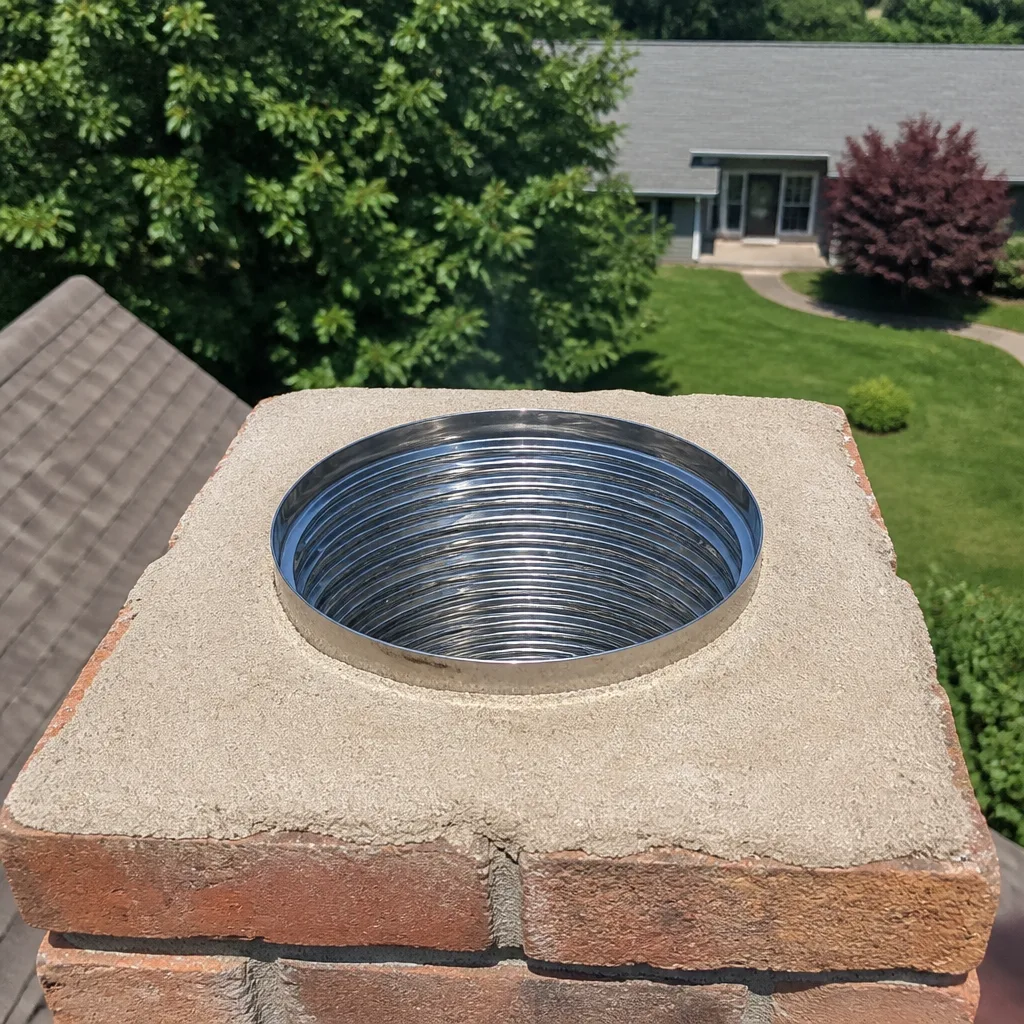
If the system uses a factory-built metal chimney, the inspection also covers the chase, attic pass-throughs, and clearances to combustibles. A chimney fire in a prefabricated system can compromise the metal’s structural integrity even if the exterior looks fine. If any doubt exists about reuse, we recommend lining with a DuraFlex stainless-steel liner system as a permanent repair. The material is specified by chimney engineers for exactly this failure mode, and it gives you a sealed, insulated path for future burns.
Do not light another fire until an inspector clears the system in writing. Your insurance carrier will also expect this documentation; a fire that occurs in a chimney that was not inspected after a previous event is an uphill claims process.
Why Clean Flues Matter More in Vista’s Fire Season
Vista sits in a high fire-risk zone, which changes the arithmetic of chimney maintenance. A chimney fire is never a contained event if it occurs during red-flag conditions. Everything about the local environment during Santa Ana season, from single-digit humidity to 40-to-60-mile-per-hour gusts, is designed to spread fire quickly, and the embers of a chimney fire are no different. But the fire starts with one thing: creosote.
Creosote is the condensed byproduct of wood smoke, and it coats the inside of a flue every time you burn, particularly in the first hours of a fire when the flue is still cold. In a cool coastal-influenced climate like Vista’s, where evenings dip quickly and fires are built against the chill, that condensation cycle repeats night after night. Three stages of creosote exist: a soft, sooty first-stage coating, a thicker and more difficult flaky second stage, and a hardened, glassy third stage that resists brushing and requires rotary cleaning methods.
The fire risk threshold is well established: creosote accumulation above ⅛ inch is a code-defined fire hazard. The industry standard for professional sweeping is to remove it before it reaches that point, which is why the National Fire Protection Association recommends chimneys serving wood-burning appliances be swept at minimum once per year, and more often for heavy use.
In Vista, this is not theoretical. We’ve serviced chimneys in neighborhoods from Brengle Terrace to Shadowridge and found third-stage creosote in systems that looked clean from the firebox opening. The risk is invisible from the living room. A professional sweep removes the fuel source that makes a chimney fire possible, and a clean flue resists the violent draft patterns that burn out of control during Santa Ana conditions. The higher the wind, the more the chimney pulls, and the more air feeds any ember inside.
Our Chimney Sweep in Vista service includes a full creosote removal pass sized to your flue, not a one-size-fits-all brush. That matters because flues in older Vista homes vary widely in diameter and condition, and a brush that is too small for the flue leaves creosote in the corners. A sweep should be verified with a camera check, not assumed.
Building a Maintenance Record That Supports an Insurance Claim
Insurance claims after chimney fires come down to evidence. The carrier needs to see that you maintained the system, which shifts the cause toward an unforeseen event rather than neglect. A homeowner with a continuous maintenance record stands in a far better position than one who skipped sweeps for a decade and then filed a fire-damage claim. In Vista specifically, where insurers have tightened underwriting in wildfire-adjacent ZIP codes, that record can also keep your policy competitive at renewal time.
What should a maintenance record contain? At minimum:
- Inspection and sweep reports from each professional service, with the service date, the condition of the flue at the time, any creosote measurements or stage classifications, and any recommendations made in writing.
- Repair invoices for any flue repair, cap installation, liner work, or firebox restoration. Keep the brand and part name in the invoice when possible. A Gelco chimney cap or a Famco venting component on an invoice is evidence of specific material quality, not just a generic fix.
- Photos of the chimney at least once a year, including the cap, the flue opening, and the firebox. Time-stamped photos of a clean flue are hard evidence that maintenance was performed.
- Records of any level 2 inspection performed after a chimney fire, a lightning strike, or a seismic event, even if the system was cleared. The fact that you inspected is the point.
We recommend a simple binder or a digital folder, depending on how you file. The habit matters more than the format. A homeowner who can produce three consecutive sweep reports is building a defense that holds up in claim review. A homeowner who cannot produce one is asking an adjuster to make a judgment call, and adjusters are not in business to give you the benefit of the doubt. If your inspection history has gaps, book a Millbrook Chimney Sweep home service before the season and start the record now. A clean, documented system is the best position from which to weather any event.
Fitting Chimney Checks Into a Vista Wildfire Readiness Routine
Vista homeowners already think about wildfire readiness in structured terms: defensible space clearance, ember-proofing vents, roof cleaning, and evacuation routes. What most miss is that the chimney is a vertical ember pathway and a potential ignition chamber, and it belongs on the same checklist as those other items. The logic is simple: your chimney vents to the exterior through the roof, and during ember storms, that opening is a direct line to the combustible interior of your home if the flue is not clean and the cap is missing or damaged.
A pre-season chimney check should happen before the first Santa Ana event of the year, not after. We recommend early October for Vista, when evening temperatures begin to drop but before the driest winds arrive. The check should include:
- Sweep and inspect the flue. Remove any accumulated creosote, confirm the flue lining is intact, and verify the smoke path is unimpeded. A clean flue means an ember entering from the top has less fuel to combine with.
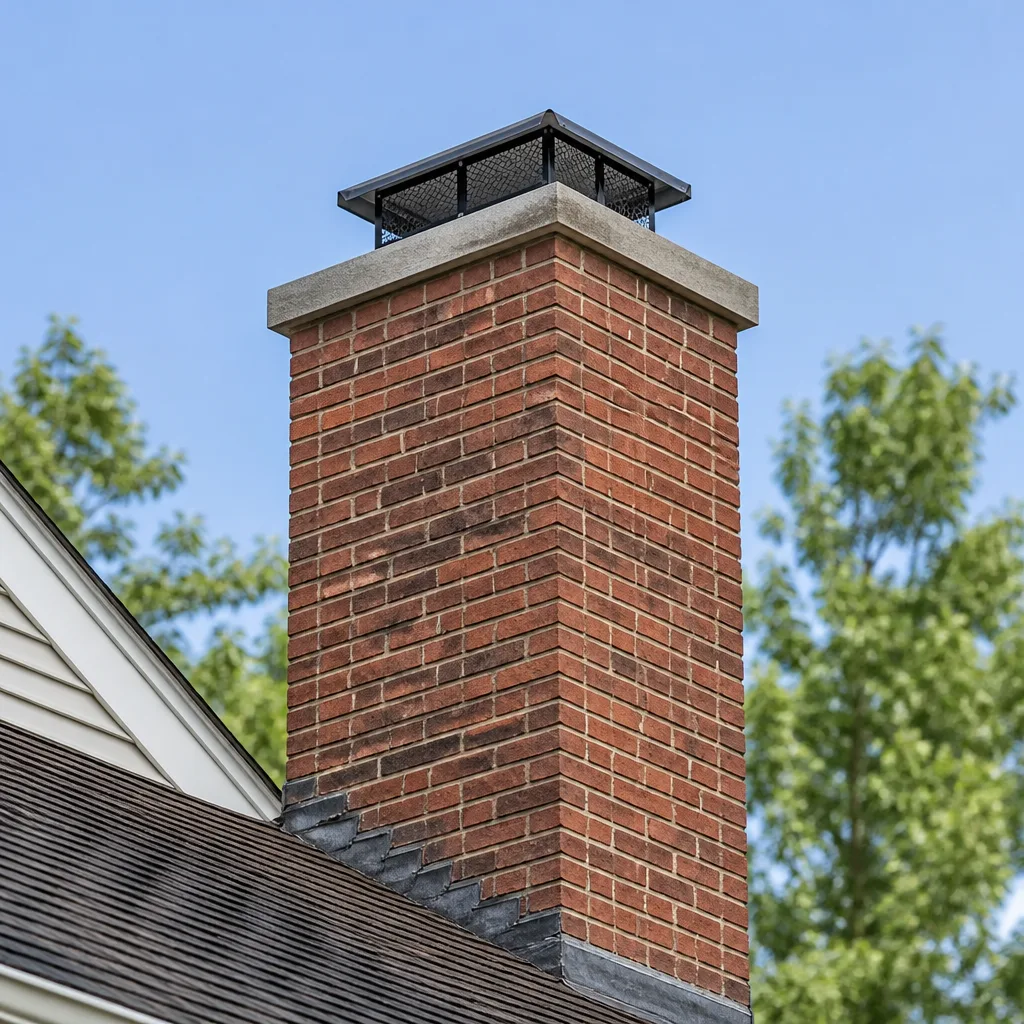
- Inspect the chimney cap. A Gelco cap with a spark-arrestor screen does double duty in Vista: it keeps burning embers from entering the flue during fire weather and it keeps debris that would feed a future fire from accumulating inside.
- Verify the damper seals correctly. A damper that does not close fully allows warm interior air to feed upward drafts and provides an oxygen supply to any ember that finds its way in.
- Check the roof-chimney intersection. Missing flashing or degraded seals allow embers to work under roofing material. This is a simple visual inspection from ground level, or a roof inspection during the sweep visit.
- Review your evacuation plan. Know which route you will take and how you will confine pets. A chimney check is not a substitute for evacuation readiness, but a clean and capped chimney is one less thing to fail during an evacuation window.
This routine folds into the same mindset as clearing gutters and moving firewood away from the house. In Vista’s hillside neighborhoods, especially south of Highway 78 where neighborhoods back up to open space, the chimney is not an afterthought. It is a penetration point in your structure’s ember defense. Treat it accordingly.
Preventive Maintenance: What a Professional Sweep Actually Involves
A professional chimney sweep is not a symbolic pass with a brush. In our work across Vista, we follow the standard protocol that certified chimney professionals nationwide use, and the specifics matter because they determine whether the sweep actually protects your home or just makes the firebox look tidy.
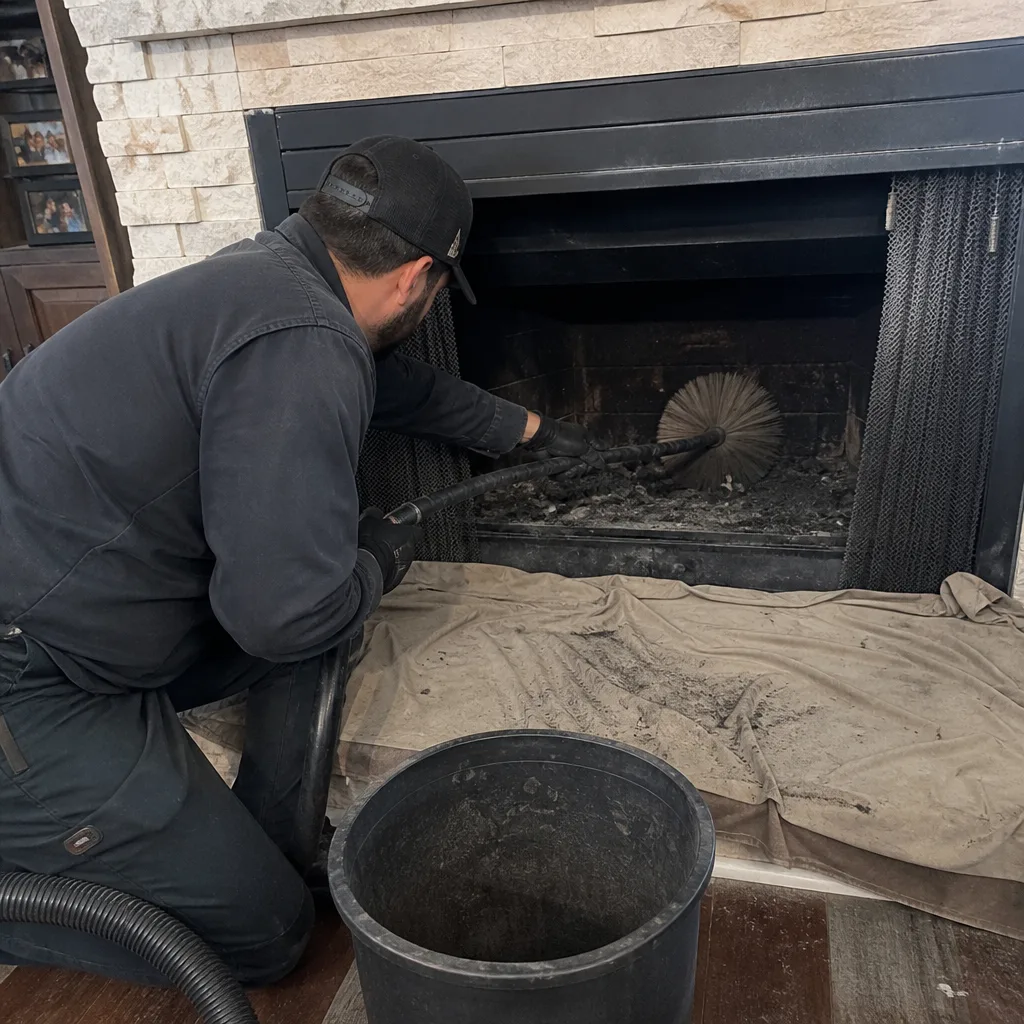
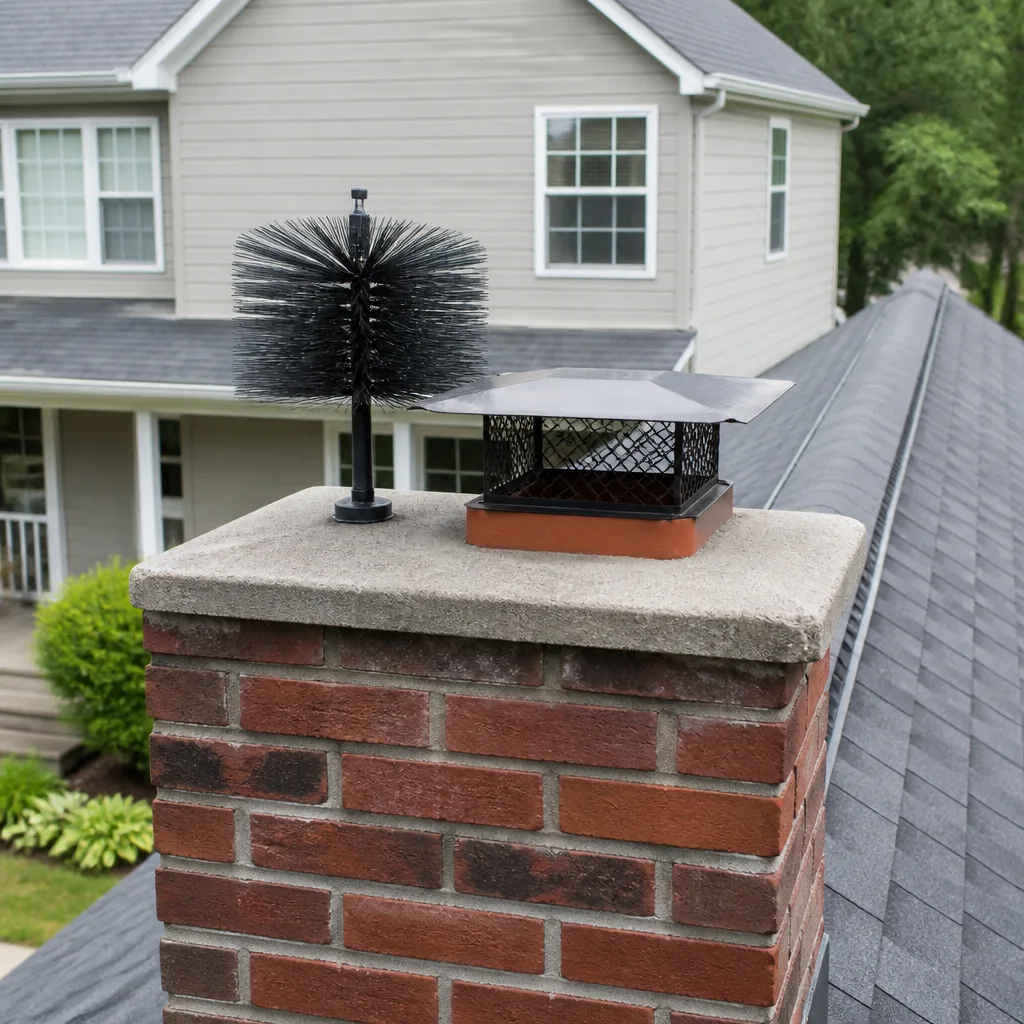
A standard sweep begins with a full inspection: the firebox, damper, flue, and exterior chimney structure. The technician looks for creosote accumulation, flue cracks, moisture intrusion, animal nests, and any blockage. Then the sweeping itself uses brushes sized to your flue diameter. Third-stage creosote in the hardened, glassy form resists standard wire brushing and requires rotary cleaning with flexible rods. That level of cleaning removes fuel that would otherwise remain in place and burn during the next fire.
The sweep also includes the components you may not think about: the smoke chamber above the damper, the smoke shelf, and the connection point between the appliance and the flue. Those areas collect creosote and debris, and missing them is a false clean. Once the sweep is complete, the technician should run a camera through the flue to verify removal and inspect for damage that brushing alone cannot reveal.
If the inspection reveals flue cracks or a damaged liner, the repair is not a separate engagement. Millbrook performs Chimney Repair in Vista with DuraFlex stainless-steel liner systems and HeatShield restoration for fireboxes and flue tiles, which means the sweep and the repair happen under one roof and one continuity of documentation. That is the difference between a sweep-only company and a full-service chimney specialist. If the flue is damaged, the cleaning is incomplete until the repair is done.
For gas fireplaces, the maintenance rhythm is different but not optional. Gas burns cleaner than wood and produces less creosote, but gas systems still accumulate soot, corrode over time, and rely on components that need inspection. In coastal-influenced Vista humidity, metal venting components degrade faster than in drier inland areas, and a brand like Olympia Chimney or Famco offers venting components that hold up better under those conditions. Gas users still need an annual check, and the inspection should confirm the venting path is clear and the termination cap is intact.
Common Mistakes to Avoid
- Using a chimney after a suspected fire without inspection. The visible signs are not the full story. A flue can be cracked, warped, or breached in places you cannot see from the ground, and the next burn could be the one that reaches framing. Inspection first, fire later.
- Skipping the chimney cap. In Vista’s fire season, an uncapped flue is an open door for wind-driven embers and a collection point for leaves, nests, and debris that feed future chimney fires. A Gelco cap with spark-arrestor screen is the baseline.
- Burning unseasoned wood. Green wood burns cool and produces heavy creosote. Seasoned hardwood burns hotter and cleaner. In Vista, wood should be split and dried for at least six months before burning.
- Neglecting the damper after the season. A damper left open all summer lets attic heat escape and creates a draft that pulls in moisture, which accelerates flue damage. Close it when not in use.
- Treating a dryer vent as a separate problem. Dryer vents are the leading appliance-related house fire source per NFPA data, and in Vista’s wildfire environment, any interior fire is a compounding risk. Dryer Vent Cleaning in Vista belongs in the same maintenance calendar as your chimney sweep.
- Assuming a cheap sweep is the same as a thorough one. A sweep that does not include a camera check, does not address the smoke chamber, and does not document the condition of the flue is a partial service at best. You are paying for a false sense of completion.
- Waiting for red-flag days to think about the chimney. Santa Ana season is the worst possible time to discover your flue is damaged. Pre-season checks in October mean you are ready when the winds arrive, not scrambling while they blow.
See the difference
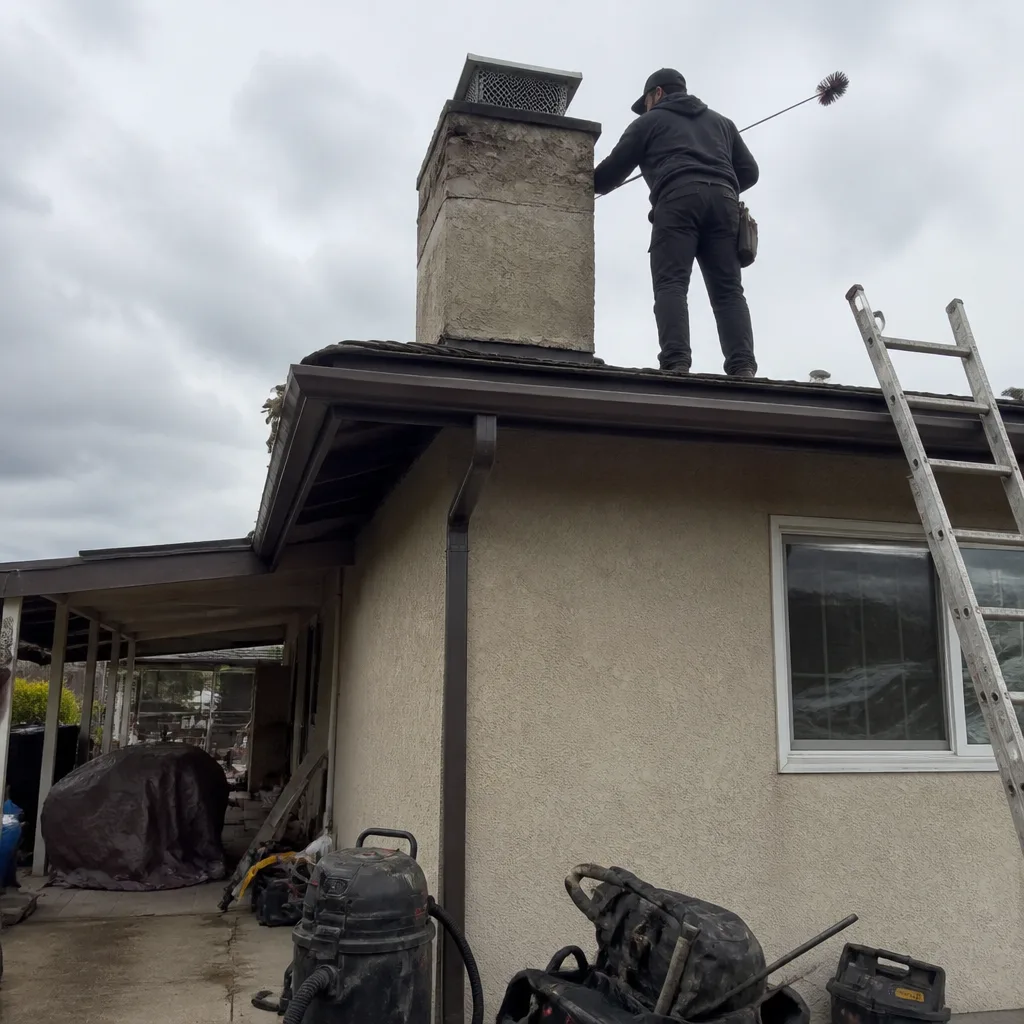 Before
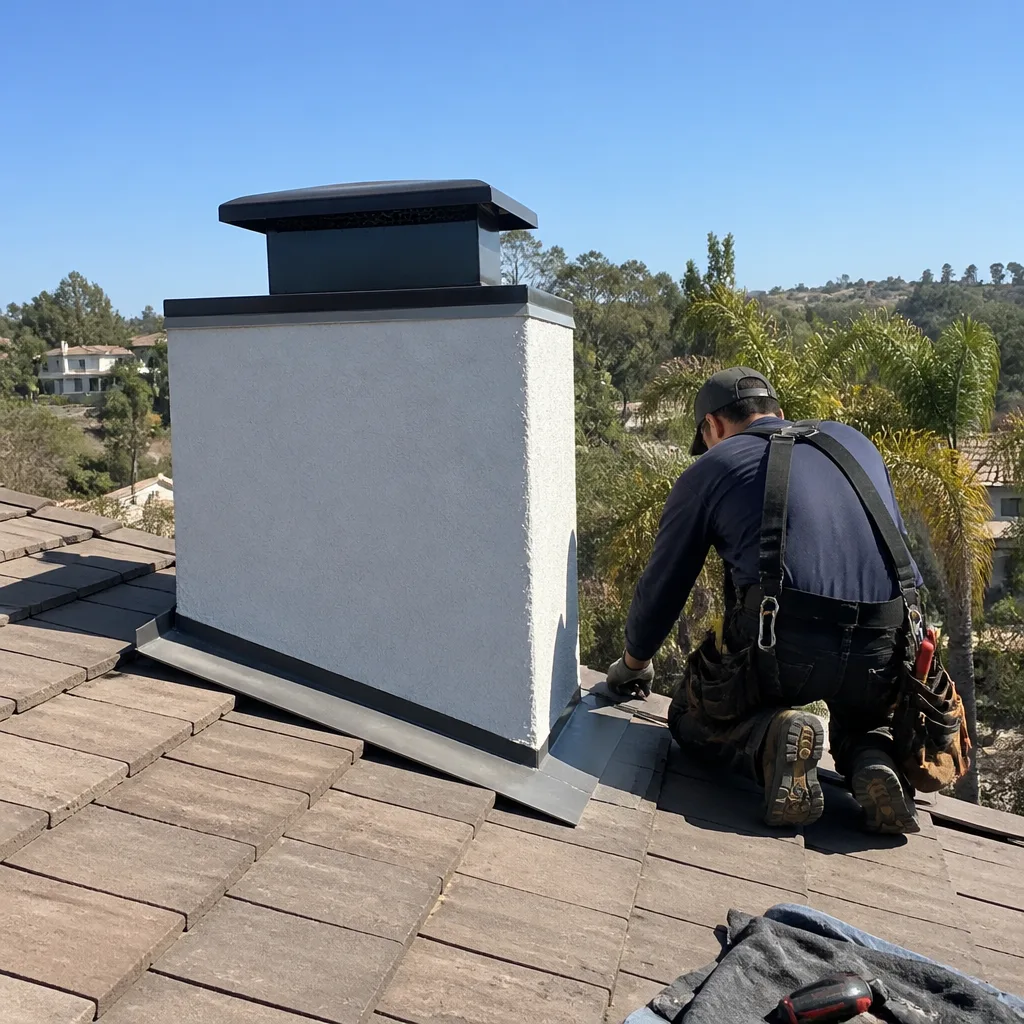 After
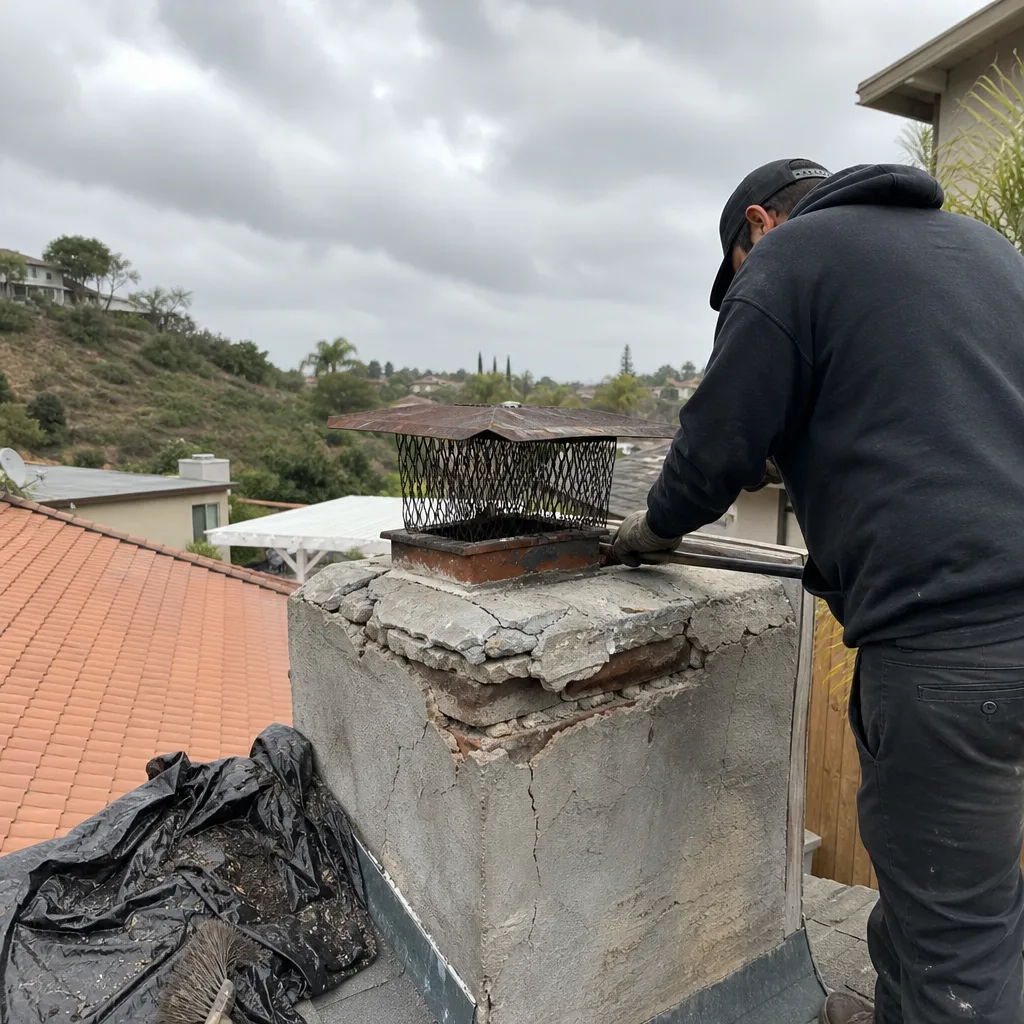 Before
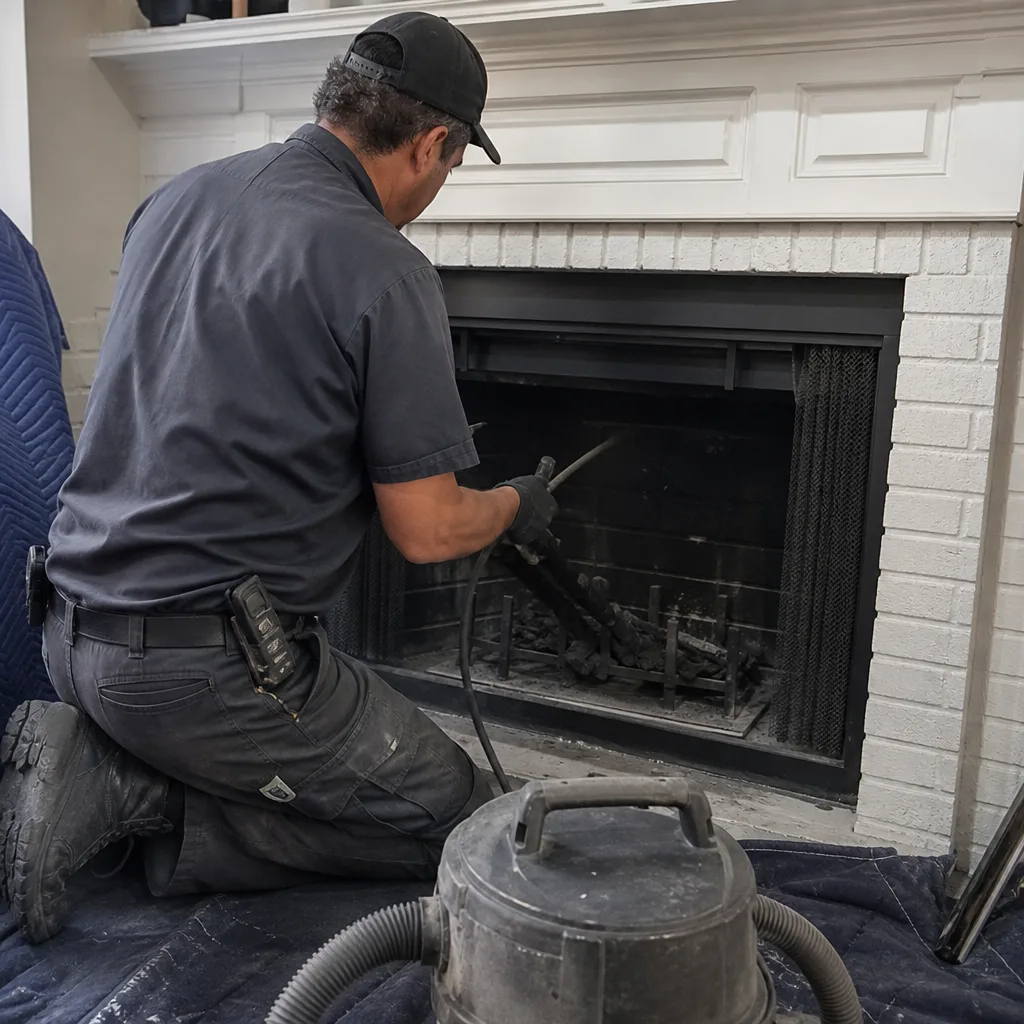 After
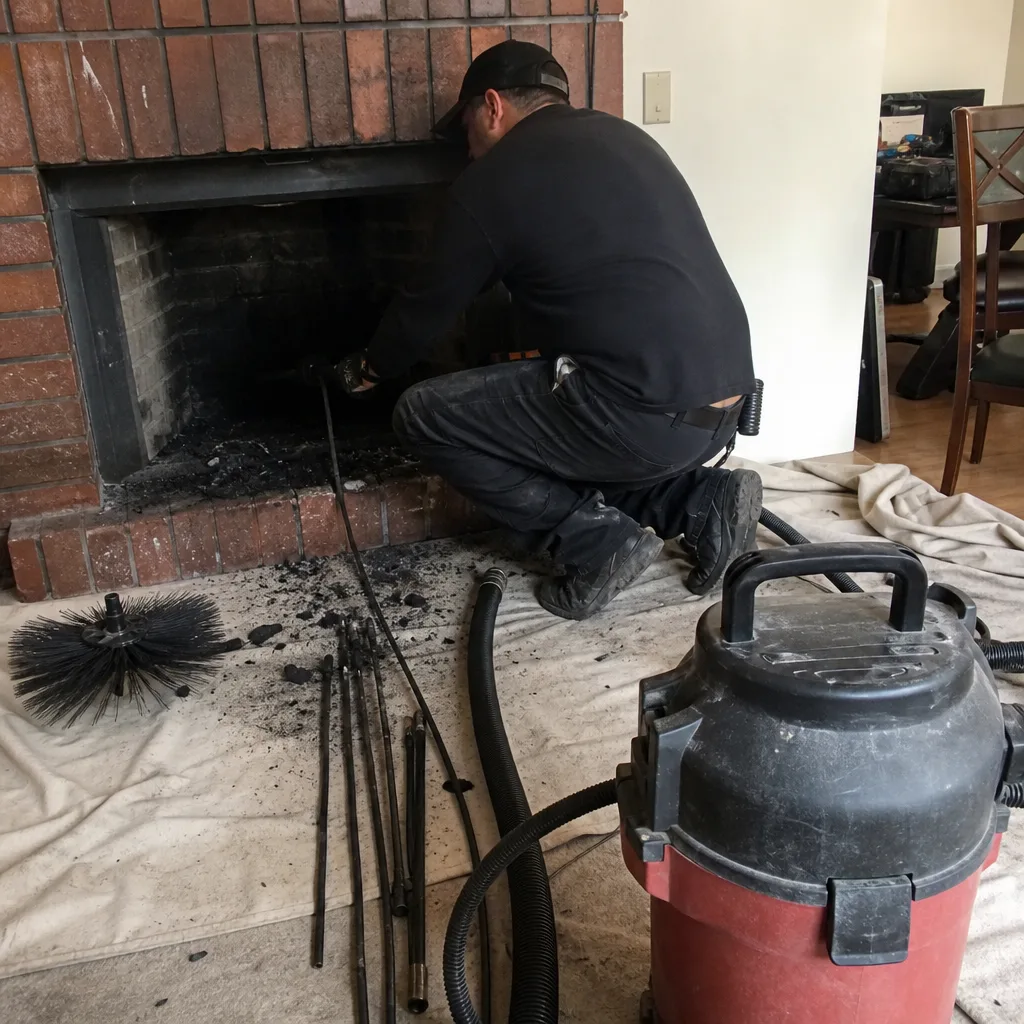 Before
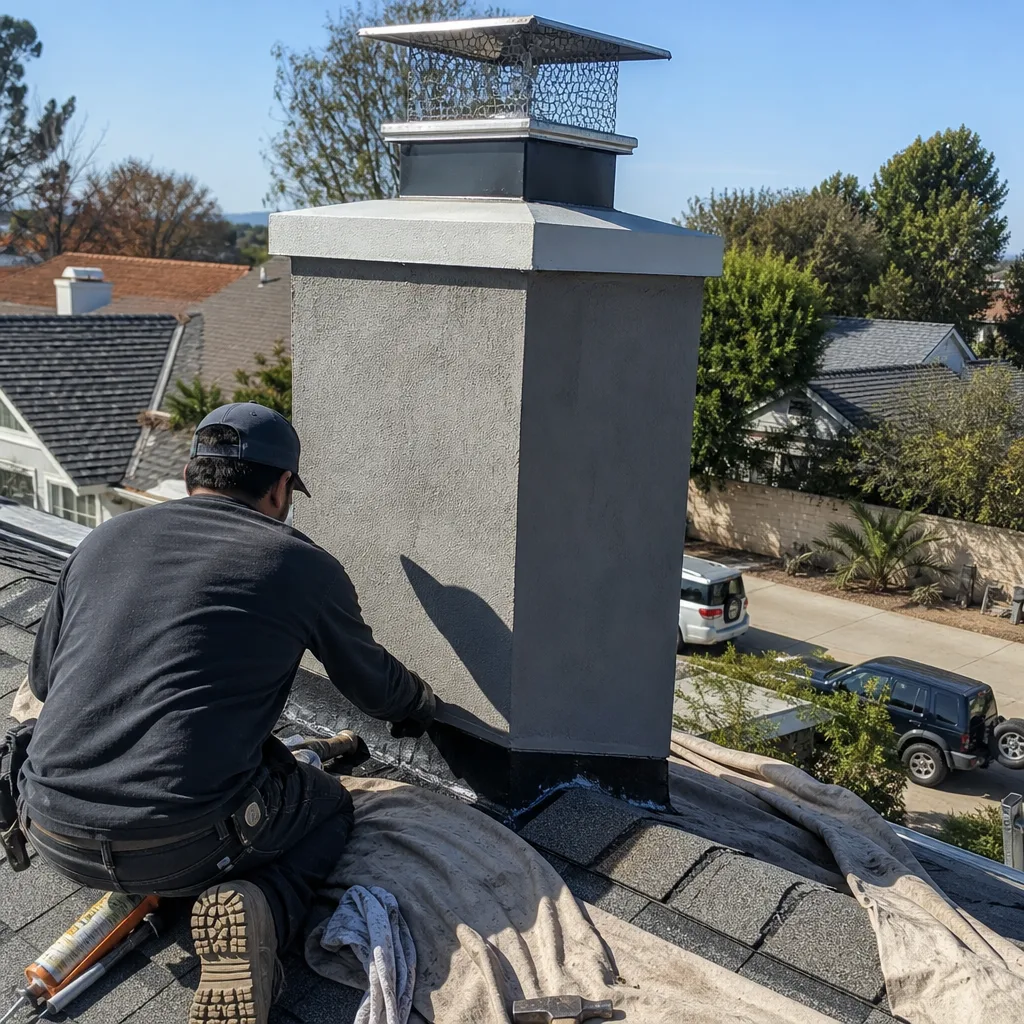 After
When to Call a Professional
Call a chimney professional if you have not had a sweep in over a year and you burn regularly, if you notice any smoke backing up into the room, if you see creosote buildup you can scrape with a poker, if your chimney cap is missing or damaged, or if you have experienced any chimney fire event including one that seemed minor. For Chimney Cleaning Permits, Codes & Inspections in CA: What You Need to Know, a certified sweep can also advise on local requirements. Mills and rental brushes from hardware stores cannot reach the critical zones, and the heat and smoke you cannot see are the risk you are assessing. Millbrook Chimney Sweep offers free estimates in Vista, call (833) 589-9711. We inspect, we sweep, and we repair what we find, using materials like DuraFlex, HeatShield, and Gelco, so one call covers the full safety picture.
Frequently Asked Questions
Chimney sweeps in Vista typically range from $150 to $300 depending on flue condition, creosote stage, and whether the system is wood-burning or gas. Third-stage creosote removal or heavily built-up systems run higher because they require rotary cleaning methods. Call (833) 589-9711 for an exact quote; estimates are free and we’ll check the full system, not just sweep the firebox.
A wood-burning chimney serving a fireplace used regularly should be swept at least once a year per NFPA guidelines, and twice a year if you burn daily or burn heavily during fall and winter. Vista’s evening temperature swings mean many homeowners use fireplaces more than they think. If you cannot remember the last sweep, schedule one now.
Do not use the fireplace again until a certified chimney professional has performed a level 2 inspection, which includes a camera run through the full flue. The inspection looks for cracks, warping, and any breach that could let heat into wall cavities. Even if the house looks fine, the system must be cleared in writing before burning resumes.
Yes, and in Vista the risk is heightened during red-flag conditions. A chimney fire that escapes the flue through a crack or degraded mortar joint reaches wall framing quickly, and once framing is involved you have a structure fire. The sequence is well documented in fire investigation records. Clean flues and intact liners are the prevention.
In most cases, yes, unless the inspection shows the flue lining sustained no damage and maintained its structural integrity. Clay tile liners often crack under chimney fire temperatures, and the repair standard is a DuraFlex stainless-steel liner system installed to seal the flue permanently. A professional inspection will determine what the specific system requires.
For Vista specifically, yes. A capped, clean chimney with an intact flue is a structural penetration that an ember storm cannot use as an entry point or an ignition chamber. A dirty or damaged chimney is a load of fuel with an air path, sitting directly under your roof. It belongs on your defensible-space and pre-season checklist alongside roof clearing and vent ember-proofing.
The Bottom Line
Chimney fire preparedness in Vista is not a separate anxiety from wildfire season; it’s the same risk wearing a different hat. The flue above your fireplace is a vertical column of fuel if it’s dirty, a sealed safety path if it’s clean. Annual sweeping removes the creosote that starts fires, a quality cap blocks the embers that spread them, and a documented maintenance record makes an insurance claim after any event drastically simpler. The time to act is before Santa Ana winds begin, not during. Book the sweep, document the inspection, and make the chimney part of your fire-season readiness, not the part you forgot. See our more guides & resources for year-round chimney care.
Written by the team at Millbrook Chimney Sweep, serving Vista since 2014.