
Last updated November 2, 2026
 Sweep & inspection
 Caps & crowns
 Flue relining
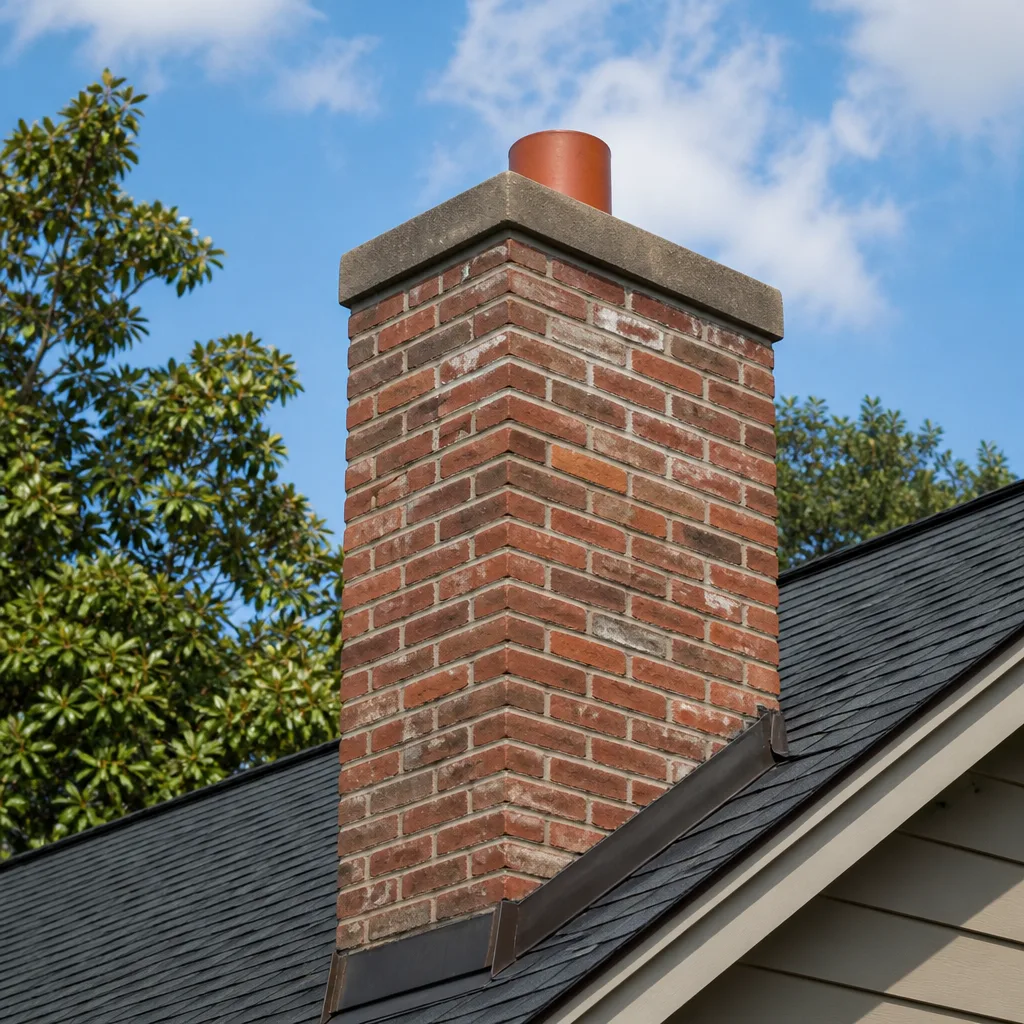 Masonry repair
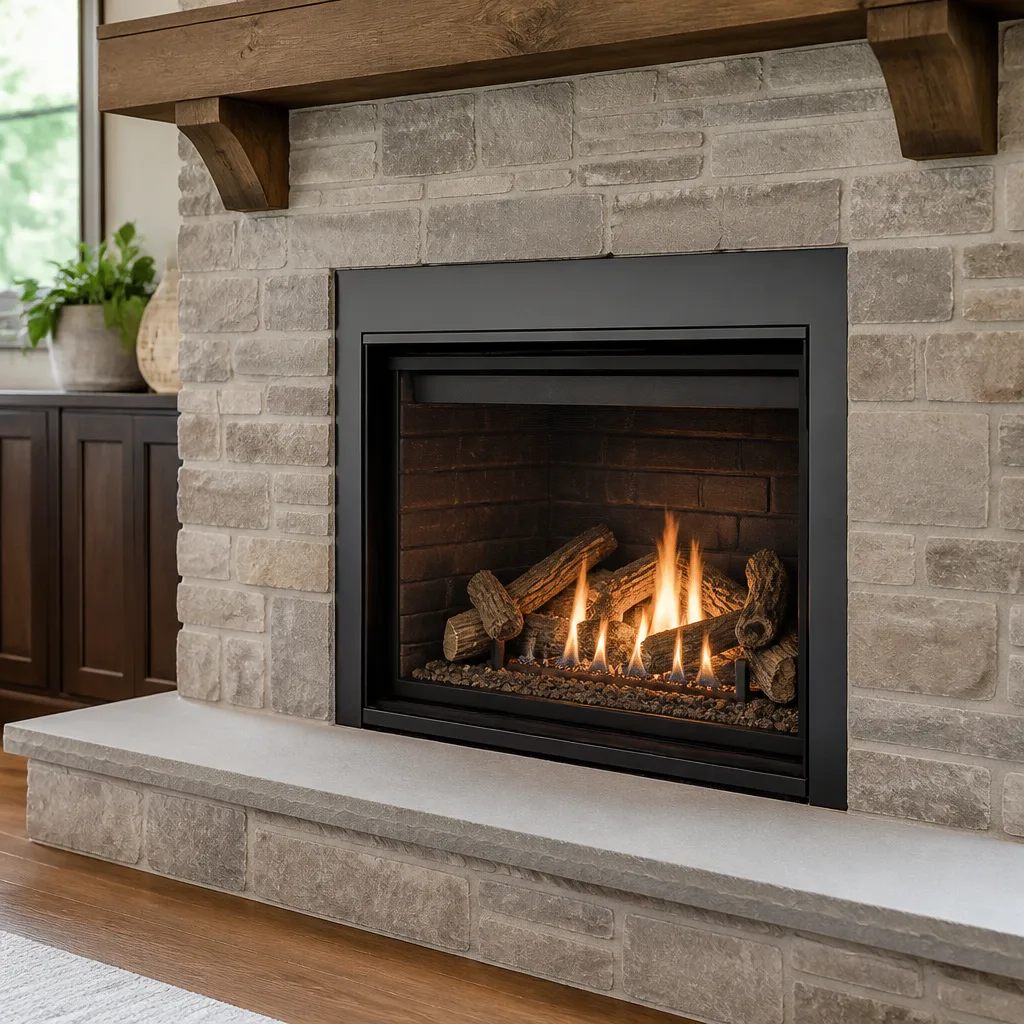 Gas fireplace service
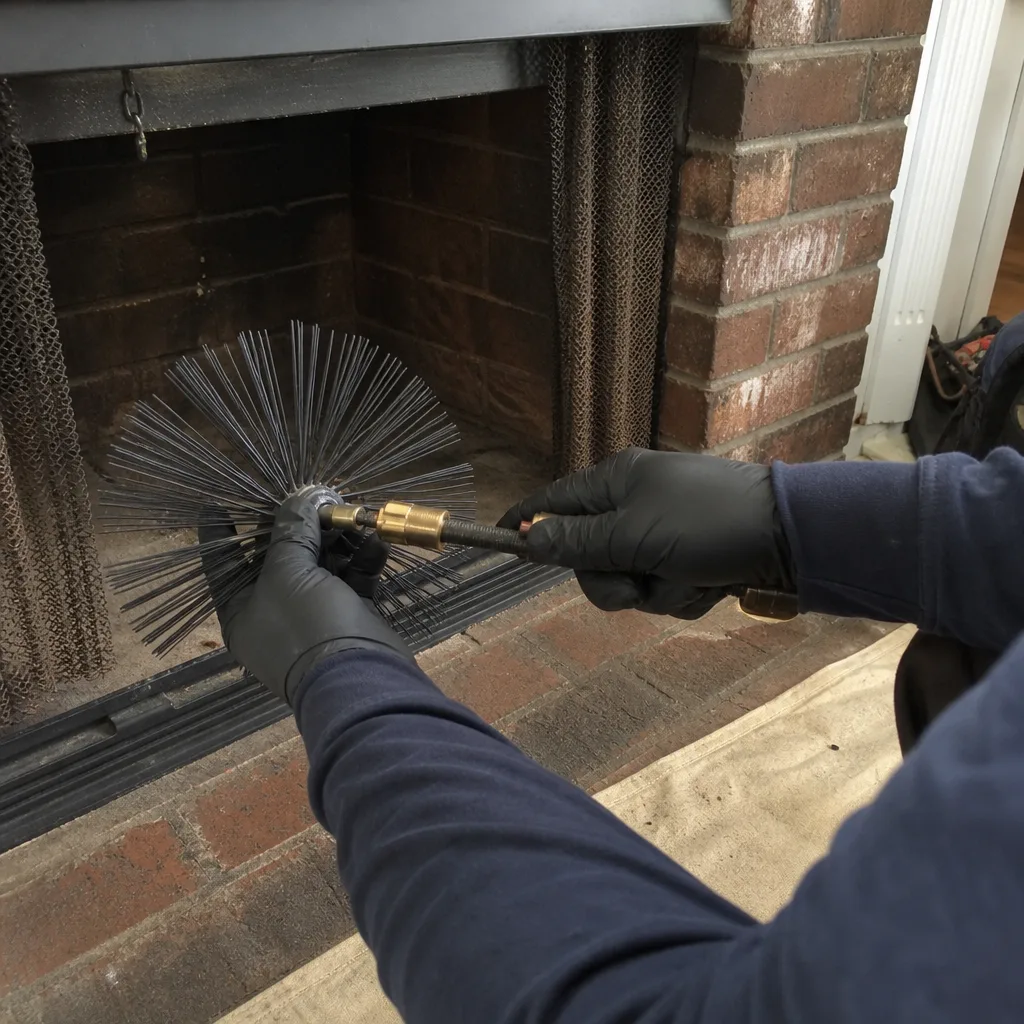
Level 1 sweep and inspection to the NFPA 211 annual standard - flue, crown, cap, and flashing checked and photographed
Chimney sweep logs do not sweep chimneys. They loosen some creosote - which then falls where a brush and vacuum still have to collect it.
Chimney Cleaning Permits, Codes & Inspections in CA: What You Need to Know
Here’s a fact most homeowners don’t discover until it’s too late: a routine chimney sweep doesn’t require a permit anywhere in California, but the cracked flue tile that sweep uncovers often does. That distinction, the line between maintenance and modification, is where insurance claims get denied and home sales collapse. In Vista, where coastal moisture accelerates masonry deterioration and winter fires are a way of life, understanding the permit and inspection landscape before you light the first fire of the season isn’t bureaucratic fussiness. It’s liability protection. This guide walks through exactly which chimney projects trigger California building permits, how NFPA 211 inspection levels map to local requirements, what San Diego County’s wood-burning rules mean for your fireplace, and the documentation that proves your chimney was done right.
Styles & brands we work with
- Sweep & inspection
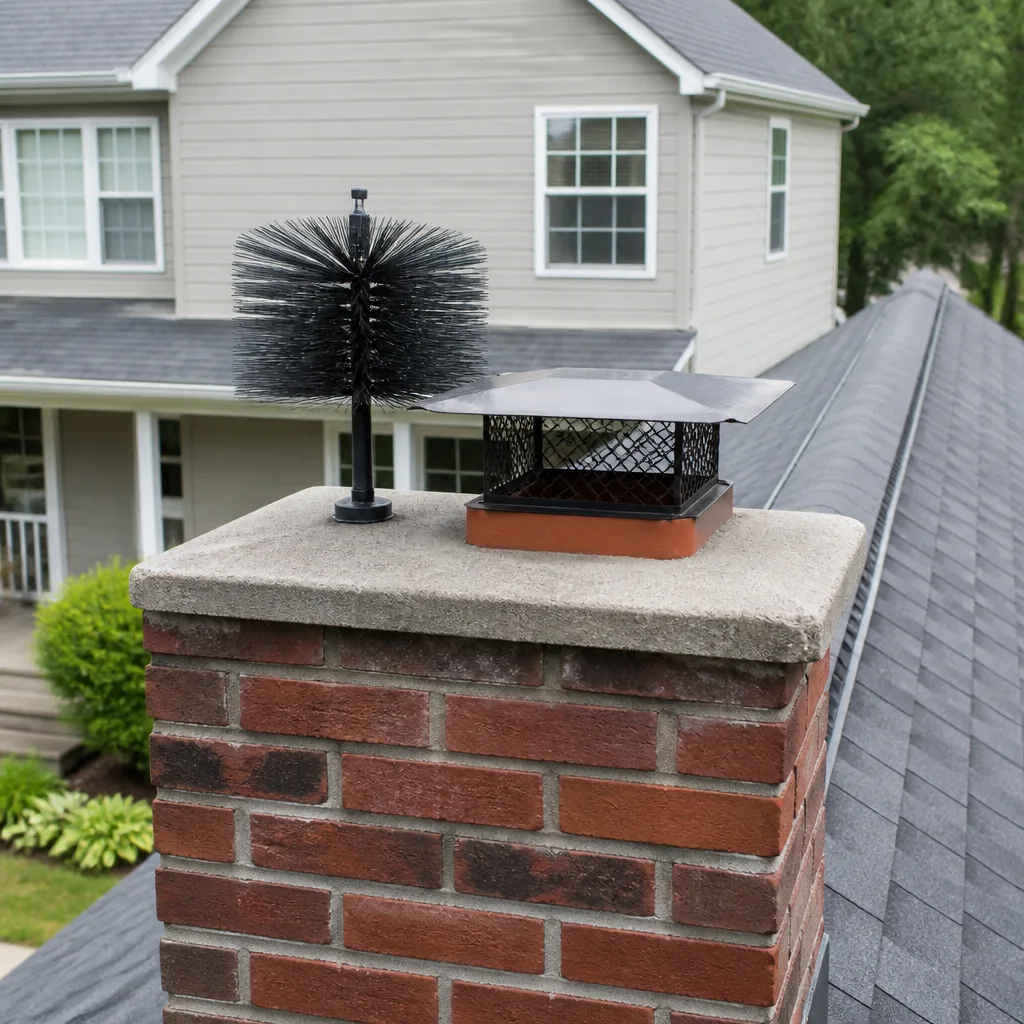
- Caps & crowns
- Flue relining
- Masonry repair
- Gas fireplace service
Quick Answer
Routine chimney sweeping and Level 1 inspections do not require a permit in California. However, most chimney repairs, including flue relining, smoke chamber parging, and structural masonry work, fall under the California Building Code and require a permit from your local building department, typically the City of Vista or San Diego County for unincorporated areas. A Level 2 inspection is required by NFPA 211 whenever a property changes hands, after a chimney fire, or when the fireplace system undergoes any modification.
Table of Contents
- Which Chimney Work Requires a Permit in California, and Which Doesn’t
- NFPA 211 Inspection Levels: What California Actually Enforces
- San Diego County Wood-Burning Rules and Your Fireplace
- Documentation to Keep After Every Chimney Service
- The Liability Gap: Who Bears the Risk When Permits Are Skipped
- Chimney Inspections and California Real Estate Transactions
- Vista-Specific Considerations: Climate, Code, and Older Homes
- Common Mistakes to Avoid
- When to Call a Professional
- Frequently Asked Questions
- The Bottom Line
Which Chimney Work Requires a Permit in California, and Which Doesn’t
California building permits are governed by the California Building Code (CBC), which local jurisdictions adopt with amendments. For chimneys, the operative rule is simple: maintenance and cleaning are not construction, but repairs that alter or replace core components are. A sweep that removes creosote with brushes and a vacuum is maintenance. A technician who removes damaged flue tiles and installs a new stainless liner is performing structural work. The first needs no permit. The second does.
Here’s the breakdown as applied in Vista and throughout San Diego County:
No Permit Required
- Chimney sweeping and creosote removal – routine maintenance, no structural alteration.
- Level 1 chimney inspection – visual examination of accessible portions, no disassembly.
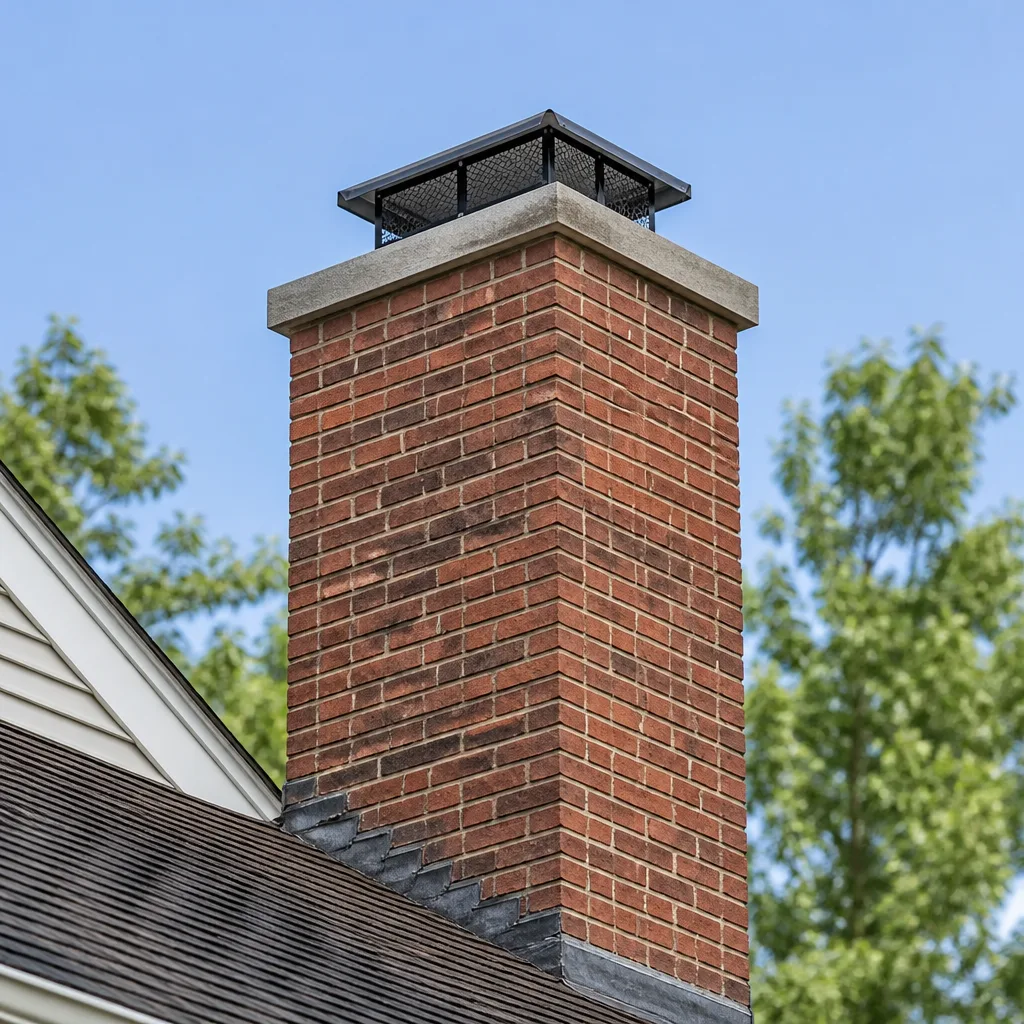
- Chimney cap installation – when it’s a direct mount to an existing flue tile with no crown modification.
- Minor crown sealing – applying a waterproof sealant to hairline cracks, not rebuilding the crown.
- Dryer vent cleaning – removal of lint buildup, no alteration to the vent path.
Permit Required
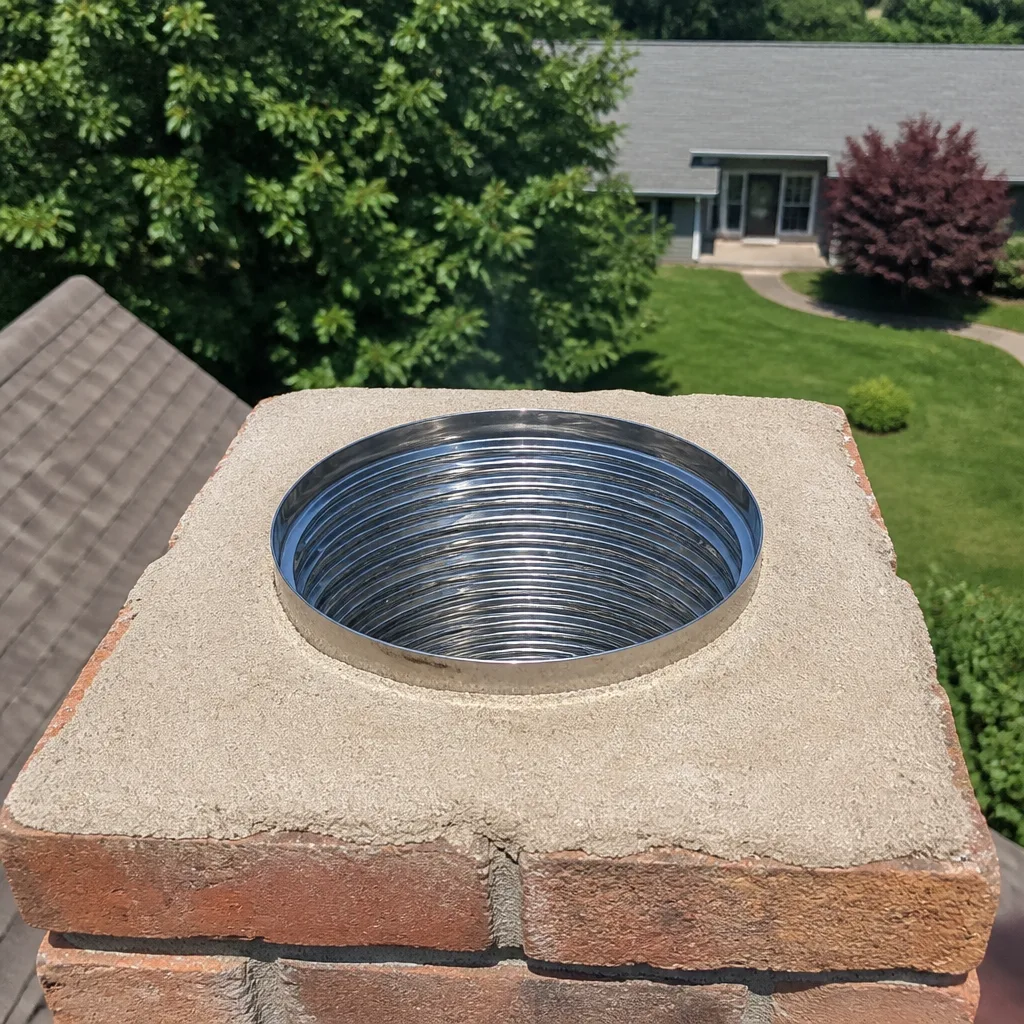
- Flue relining – installing a DuraFlex stainless steel liner system or a poured-in-place liner changes the flue’s construction and requires a permit.
- Smoke chamber repair or parging – resurfacing the smoke chamber with a material like HeatShield alters fire-resistance characteristics.
- Firebox rebuild – replacing firebrick or applying a HeatShield firebox restoration system is structural, not cosmetic.
- Crown rebuild – forming and pouring a new concrete crown is construction.
- Flue tile replacement – removing and replacing individual clay tiles that form the flue liner.
- Masonry repair beyond repointing – rebuilding a chimney above the roofline, or repairing more than a few bricks, crosses into structural territory.
What trips up Vista homeowners most often is the gray zone around repointing. Minor repointing to mortar joints is generally viewed as maintenance. But if the work requires removing more than a small section of brick or rebuilding a corbeled shoulder, the building official may classify it as a repair requiring a permit. When Millbrook Chimney Sweep evaluates a chimney in Vista, we default to the conservative reading: if the repair changes how the chimney performs, we tell you a permit is likely needed and we can help coordinate the process. See our Chimney Sweep Troubleshooting: Common Problems and How to Fix Them for additional guidance.
NFPA 211 Inspection Levels: What California Actually Enforces
NFPA 211 is the National Fire Protection Association standard for chimneys, fireplaces, vents, and solid fuel-burning appliances. It defines three inspection levels, and while California doesn’t mandate annual inspections for homeowners, the standard carries legal weight in two specific contexts: insurance claims and real estate transactions. When a fire occurs and the insurer discovers the chimney hadn’t been inspected to the level NFPA 211 specifies for that situation, the claim can be reduced or denied.
The Three Levels, Plainly Explained
- Level 1 – A visual check of the accessible portions of the chimney exterior and interior. The technician confirms the flue is free of obstruction and combustible deposits, and that the basic construction is sound. This is the inspection paired with every routine sweep. Recommended annually for chimneys in continuous service with no changes.
- Level 2 – Everything in Level 1, plus inspection of accessible attics, crawl spaces, and basements, and a video scan of the flue interior. Required by NFPA 211 when any of these occur: sale or transfer of the property, a chimney fire, a change to the appliance or fuel type, or an earthquake or weather event that may have damaged the structure. California earthquake country makes Level 2 inspections especially relevant after seismic activity.
- Level 3 – The most invasive level, used when a Level 1 or Level 2 inspection reveals a hazard that requires accessing concealed areas. This may involve removing portions of the chimney or surrounding structure. Level 3 inspections are rare and typically follow a known or suspected fire or structural failure.
In Vista, the practical implication is this: if you’re buying a home built before 1990 with an original masonry chimney, request a Level 2 inspection. Don’t accept a Level 1 from the seller’s disclosure packet. A Level 1 doesn’t see into the flue interior, which is where cracked tiles and deteriorated mortar joints hide. Millbrook Chimney Sweep performs Level 2 inspections with internal video documentation, so Vista homeowners see exactly what we see before any repair is recommended.
San Diego County Wood-Burning Rules and Your Fireplace
San Diego County’s Air Pollution Control District (APCD) regulates residential wood burning under Rule 311, and the rules affect when Vista residents can legally operate a fireplace or wood stove. The regulation isn’t a chimney code, but it directly intersects with chimney service because it determines when your fireplace is usable and what kind of notification you’ll receive.
The basics for Vista homeowners:
- Burn days are announced daily. Between November and February, the APCD issues daily burn status based on air quality forecasts. On “No-Burn” days, burning wood or manufactured fire logs in a fireplace is prohibited unless the fireplace is your only source of heat.
- The rule applies to all solid fuel. Wood, pellets, and pressed logs all fall under the restriction. Gas fireplaces are exempt.
- Penalties escalate. First-time violations are typically a warning letter. Repeat violations carry fines, and the APCD has authority to issue citations up to $500 or more depending on severity and frequency.
- Vista is in the San Diego Air Basin. Because of temperature inversions common in the coastal valleys, particulate matter tends to linger, which is why the APCD enforces the burn program vigorously across North County.
The practical takeaway: if you have a wood-burning fireplace in Vista, a clean chimney is not just a fire-safety concern. A chimney with creosote buildup above ⅛ inch produces more particulate matter when burned, which means more visible smoke and a higher likelihood of neighbor complaints to the APCD. We see this pattern regularly in older Vista neighborhoods like Shadowridge and Buena Vista, where original masonry chimneys from the 1970s and 1980s haven’t been relined in decades. Our Chimney Cleaning Warning Signs: A Vista Homeowner’s Reference Guide covers what to watch for. Those chimneys burn dirtier, fail inspections faster, and draw more regulatory attention.
Documentation to Keep After Every Chimney Service
The single most useful thing a Vista homeowner can do after any chimney work is retain documentation. Not the receipt alone. The full chain: inspection findings, photos or video from the technician, material specifications, and the permit if one was pulled. Future home inspectors and insurance adjusters demand proof of care, and without it, the work might as well not exist in their eyes.
Here’s what to keep, organized by service type:
After a Sweep and Level 1 Inspection
- Written inspection report noting the date, the technician’s name, the flue condition, and the creosote level found before and after cleaning.
- Photos of any areas of concern even if no repair was recommended at the time. These establish a baseline.
- Receipt showing the service date and scope. Insurance companies treat a documented annual sweep as evidence of responsible maintenance.
After a Level 2 or Level 3 Inspection
- Video scan footage or still images. The entire point of a Level 2 is the internal camera pass. If the inspecting company doesn’t provide the images, ask for them. They belong to you.
- Detailed findings report with measurements: the size and location of any crack, the depth of any spalling, the condition of the mortar joints.
- Repair recommendations with material names. If a technician recommends relining, the report should say what material, what diameter, and what part of the flue is compromised.
After Any Repair
- The permit and final inspection sign-off if the work required one.
- Material specifications. For a reline, the make and model of the liner, such as a DuraFlex 316L stainless system. For smoke chamber repair, documentation that HeatShield was used and which portion of the chamber was treated.
- Warranty registration. Most manufacturer warranties only apply if the installation is documented and registered.
- Before and after photos. Visual proof the defect existed and was corrected.
Millbrook Chimney Sweep provides a documentation chain as standard practice on every Vista job: inspection findings, camera footage, and material documentation for any repair. It’s the same evidence trail an insurer or home inspector will ask for later, and we’d rather you have it from day one.
The Liability Gap: Who Bears the Risk When Permits Are Skipped
When a contractor performs work that requires a permit but doesn’t pull one, the homeowner doesn’t get a free pass. In California, the legal responsibility for ensuring permitted work rests with the property owner. Contractors who knowingly work without permits risk their license, but the homeowner bears the long-term consequences: voided insurance coverage, failed home inspections, and the cost of bringing unpermitted work up to code before a sale can close.
Here’s how the liability gap plays out in practice:
- Insurance denial. If a chimney fire originates in a flue that was relined without a permit, the insurer can argue the work was illegal construction and deny the claim. The homeowner’s recourse is against the contractor, which means litigation, not a quick check.
- Home sale delays. Buyers’ inspectors in California routinely check county permit records against visible repair work. An unpermitted reline becomes a negotiating weapon or a deal-killer. Sellers end up paying full price twice: once for the original repair, once to have it permitted and possibly redone retroactively.
- Substandard work concealment. The contractors most likely to skip permits are the ones most likely to cut corners elsewhere. Permitting creates a paper trail and a municipal inspection that catches bad work before the fire does.
- Personal injury exposure. If an unpermitted chimney repair fails and causes injury to a family member or a future owner, the homeowner’s liability is personal. There’s no corporate shield between you and that claim.
In Vista, the City of Vista Building Division issues permits for chimney relining and structural repair. The process isn’t onerous: a permit application, a nominal fee, and a final inspection by a city inspector who verifies the work meets current code. Millbrook Chimney Sweep recommends homeowners request permit status on any repair over $500. If the contractor hesitates, that hesitation is information.
Chimney Inspections and California Real Estate Transactions
California’s real estate disclosure requirements don’t mandate a chimney inspection at sale, but the practical reality is this: most purchase contracts in San Diego County include a home inspection contingency, and most home inspectors flag chimneys as a matter of course. A flagged chimney triggers the NFPA 211 Level 2 requirement. Buyers increasingly request the seller provide a Level 2 report before removing contingencies, and sellers who preempt the request get ahead of the renegotiation curve.
What buyers and sellers in Vista need to know:
- A Level 2 inspection is the accepted standard for any real estate transaction. The California Real Estate Inspection Association and most home inspector trade groups reference NFPA 211 as the governing standard. A Level 1 report from the seller won’t satisfy a knowledgeable buyer’s agent.
- Cracked flue tiles are the most common deal-impacting finding. Clay tile liners in chimneys built before 1990 rarely survive decades of coastal temperature swings intact. When a Level 2 video scan reveals spalling or cracks, the typical repair is a DuraFlex stainless liner, and the cost becomes a negotiation point.
- Documentation beats explanation. A seller with a maintained documentation history, annual sweeps and a recent Level 2 report, is in a far stronger position than one who says the chimney “works fine.” The paper has already answered the buyer’s question.
- Gas log conversions trigger a Level 2. Changing from wood to gas changes the appliance and the flue requirements. NFPA 211 mandates a Level 2 inspection at that point, and many Vista sellers convert before listing to avoid the complexity.
If you’re selling a home in Vista with an older masonry chimney, the smart move is to commission a Level 2 inspection before listing. You’ll either get a clean report to attach to your disclosure packet or you’ll discover the defect before the buyer does and control the repair process. It’s the same advice we’d give a family member, and we’ve seen it save Vista sellers tens of thousands in renegotiation.
Vista-Specific Considerations: Climate, Code, and Older Homes
Vista’s particular combination of coastal humidity, warm days, cool nights, and housing stock from the 1960s through 1980s creates a predictable pattern of chimney problems. The moisture cycle is the quiet culprit: daytime temperatures in the 70s and 80s, nighttime drops into the 50s and 60s, and marine layer fog rolling through the Buena Vista Creek drainage all contribute to condensation cycles inside unlined masonry chimneys. Moisture mixes with creosote to form acidic compounds that eat mortar joints and spall clay tile liners. In Vista, a chimney that hasn’t been sealed and maintained is typically degrading from the inside out even when the exterior brick looks fine.
The City of Vista operates under the current California Building Code with local amendments, and its Building Division has jurisdiction over permitted chimney work. Vista permits are tracked in the city’s Accela system, searchable by address, which means unpermitted work from a previous owner is discoverable when a buyer’s agent runs a permit history. Older neighborhoods like Vista Village, Foothill, and the developments around Brengle Terrace Park have a high concentration of original masonry chimneys that predate modern liner requirements. Those are exactly the chimneys where a Level 2 inspection in Vista tends to find significant concealed deterioration.
The practical effect of Vista’s climate is a shorter maintenance interval than dryer inland communities. We recommend Vista homeowners with masonry chimneys get a Level 1 inspection every year and a Level 2 every three to five years even without a triggering event. Follow our Chimney Sweep Maintenance Checklist for Vista Homeowners to stay on track. The moisture cycle here doesn’t stop, and the creosote that dry climates burn off as loose powder becomes a harder, more adhesive glaze in Vista’s humidity.
For Millbrook Chimney Sweep home service calls in Vista, this regional knowledge shapes every inspection. A technician who works primarily in inland areas may not anticipate how quickly coastal moisture accelerates flue deterioration. The difference is why homeowners here need a sweep who knows Vista-specific conditions, not a generic chimney company.
Common Mistakes to Avoid
- Assuming a sweep company will flag permit-required repairs. Many sweep-only companies see a cracked flue tile and move on, because they don’t do the repair work and don’t want to alarm the homeowner. A full-service company like Millbrook Chimney Sweep has no incentive to understate what the camera shows. You can read more about our Chimney Sweep in Vista approach.
- Filing an insurance claim without documentation. If you can’t prove the chimney was maintained and inspected, the insurer’s adjuster starts from a position of skepticism. Keep every report, every receipt, every photo.
- Burning wood on a No-Burn day in Vista. The APCD’s enforcement doesn’t require a neighbor to complain. Air quality inspectors respond to visible smoke reports and issue citations based on the daily burn status. A clean chimney doesn’t exempt you from the rule.
- Paying for a repair that should have been permitted, then finding out at resale. Unpermitted relines and firebox rebuilds don’t disappear. They surface during title escrow when permit history is pulled. The retrofit cost to permit after the fact often exceeds the original permit cost several times over.
- Accepting a Level 1 inspection when the transaction calls for a Level 2. A Level 1 is an external and accessible-parts check. It cannot see into the flue. For real estate deals, appliance changes, or after a chimney fire, only a Level 2 meets the NFPA 211 standard.
- Ignoring dryer vents because “it’s just lint.” NFPA data consistently ranks dryer vent fires among the leading causes of residential structure fires. A clogged dryer vent doesn’t care whether your chimney is code compliant. That’s why Dryer Vent Cleaning in Vista is a service we include in our safety scope, not an add-on we mention in passing.
When to Call a Professional
Call a professional when you see white staining on exterior brick (efflorescence from interior moisture), when you notice a smoky smell in the house after fires, when you can feel a draft from the fireplace when it’s not in use, or when you’ve lived with the same chimney for five years without an internal camera inspection. If you’ve received a repair recommendation from a previous inspector, whether during a home purchase or an insurance review, get the specific finding in writing and call a company that performs the repair, not one that refers it out. Millbrook Chimney Sweep offers free estimates in Vista, call (833) 589-9711, and our Chimney Repair in Vista services cover relining, smoke chamber restoration, crown work, and firebox repairs with materials like HeatShield and DuraFlex.
Frequently Asked Questions
A Level 1 inspection in Vista typically ranges from $150 to $350 depending on the chimney’s height, accessibility, and whether it’s bundled with a sweep. A Level 2 inspection, which includes the internal video scan, usually runs $300 to $600. Millbrook Chimney Sweep provides free estimates in Vista, call (833) 589-9711 for an exact quote based on your chimney.
No permit is required for a chimney cap that mounts directly to an existing flue tile without modifying the crown. If the crown needs to be rebuilt or extended to accommodate the cap, the crown work itself may require a permit. The distinction is whether the chimney’s structure is altered, not whether a new piece of metal is attached.
California law doesn’t mandate a Level 2 inspection at sale, but NFPA 211 requires one whenever a property changes hands, and most home inspectors and real estate agents in San Diego County treat that standard as the accepted norm. A seller who provides a clean Level 2 report removes the most common chimney objection from the transaction.
You’ll likely discover the skipped permit during a future home sale, when the buyer’s title company pulls permit history and finds unpermitted work. The consequences can include an insurer denying a fire claim, a buyer demanding a price reduction or a retrofit permit, or a city citation requiring the work be brought to code. The property owner bears the legal risk even though the contractor did the work.
No. Between November and February, San Diego County APCD issues a daily burn status based on air quality. On No-Burn days, burning wood or manufactured logs is prohibited unless the fireplace is your only source of heat. Gas fireplaces are exempt from the no-burn restriction.
The standard recommendation is an annual sweep for chimneys in regular use, but Vista’s coastal moisture cycle means creosote tends to form harder, more adhesive deposits than in dryer inland climates. If you burn more than two cords of wood per season or burn frequently at low temperatures, you may need two cleanings per year. The creosote threshold that matters is ⅛ inch, at or above that, the chimney is a code-1 fire hazard.
The Bottom Line
California’s chimney permit and inspection landscape isn’t complex, but it is unforgiving. Routine sweeping needs no permit. Repairs that alter the flue, firebox, or structural masonry do. NFPA 211 sets the inspection level that applies in real estate transactions, after chimney fires, and when the system changes. San Diego County’s APCD controls when you can legally burn in Vista. Documentation is the difference between an insurance claim that pays and one that doesn’t. If you’re in Vista and need a chimney evaluation, Millbrook Chimney Sweep performs sweeps, inspections, and repairs with the full documentation chain, from video footage to material specs. Explore more guides & resources on our blog. Call (833) 589-9711 for a free estimate, we repair what we find.
Written by the team at Millbrook Chimney Sweep, serving Vista since 2014.
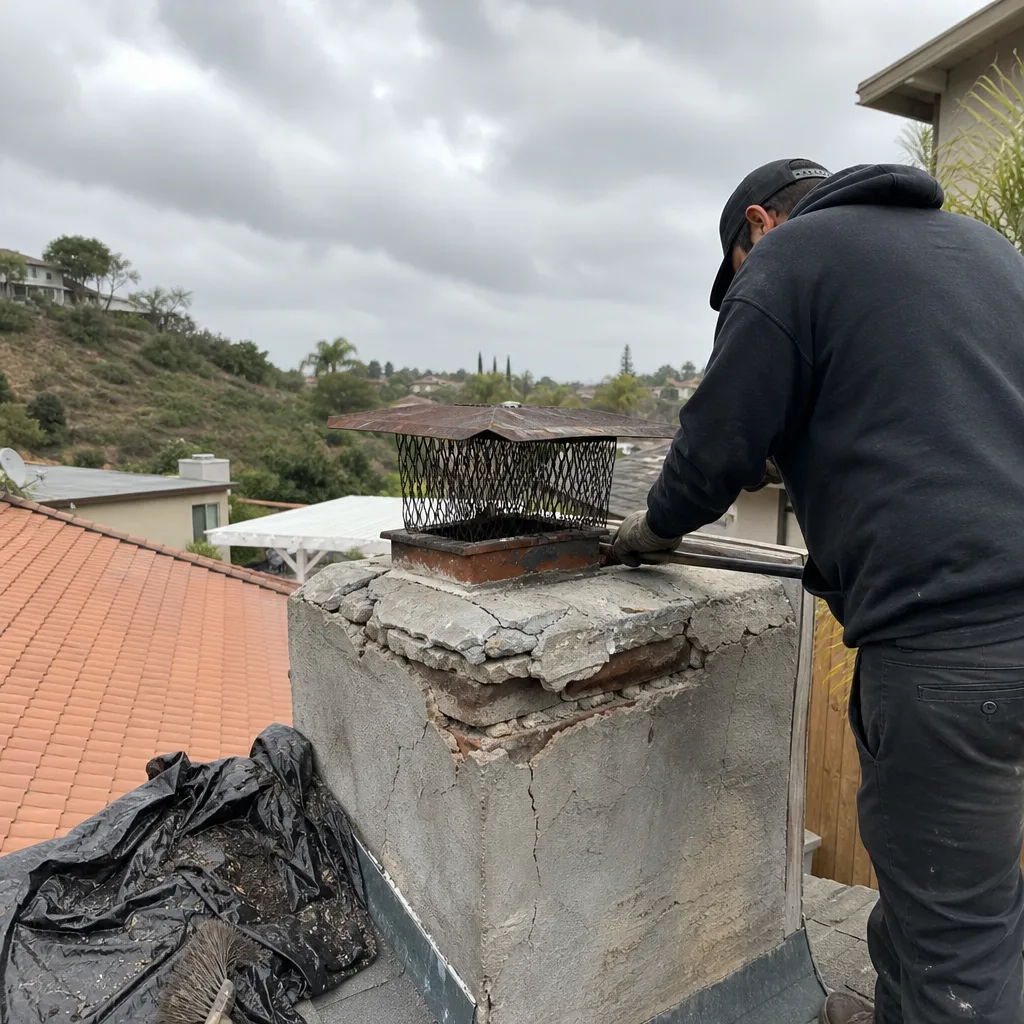
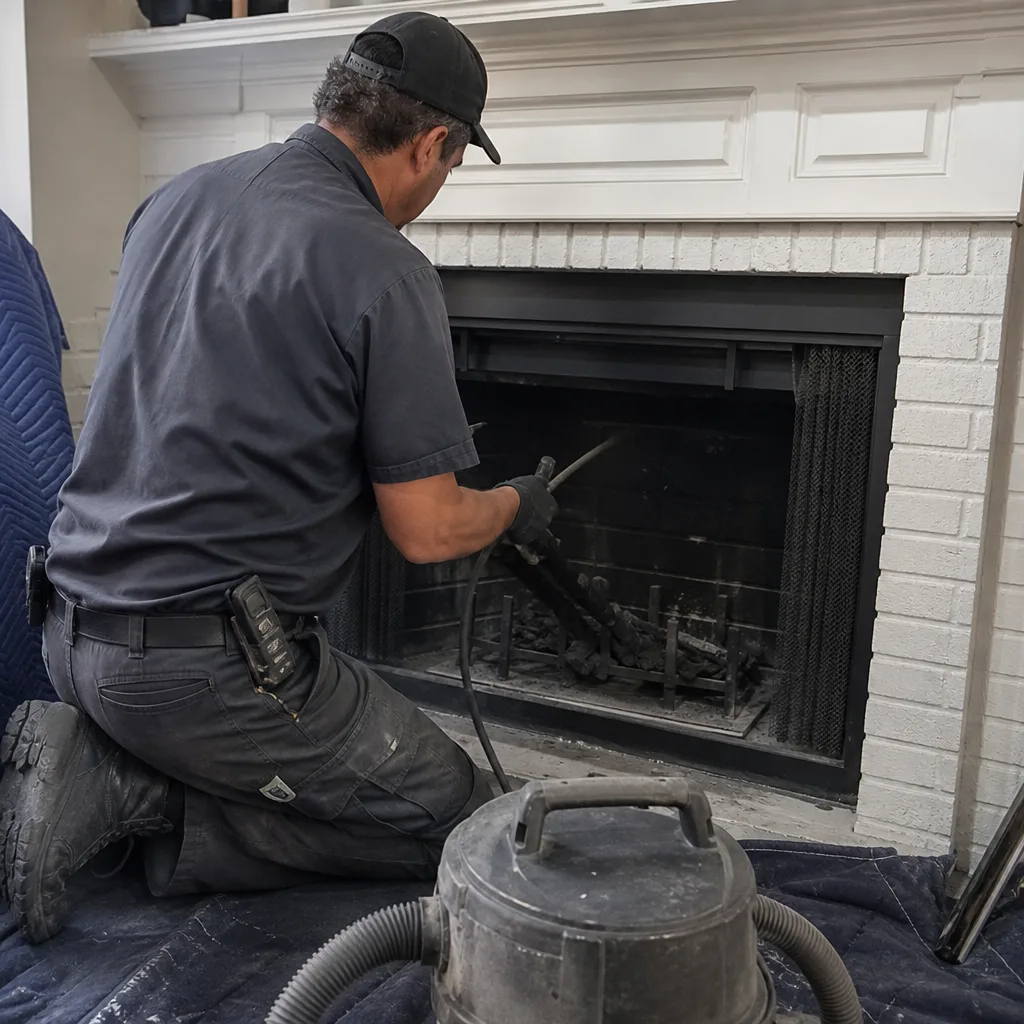
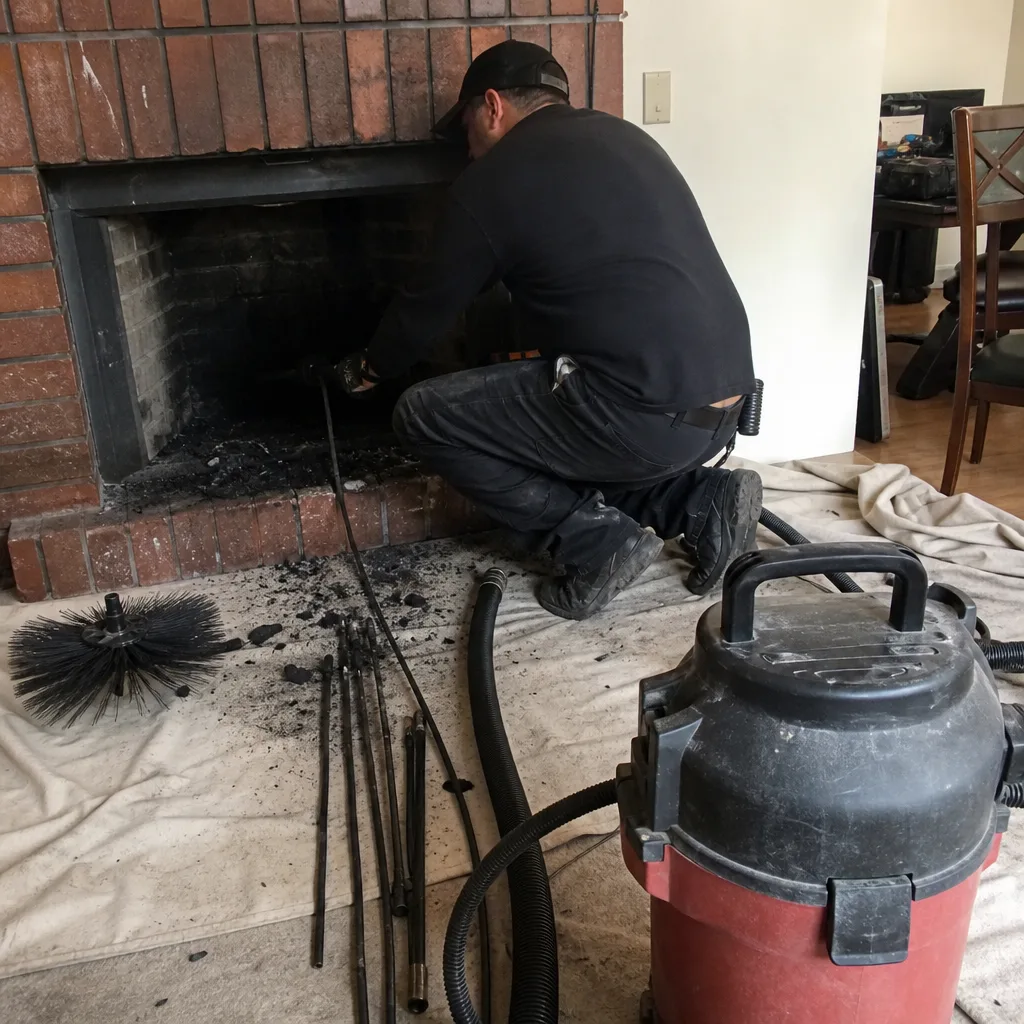
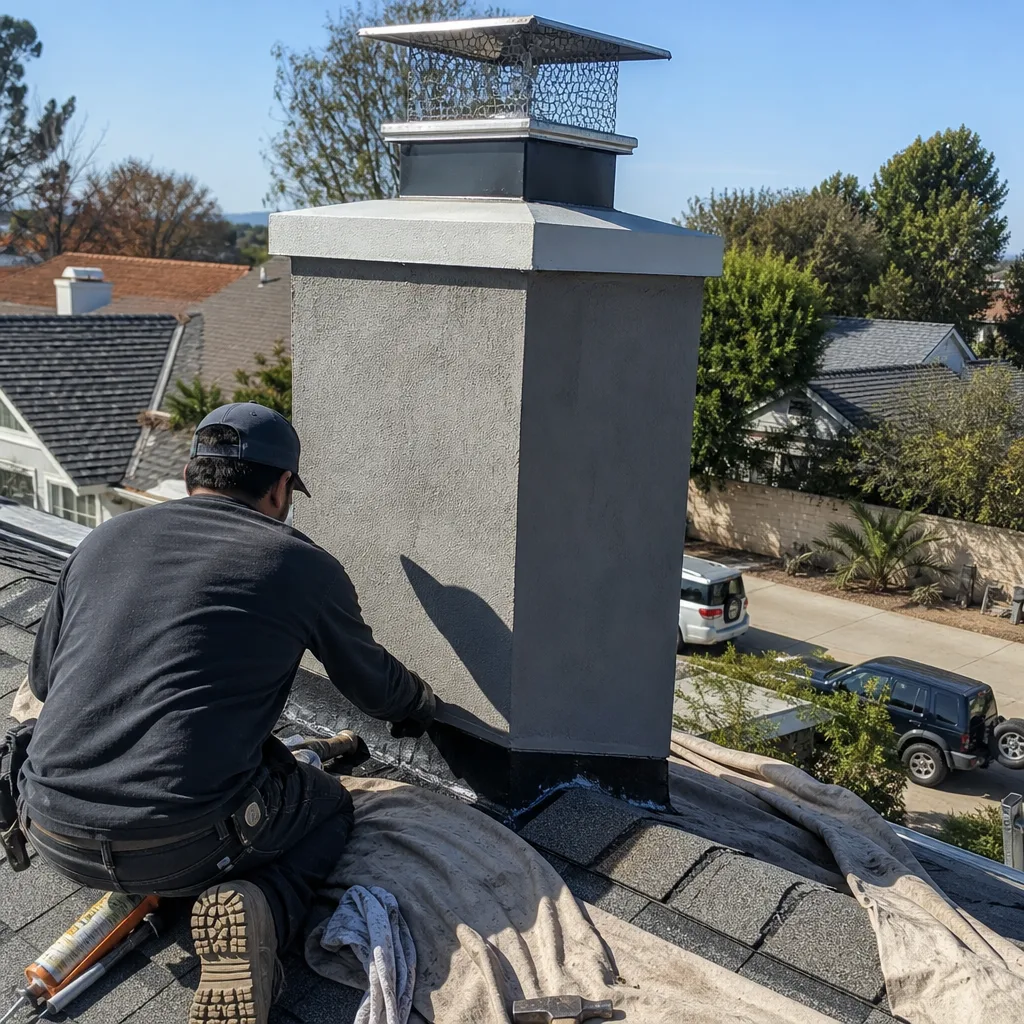
See the difference
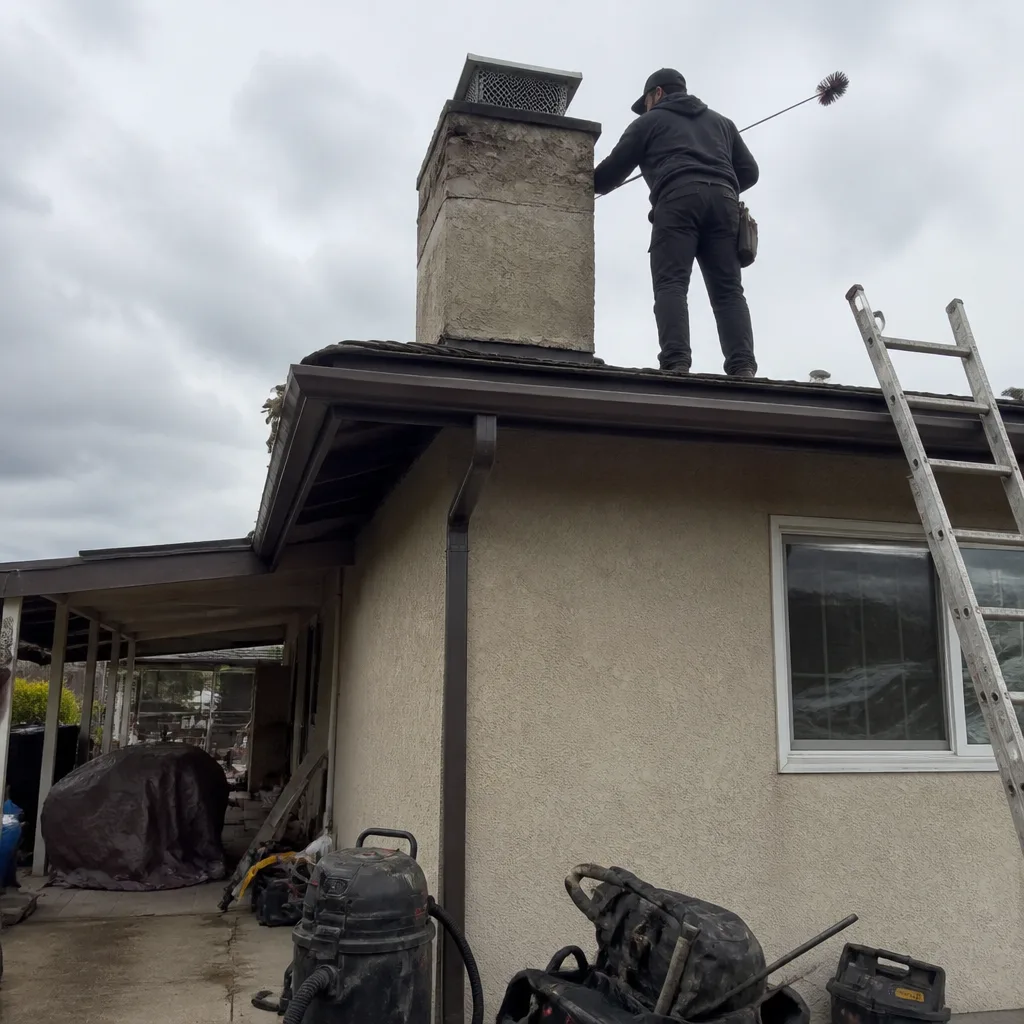 Before
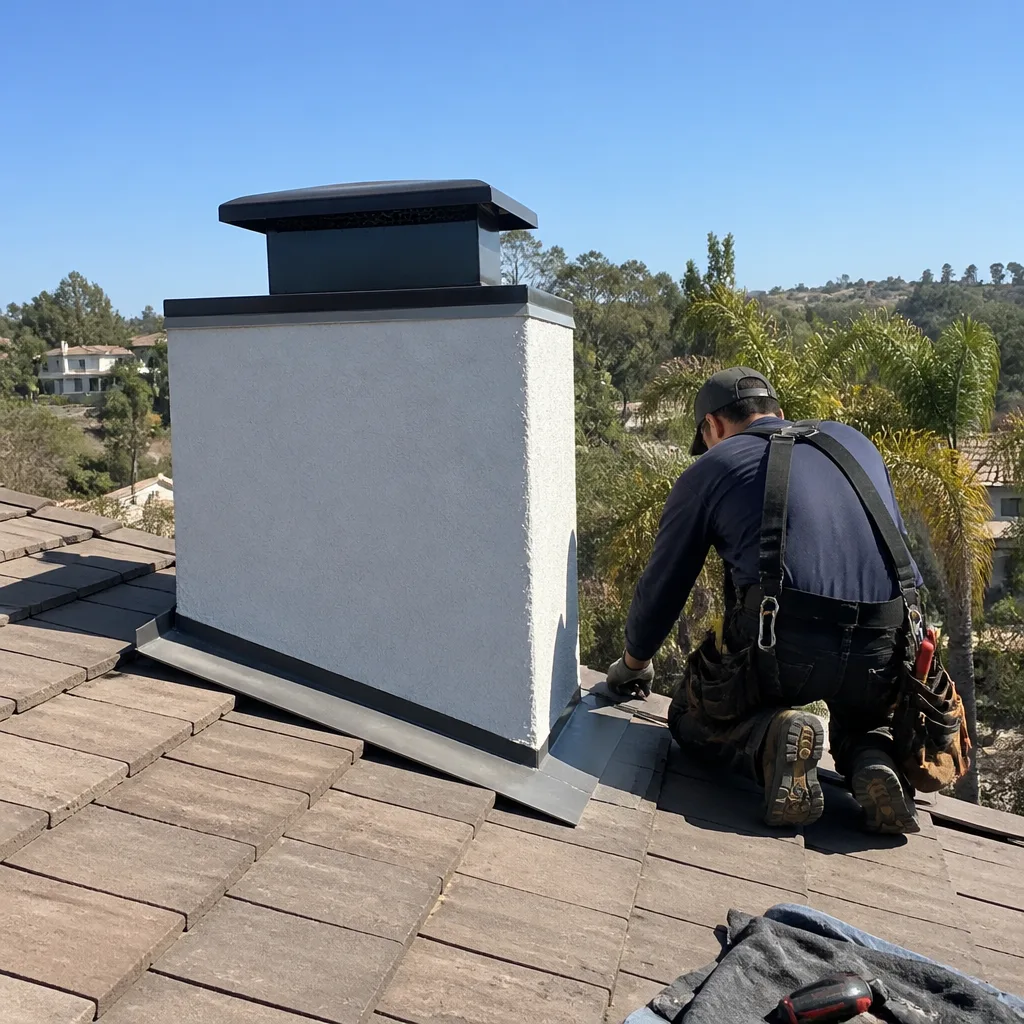 After
 Before
 After
 Before
 After