
Last updated November 2, 2026
 Sweep & inspection
 Caps & crowns
 Flue relining
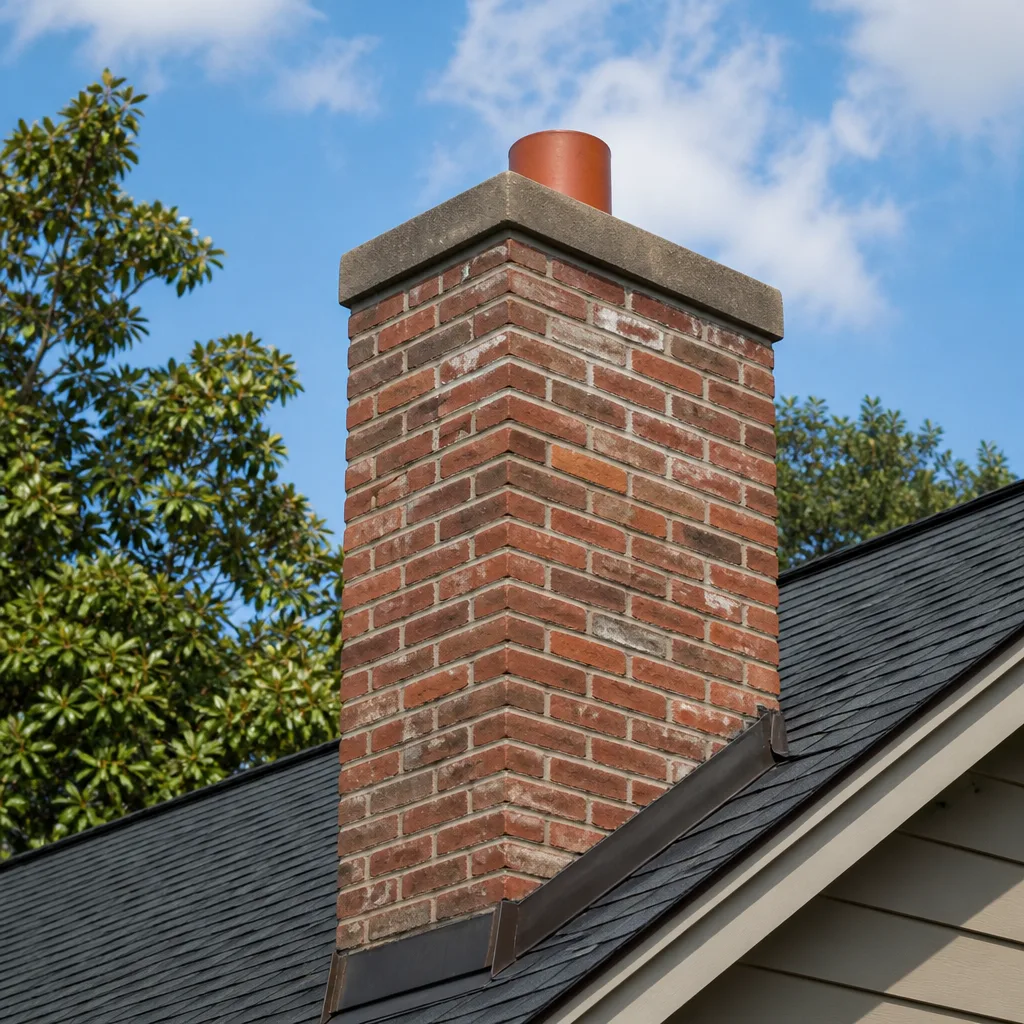 Masonry repair
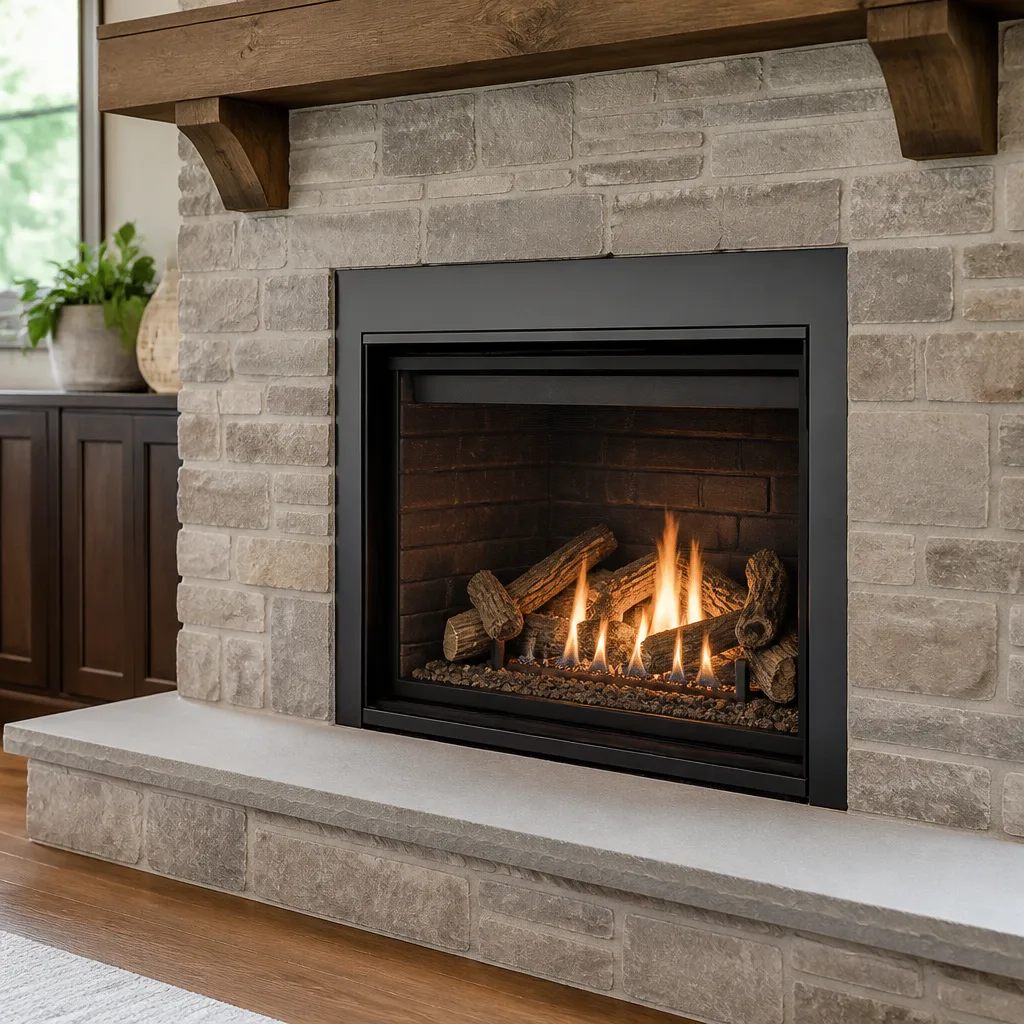 Gas fireplace service
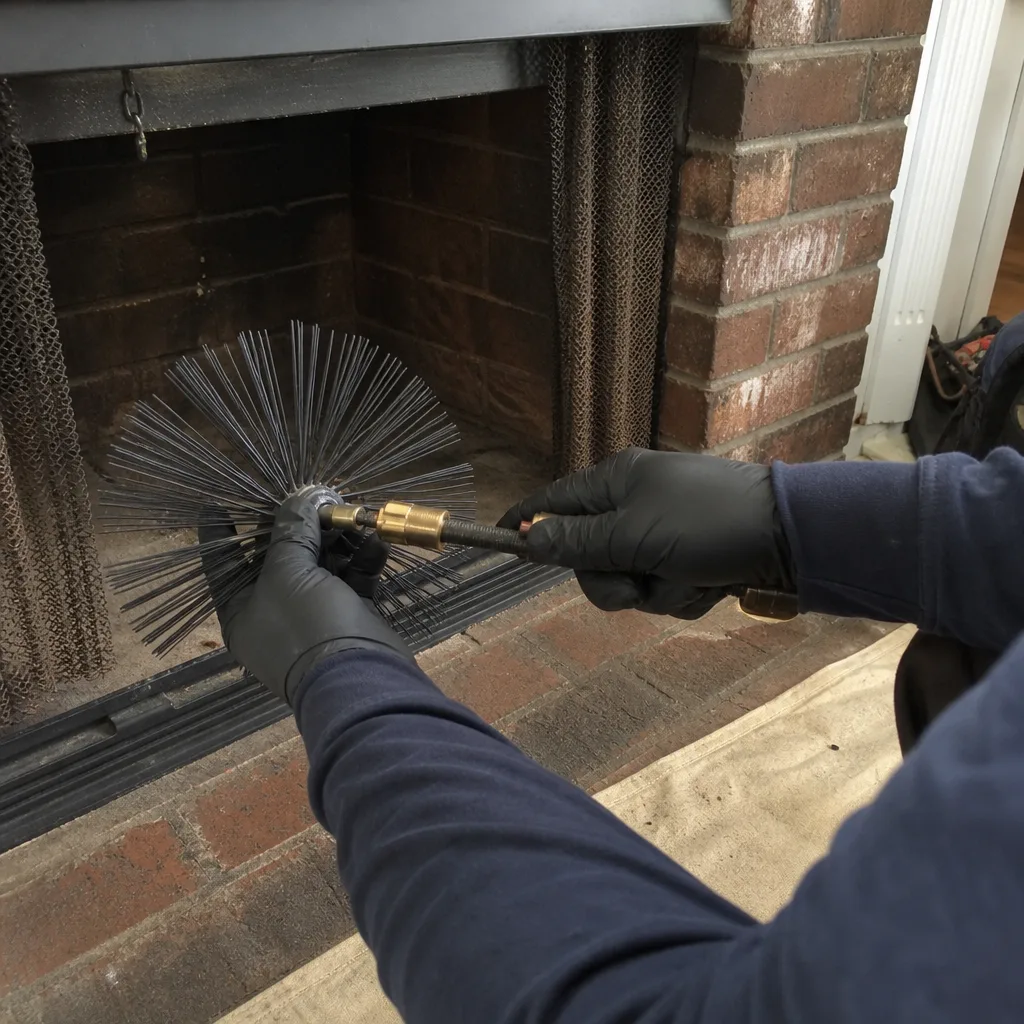
Level 1 sweep and inspection to the NFPA 211 annual standard - flue, crown, cap, and flashing checked and photographed
Chimney sweep logs do not sweep chimneys. They loosen some creosote - which then falls where a brush and vacuum still have to collect it.
Choosing the Right Chimney Cleaning Brand: A Buyer’s Guide for Vista
Most homeowners in Vista don’t know the brand of liner system inside their chimney, and that’s a problem. A generic flexible liner installed without proper sizing and termination is just as dangerous as no liner at all, because it creates the same false sense of security while doing nothing to contain heat or prevent carbon monoxide migration. This guide explains what the brand names actually mean, which materials solve which problems, and how to hold any contractor in Vista to a standard you can verify. You’ll learn the questions to ask before hiring, the red flags to listen for, and why the materials a contractor stocks reveal more about their capability than their marketing does.
Quick Answer
Choosing the right chimney cleaning brand in Vista means looking past the contractor’s logo and checking which professional-grade materials they install and service. Products like DuraFlex stainless steel liners, HeatShield restoration systems, and Gelco chimney covers are engineered for specific failures: flue deterioration, firebox cracks, and water intrusion. A contractor who stocks these brands and installs them under manufacturer specification is operating at a repair-first standard, while a sweep-only service using retail sealants and generic parts is offering a fundamentally different level of care.
Styles & brands we work with
- Sweep & inspection
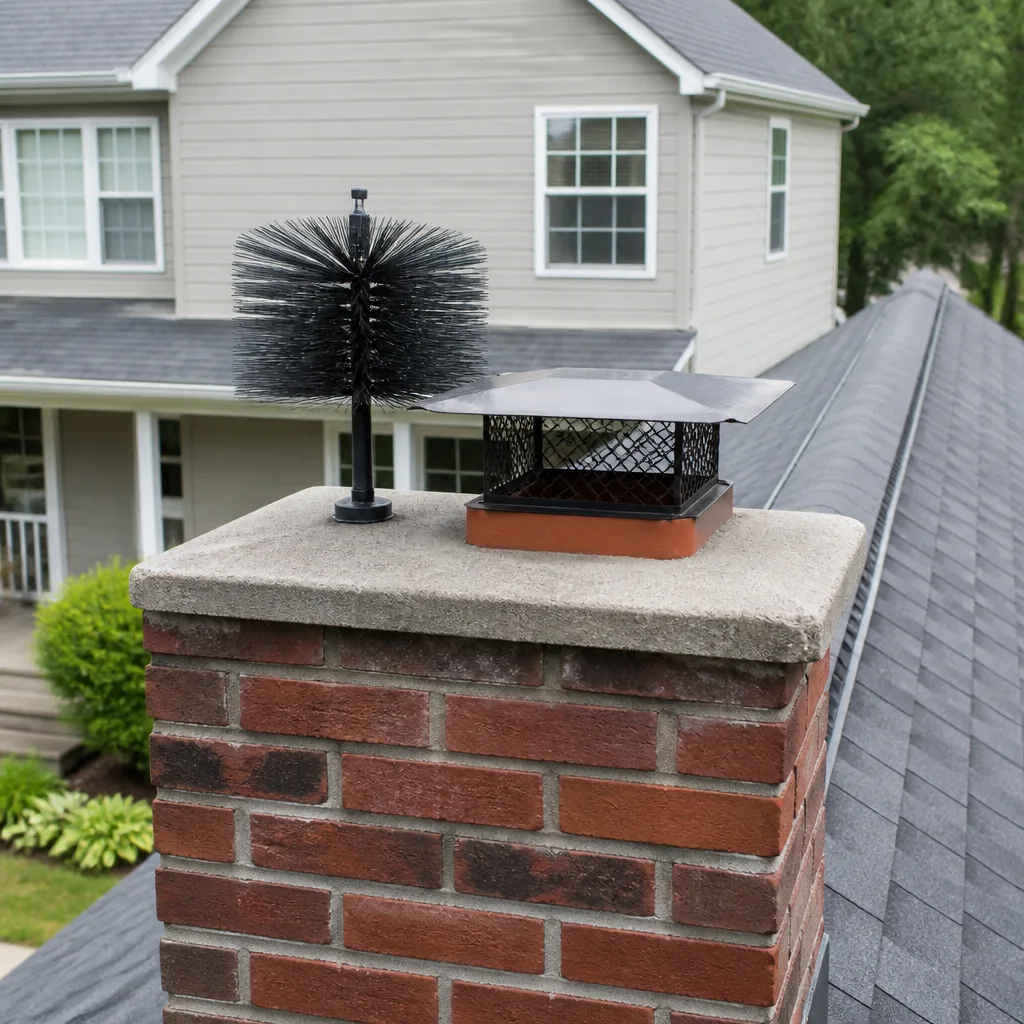
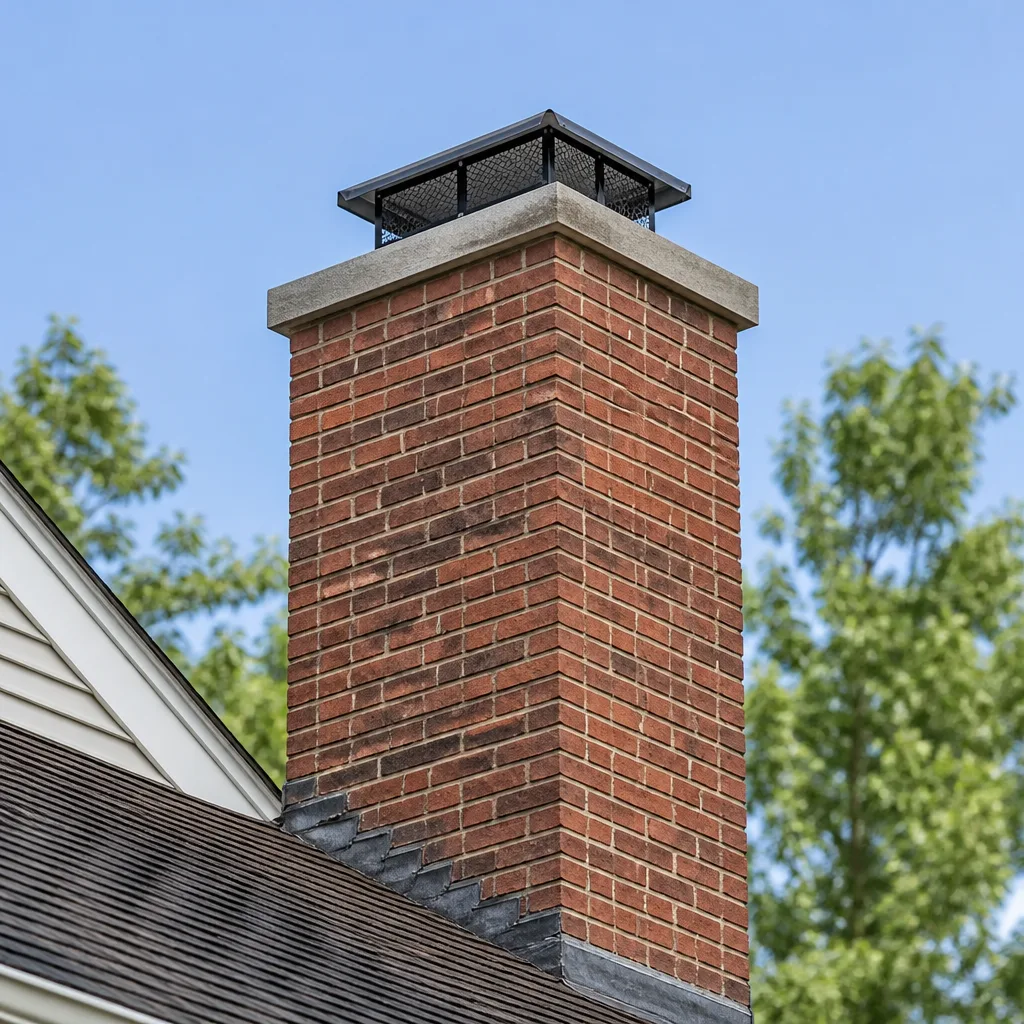
- Caps & crowns
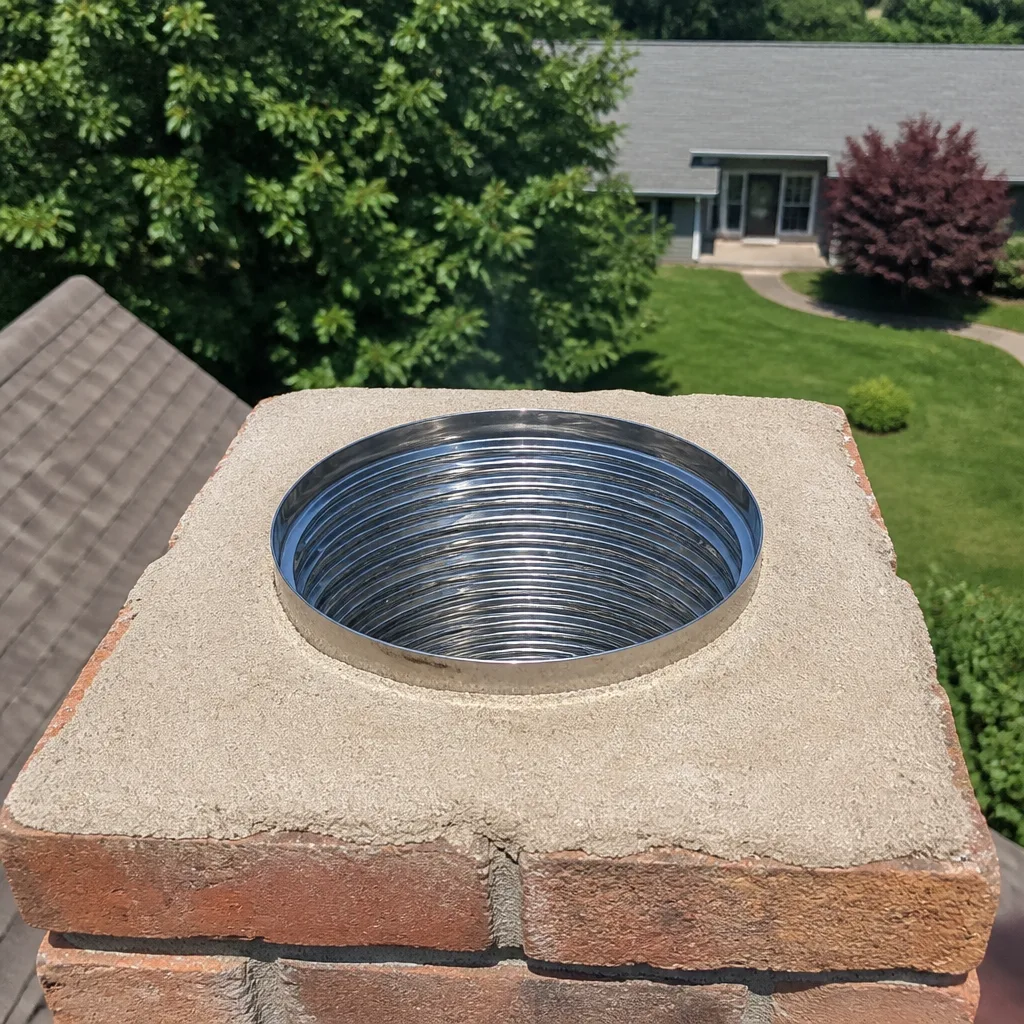
- Flue relining
- Masonry repair
- Gas fireplace service
Table of Contents
- Why Brands Matter More Than You Think
- What DuraFlex Is Actually Designed to Do
- What HeatShield Restoration Solves
- Why Professional-Grade Materials Are Not at Retail Stores
- Questions to Ask Any Chimney Contractor in Vista
- Temporary Sealants vs. Permanent Engineered Solutions
- Why Stocking Repair Materials In-House Signals Real Capability
- What Vista Homeowners Should Know About Local Chimney Conditions
Why Brands Matter More Than You Think
Chimney cleaning and chimney repair are not the same trade, even though many Vista homeowners treat them as identical. A cleaning removes creosote and debris. A repair restores the structural and safety integrity of the system. The brands a contractor works with tell you which trade you’re actually hiring. A company that names specific manufacturers like DuraFlex or HeatShield is signaling that it diagnoses problems and installs engineered solutions. A company that cannot name a single product line it installs is likely limited to sweeping, with repairs subcontracted or avoided entirely.
In Vista, where coastal moisture and marine-layer humidity accelerate chimney masonry deterioration, the distinction matters. Moisture gets into chimney crowns and mortar joints, rusts dampers, and degrades flue tiles. When a contractor opens up a chimney and finds spalling brick or a cracked flue liner, the brand of replacement material they choose determines how long the repair lasts and whether the chimney actually becomes safer. A DuraFlex liner is sized and terminated to code. A generic liner pulled off a shelf is not held to the same standard, and in many cases has no listed testing behind it.
Think of it this way: the labor matters, but labor attached to an engineered product with a documented performance record is a different service than labor attached to whatever is cheapest at the supply house. When you’re dealing with a system that contains fire and vents carbon monoxide, the material is the safety system.
What DuraFlex Is Actually Designed to Do
DuraFlex is a brand of stainless steel chimney liner system manufactured by Olympia Chimney. It is not a generic product category; it’s a specific line of 316L stainless steel flex liners engineered for relining masonry chimneys that vent gas, oil, or wood-burning appliances. The product exists because masonry flue tiles crack over time, and once a flue is compromised, combustion gases can leak through the tile joints into wall cavities or living spaces. A DuraFlex liner creates a continuous, sealed exhaust path from the appliance to the termination point at the chimney top.
What distinguishes DuraFlex from hardware-store liners is the material specification and the installation system. The liner comes with a full set of matched components: top plates, rain caps, connector kits, and termination hardware that are tested together. A proper installation sizes the liner to the appliance’s BTU output and venting requirements. An undersized liner creates excessive draft resistance and overheats. An oversized liner allows flue gases to cool too quickly, condense, and create acidic residue that eats through the liner. Neither failure is obvious from the outside, which is why installation competence and manufacturer support matter as much as the product itself.
At Millbrook Chimney Sweep, we install DuraFlex liner systems because the product is specified by certified chimney engineers on both residential and commercial projects. It’s a material we can stand behind, and it’s one we repair and service rather than just install and forget. When a Vista homeowner asks us what liner we recommend, we can say exactly what it is, why it’s sized the way it is, and how it integrates with the rest of the chimney system.
What HeatShield Restoration Solves
HeatShield is a ceramic-based restoration system used to repair damaged flue tiles and firebox masonry without tearing out and rebuilding the chimney. The product is engineered to handle the same temperature extremes masonry chimney systems face, and it’s applied as a coating that bonds to the existing flue surface, sealing cracks and restoring structural integrity. It’s the industry standard for what’s called “parge coating” or “resurfacing,” and it solves a very specific problem: flue tiles that have cracked or spalled but have not yet collapsed.
The alternative to HeatShield in many cases is a full chimney rebuild, which involves removing the flue tiles entirely and reconstructing the stack. That’s a six-to-fifteen-thousand-dollar project in the Vista market, depending on the chimney’s height and access. HeatShield is typically a fraction of that cost, and when the damage is limited to cracked tiles or deteriorating mortar joints, it’s the correct engineering solution rather than a shortcut. The material is rated for continuous temperatures up to 2,100 degrees Fahrenheit, which exceeds typical wood-burning flue temperatures by a wide margin.
We also use HeatShield for firebox repair, where the brickwork around the fireplace opening has cracked from repeated heating cycles. A firebox that’s shedding mortar or showing deep cracks lets heat reach combustible framing behind the firebrick. HeatShield bonds the damaged surface and creates a continuous fire-resistant layer. It’s a repair, but it’s a repair with a documented performance standard behind it, not a tube of refractory cement squeezed out of a caulking gun.
For Vista homeowners who’ve been told they need a full rebuild, HeatShield is worth asking about. Not every chimney qualifies. Some are too far gone. But a contractor who doesn’t mention the option at all is either unfamiliar with it or incentivized to sell the bigger job. Our chimney repair service in Vista includes a heat-shield assessment as standard practice, because the right answer depends on what the camera inspection shows.
Why Professional-Grade Materials Are Not at Retail Stores
Walk into any hardware store in Vista and you’ll find chimney products: tubes of firestop caulk, universal chimney caps, fiberglass gaskets, maybe a generic flexible liner. What you won’t find is DuraFlex, HeatShield, Gelco covers, or any of the other professional-grade materials chimney technicians use. There’s a reason for that, and it isn’t price.
Professional-grade chimney materials are sold through distributor networks that require contractor accounts and, in many cases, completion of manufacturer training. The manufacturers limit distribution because the products fail when installed incorrectly, and the manufacturer’s reputation takes the hit. DuraFlex doesn’t want its liner showing up in a homeowner’s hands because a liner installed without proper sizing, insulation, and termination is a carbon monoxide risk. HeatShield requires a certified applicator because the mixing process and cure time determine whether the material bonds correctly. These products are professional tools, not consumer products.
This means something specific for Vista homeowners interviewing chimney companies. A contractor who installs these brands has passed whatever background check the manufacturer requires, and the manufacturer is staking a portion of its reputation on that contractor’s work. A contractor who uses whatever is cheapest from the local supply house has no such relationship, and no third party is vouching for the material’s suitability for your chimney. The brand name on the product is an accountability chain. It connects you to the manufacturer, the distributor, and the installer in a way that a generic product cannot.
When you hear a contractor say “a liner is a liner” or “these all come from the same factory anyway,” you’re hearing either ignorance or an attempt to close a sale without discussion. Both are disqualifying for anyone working on a system that vents fire and toxic gas out of a Vista home.
Questions to Ask Any Chimney Contractor in Vista
The best way to evaluate a chimney contractor in Vista is to ask specific questions and listen carefully to the answers. A capable contractor will answer directly and provide brand names, product specifications, and a rationale. A less capable one will deflect, generalize, or focus exclusively on price. Here are the questions to ask, in order, and what the answers tell you.
- “What brand of liner or repair material do you use, and why that brand?” The right answer names a specific product line like DuraFlex or HeatShield and gives a reason: temperature rating, corrosion resistance, compatibility with the appliance. A wrong answer is “whatever the supply house has” or “we use the good stuff.”
- “Do you stock these materials, or do you order them after diagnosis?” Stocking materials means the contractor is prepared to repair on the same visit and has invested in the capability. Ordering after diagnosis means they may be subcontracting, or their repair volume is too low to justify inventory.
- “Can you show me the camera inspection before and after the repair?” Any contractor doing real chimney work uses video inspection equipment. If they can’t show you the inside of your own chimney, you’re hiring blind.
- “Is this a temporary fix or a permanent repair, and what’s the expected lifespan?” A contractor who can’t answer this is guessing. DuraFlex liners carry a lifetime warranty against manufacturer defects. HeatShield carries a documented performance record. Temp sealants do neither.
- “Who performs the repair, your crew or a subcontractor?” The answer matters for accountability and warranty enforcement. If a subcontractor does the work, your warranty claim routes through two companies instead of one.
- “What happens if the repair doesn’t solve the problem?” A confident contractor has a defined process. A vague answer suggests they haven’t thought about it, which is not a good sign for a chimney repair.
We’ve had Vista homeowners tell us they never thought to ask these questions because they assumed all chimney companies worked the same way. They don’t. The answers you get will tell you more than a Yelp page ever will.
Temporary Sealants vs. Permanent Engineered Solutions
The easiest way to tell whether a contractor is treating your chimney problem as a repair or a band-aid is to look at the material they propose. This distinction is the clearest signal in the entire industry, and it’s one most Vista homeowners never see coming.
A temporary sealant approach uses off-the-shelf products like refractory cement, silicone caulk, or high-temperature patching compound to cover a problem rather than fix it. These products are inexpensive, and they’re available to anyone. They’re also intended for minor, localized applications, not structural chimney repair. A cracked flue tile that’s patched with refractory cement will reopen under thermal cycling, because the cement expands and contracts at a different rate than the surrounding masonry. A leaky crown that’s smeared with silicone will peel within a couple of rainy seasons. These fixes look like repairs, cost money, and accomplish almost nothing.
A permanent engineered solution uses a product that has been tested and specified for the exact failure mode. A DuraFlex stainless liner doesn’t patch a cracked flue; it replaces the flue’s function entirely with a continuous, code-compliant exhaust path. HeatShield doesn’t smear a coating on a cracked firebox; it bonds a ceramic material engineered for repeated thermal cycling, rated to 2,100 degrees, with a documented lifespan. A Gelco cover doesn’t cover a rusted chimney cap; it replaces it with a galvanized steel or copper unit sized and fabricated to the flue’s exact dimensions.
The material choice is the tell. When a contractor can name the product, explain what it’s engineered to do, and show you the manufacturer’s literature, you’re looking at a repair. When a contractor says “we’ll patch it up” and can’t name a product, you’re looking at a rental-grade fix that will need to be redone. In the Vista market, a proper repair typically costs two to four times what a patch job costs, but it lasts ten times as long and actually addresses the safety issue. For our chimney sweep in Vista, we always photograph and document anything we find, so homeowners can see whether a repair is structural or superficial.
Why Stocking Repair Materials In-House Signals Real Capability
A contractor who stocks repair materials in their own shop is making a statement they may not even realize they’re making. Inventory is capital. A company that keeps DuraFlex liner kits, HeatShield materials, Gelco caps, and the associated connectors, insulation, and hardware on hand has invested real money into the capability of performing repairs. They can diagnose a problem on Tuesday and fix it on Thursday without waiting for a distributor to ship parts. They can respond to a cracked flue found during a routine cleaning by offering the repair on the same visit rather than scheduling a return trip weeks later.
That’s not just a convenience; it’s a structural difference in how the company operates. A contractor who orders every repair material after diagnosis is a contractor who doesn’t actually do many repairs. They may be a solid cleaning service, but their repair capability is theoretical rather than practiced. When a repair order comes in, they’re learning on your chimney.
In our experience in Vista, homeowners who need chimney repair usually find out during a cleaning or an inspection. They didn’t plan the repair, and they want it handled without months of waiting. A company that can pull the right liner, the right cap, and the right restoration materials off its own shelves is a company that treats repair as a core service rather than an occasional sale. That’s one of the reasons we maintain an in-house inventory of the brands we install and service. When we recommend a repair, the materials exist in our shop, not in a distributor’s catalog.
This is also relevant for Vista homeowners whose chimneys have been neglected for years. The longer a chimney problem sits, the more it compounds: a small crack becomes a big crack, a damp flue liner becomes a spalled flue liner, a rusted cap becomes a missing cap. A contractor who can act quickly with the right materials on hand shortens the time window between diagnosis and repair, and that matters when the next rainstorm or burning season is approaching.
What Vista Homeowners Should Know About Local Chimney Conditions
Vista sits nine miles inland from the Pacific, which means it gets the marine layer without the full salt exposure of a beachfront city. That’s a mixed blessing for chimneys. The marine layer brings damp, cool air that saturates masonry in the spring and early summer. Then the dry Santa Ana winds arrive in the fall and evaporate that moisture quickly. This wet-dry cycling stresses mortar joints and chimney crowns year after year. We see the pattern regularly in neighborhoods like Buena Vista, Shadowridge, and the older homes near downtown Vista: hairline cracks in chimney crowns that widen over time, letting water into the flue and the masonry structure.
The other local factor is burning season. Vista’s climate means fireplaces are used during a few dozen cool winter nights rather than continuously for months. That intermittent use pattern creates its own problems: creosote from a small number of fires cools and hardens between burns, making it harder to remove than the fresh, flaky creosote that builds up in colder climates where fires burn more frequently. A thorough mechanical brushing, not a quick chemical treatment, is what it takes to remove hardened creosote from a Vista chimney.
For homes with gas fireplaces, Vista’s older housing stock often includes masonry chimneys that were converted from wood to gas. These conversions can hide problems, because gas burns clean and doesn’t produce visible creosote. But the flue may still be the original terracotta tile, cracked and deteriorating from decades of thermal cycling. That’s a carbon monoxide risk that a visual inspection at the firebox will never catch. A camera inspection is essential in these situations, and it’s something we include with our dryer vent cleaning in Vista assessments as a matter of course, since exhaust systems share similar failure modes.
The most common repair recommendation in Vista is crown sealing and flue resurfacing, followed by liner installation. Leaky crowns are everywhere in this climate, and cracked flue tiles are common in homes built before 1990. Neither problem is visible from the ground. Both are visible on camera.
Common Mistakes to Avoid
- Hiring a contractor who cannot name the material they’ll use. If the answer to “what brand of liner is that?” is “the standard kind,” the contractor is either uninformed or evasive. Both are disqualifying for chimney repair work.
- Treating a chimney sweep as a chimney inspection. A sweep removes creosote. An inspection evaluates the structural and safety condition of the entire system. In Vista, where moisture damage is common, a camera inspection should accompany every first-time cleaning.
- Accepting a sealant-based repair for structural damage. Refractory cement and silicone caulk are not appropriate repairs for cracked flue tiles, spalling brick, or a failed crown. If those are the proposed solutions, get a second opinion.
- Assuming all stainless steel liners are equivalent. The grade of stainless matters, the sizing matters, and the installation matters. A generic liner installed without proper termination is a fire and carbon monoxide hazard, regardless of its material.
- Deferring chimney repairs because the fireplace is “only used occasionally.” Occasional use still creates enough heat to push combustion gases through a compromised flue. And a damp, damaged chimney is degrading even when no fire is burning.
- Not asking for before-and-after camera documentation. Any capable contractor has the equipment. If they won’t show you the inside of your own chimney, you have no way to verify that the work was done.
- Letting a quote be the only deciding factor. In chimney work, the lowest quote is often the lowest because it’s for a patch job or excludes essential components like a liner insulation wrap or a proper cap. Compare scope, materials, and documentation, not just price.
See the difference
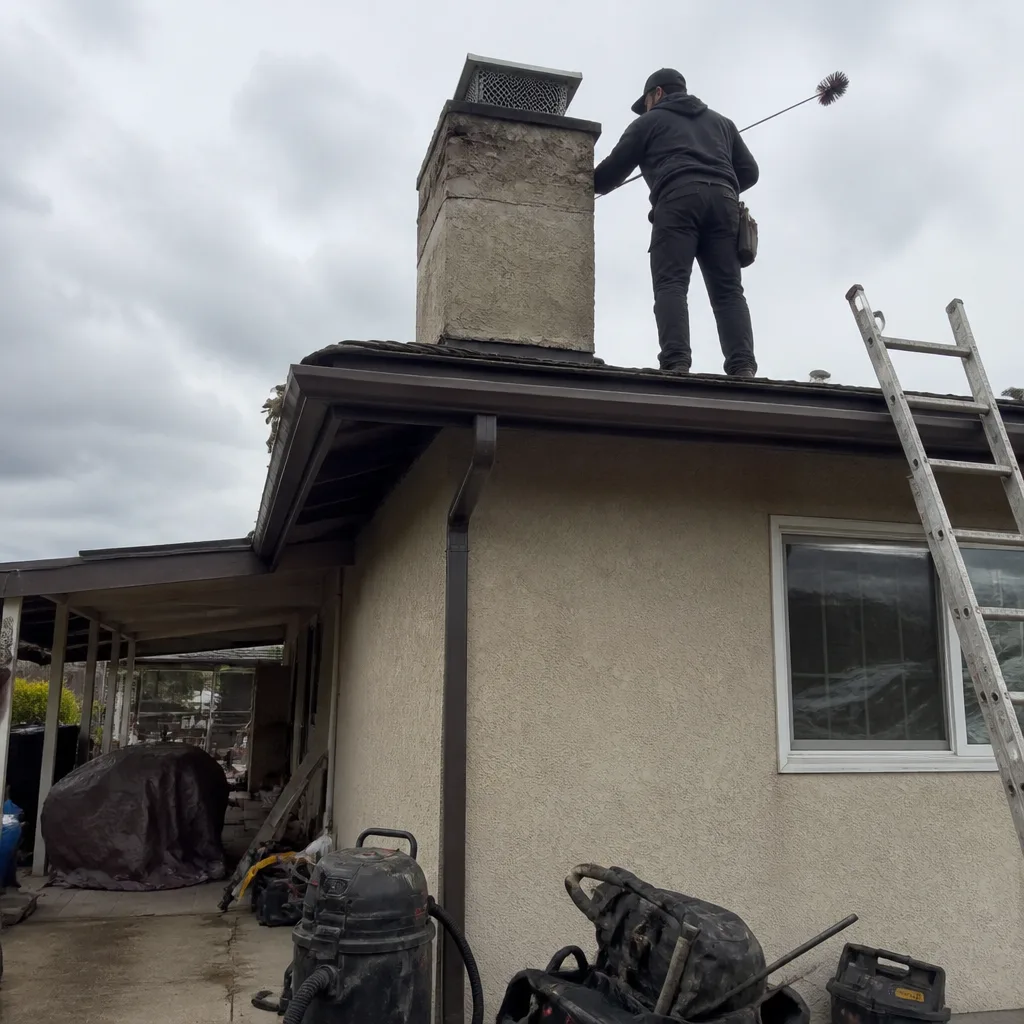 Before
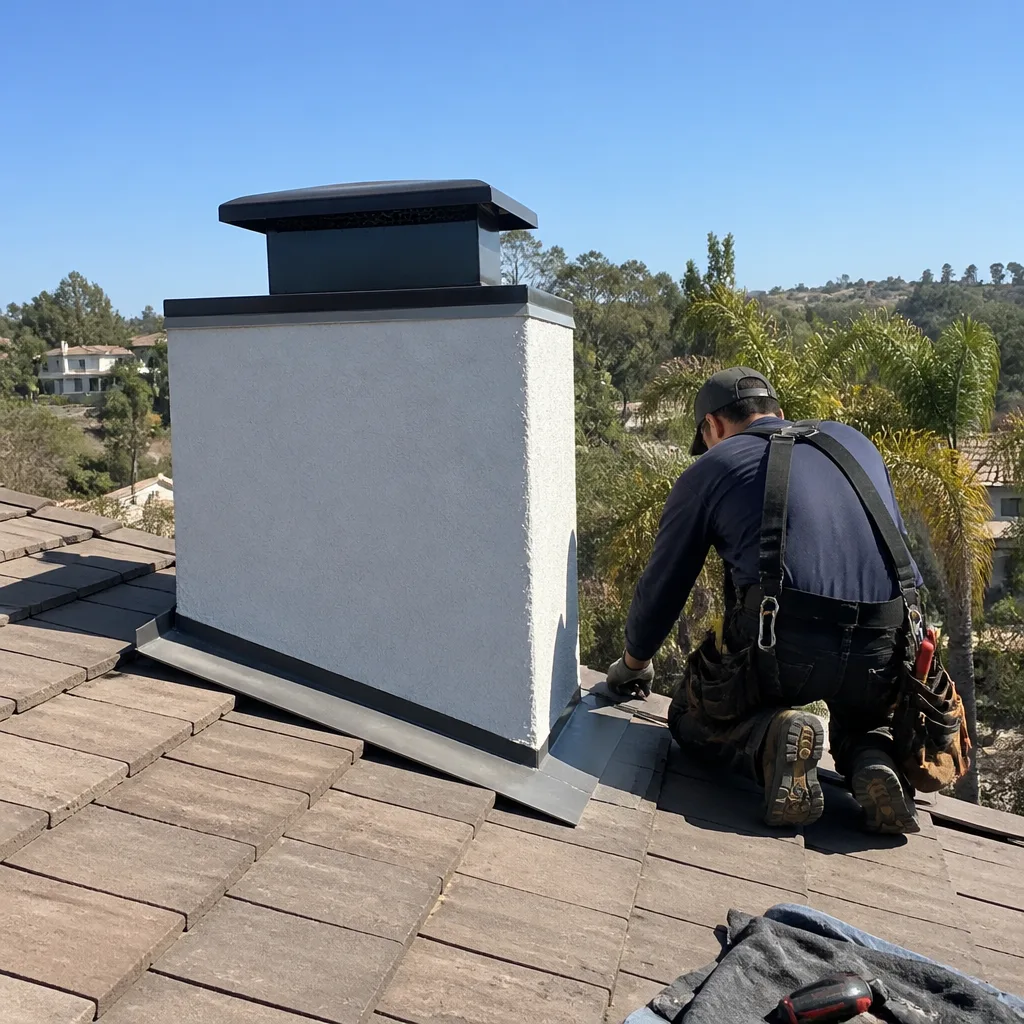 After
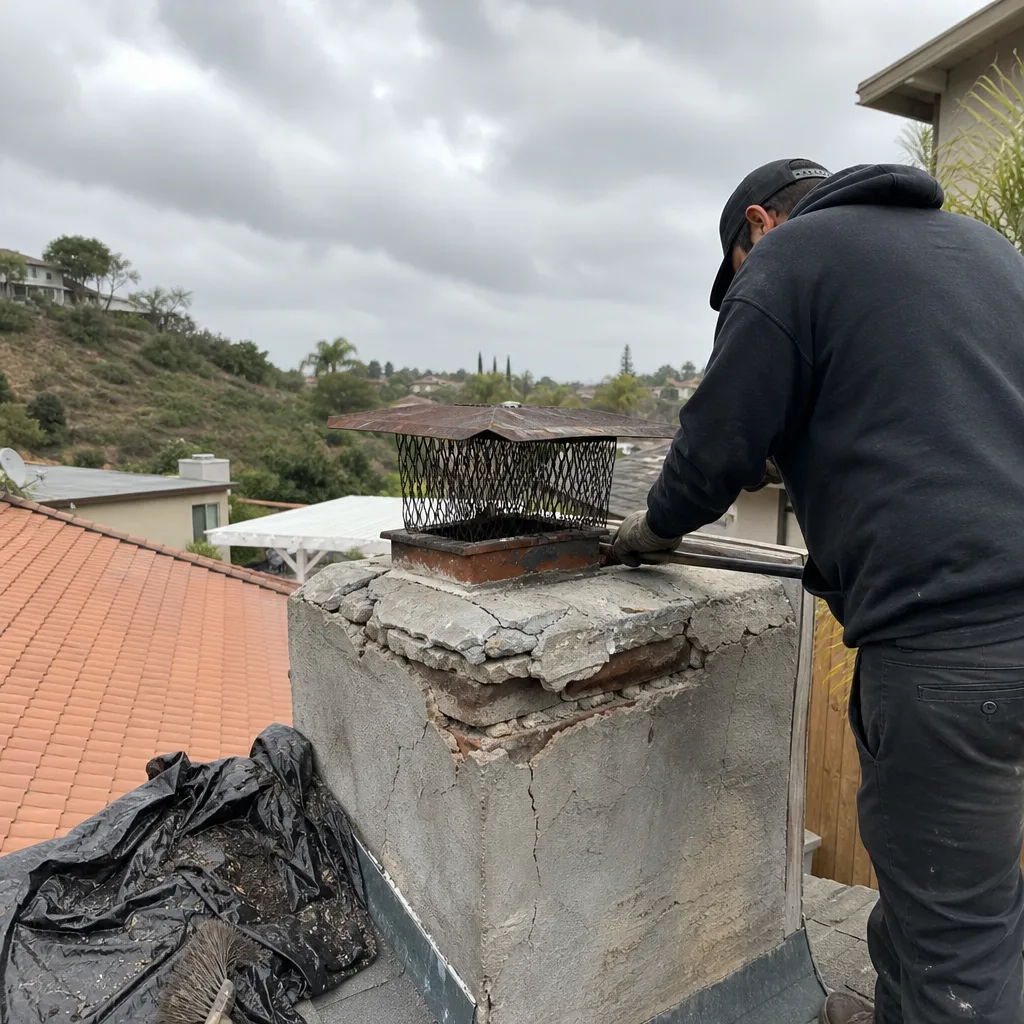 Before
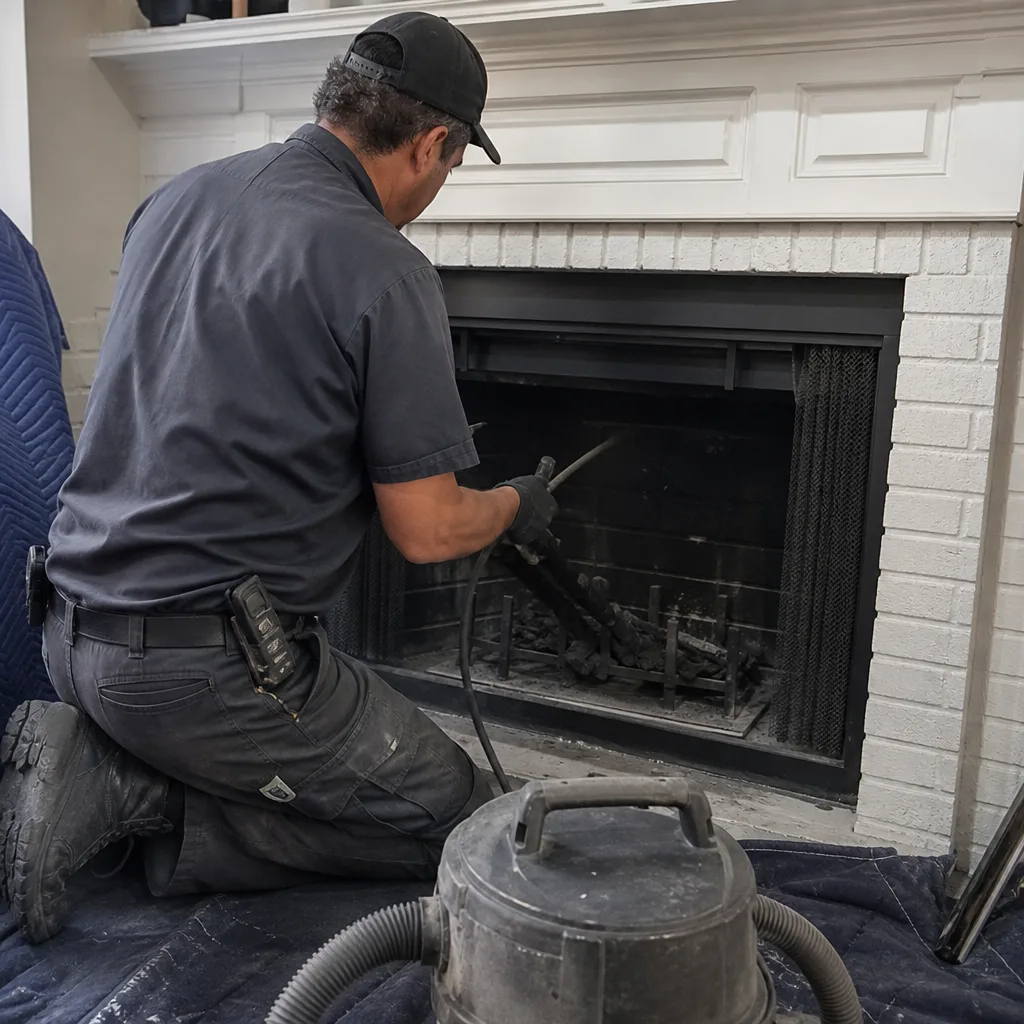 After
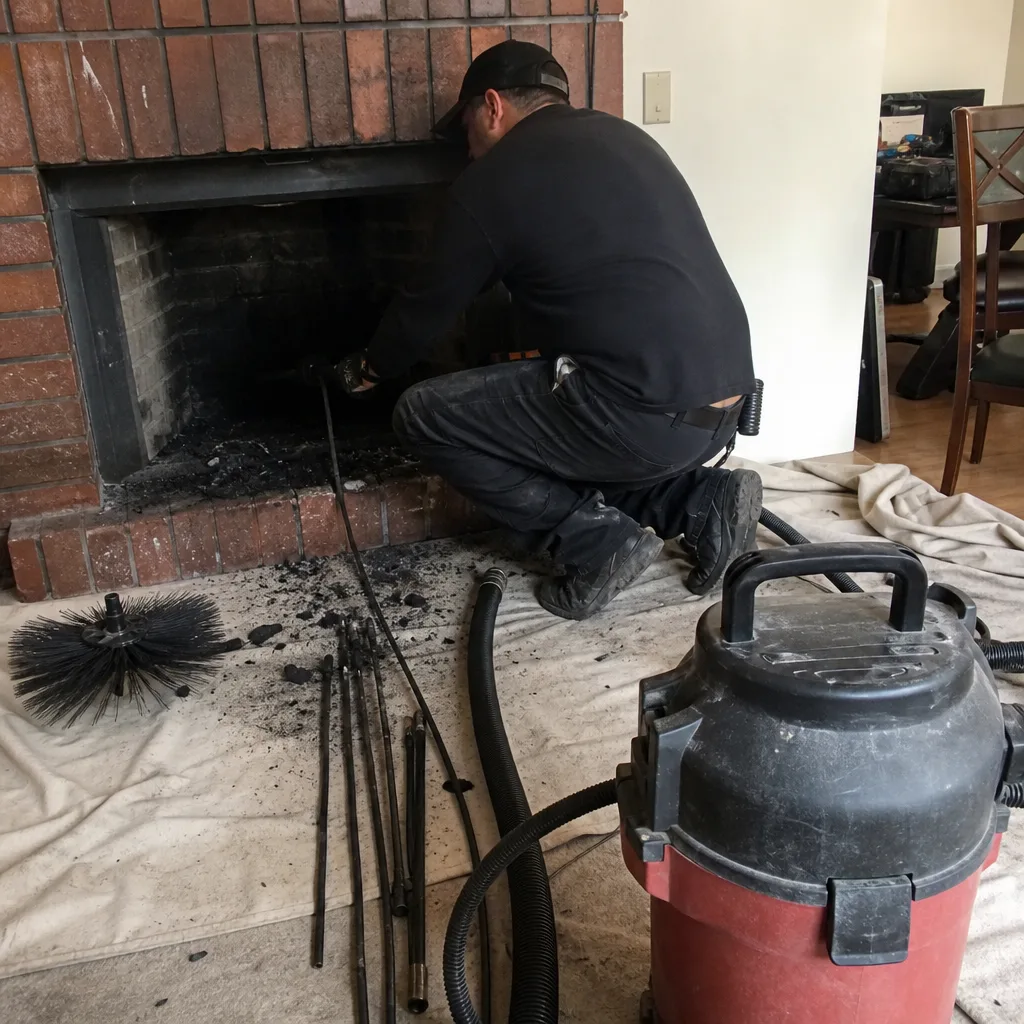 Before
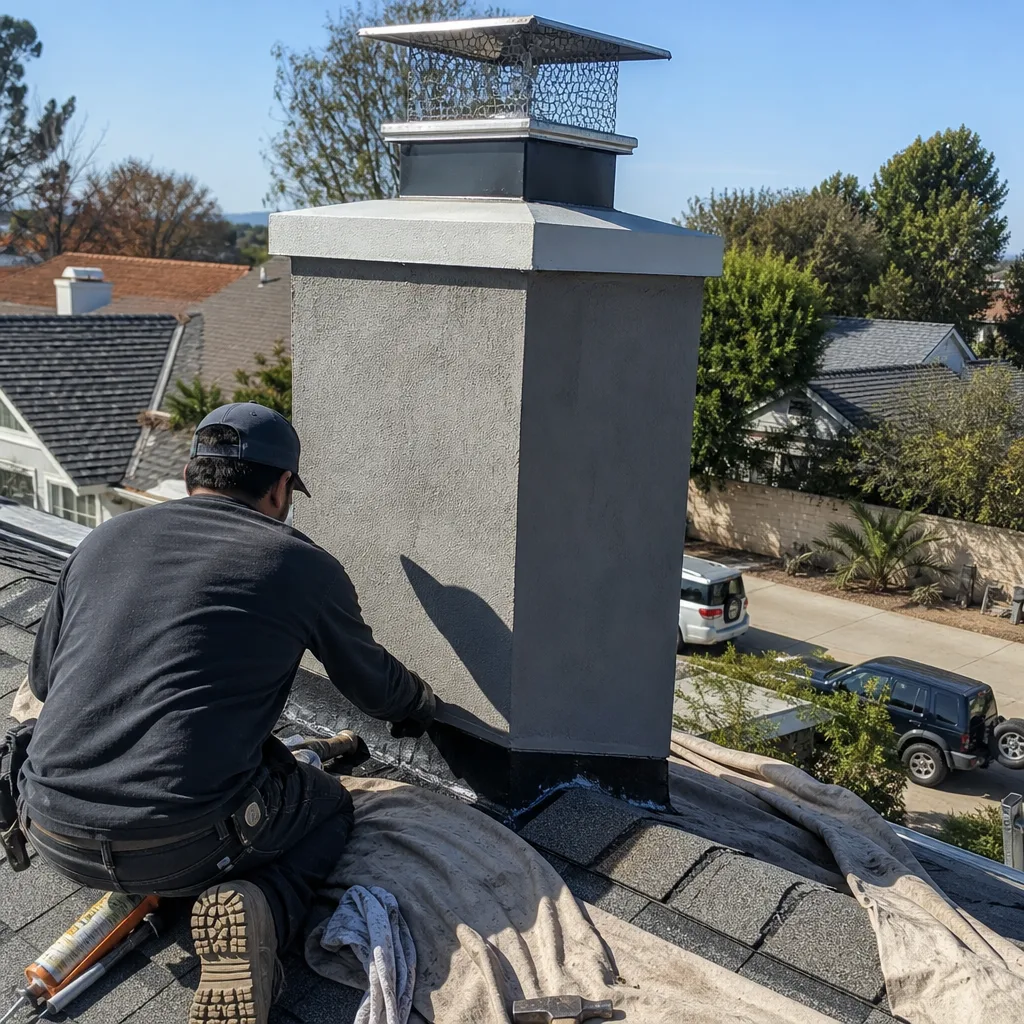 After
When to Call a Professional
Call a chimney professional when you see spalling brick, white staining on the exterior masonry, a rusted or missing cap, or when you smell a campfire odor inside the house on days you haven’t burned anything. That odor means creosote has been absorbed into the masonry and the flue is not venting properly. Call if you’ve been told by a previous inspector that you need a repair and you want a second, more complete opinion. And call if you’ve never had a camera inspection on an older home. The problems a camera finds are often inexpensive to fix early and very expensive to fix late. Millbrook Chimney Sweep offers free estimates in Vista and serves the entire city, including Shadowridge, Buena Vista, and the surrounding unincorporated areas. Call (833) 589-9711 to schedule.
Frequently Asked Questions
Chimney repair in Vista typically ranges from $350 for a crown reseal to $2,500 to $6,000 for a full stainless steel liner installation, depending on chimney height, access, and the condition of the existing structure. HeatShield flue restoration usually falls between $1,500 and $3,500. Every chimney is different, and the only way to get an accurate number is a camera inspection. Call (833) 589-9711 for a free estimate.
A chimney can look fine from the outside while the flue liner inside is cracked, spalled, or missing entirely. Vista’s wet-dry climate accelerates flue tile deterioration, and a fireplace that hasn’t been camera-inspected in years may have hidden damage. Without a continuous, intact liner, combustion gases and carbon monoxide can leak into wall cavities. The only way to know is to look inside with a camera.
The National Fire Protection Association recommends a chimney sweep whenever creosote buildup reaches 1/8 inch, which for most Vista homeowners burning intermittently during winter works out to every one to two years. Gas fireplaces should be inspected annually even though they don’t produce creosote, because the flue can still be deteriorating. At Millbrook Chimney Sweep home, we include a full safety check with every cleaning.
Creosote buildup above 1/8 inch is a code-1 fire hazard that can ignite at normal fireplace temperatures and burn at over 2,000 degrees, cracking flue tiles and spreading to the home’s framing. A cracked flue liner allows carbon monoxide, a colorless and odorless gas, into living spaces. These are not rare or hypothetical outcomes; they are the documented causes of thousands of chimney fires and poisonings every year.
HeatShield is a ceramic restoration system applied to the interior of the existing flue, sealing cracks and restoring integrity without removing the old tiles. A new liner, such as a DuraFlex stainless system, replaces the venting path entirely with a continuous metal sleeve. HeatShield is appropriate when the flue tiles are cracked but still in place. A new liner is appropriate when the flue is too far gone for coating, or when the appliance’s venting requirements demand a listed stainless liner.
We repair them, and we do the work ourselves. Millbrook Chimney Sweep installs DuraFlex liners, applies HeatShield restoration systems, fabricates and installs Gelco caps, and performs full chimney repair in Vista. Our dryer vent cleaning in Vista service extends the same fire-safety standard to the exhaust system that most chimney companies ignore. One call handles inspection, cleaning, and any repair we find.
The Bottom Line
Choosing the right chimney cleaning brand in Vista comes down to materials, capability, and accountability. The brand of liner, restoration system, or cap a contractor installs tells you whether they’re solving problems or covering them up. DuraFlex and HeatShield exist because chimney failures are specific and engineered solutions outperform generic substitutes every time. Ask the questions in this guide. Demand camera documentation. And hold your contractor to the standard that the material, not the sales pitch, defines. If you’re in Vista or the surrounding area and want an honest assessment of your chimney’s condition, call Millbrook Chimney Sweep at (833) 589-9711. We’ll show you what we find, explain what it means, and give you a repair plan you can verify.
Written by the team at Millbrook Chimney Sweep, serving Vista since 2014.