
Last updated November 2, 2026
 Sweep & inspection
 Caps & crowns
 Flue relining
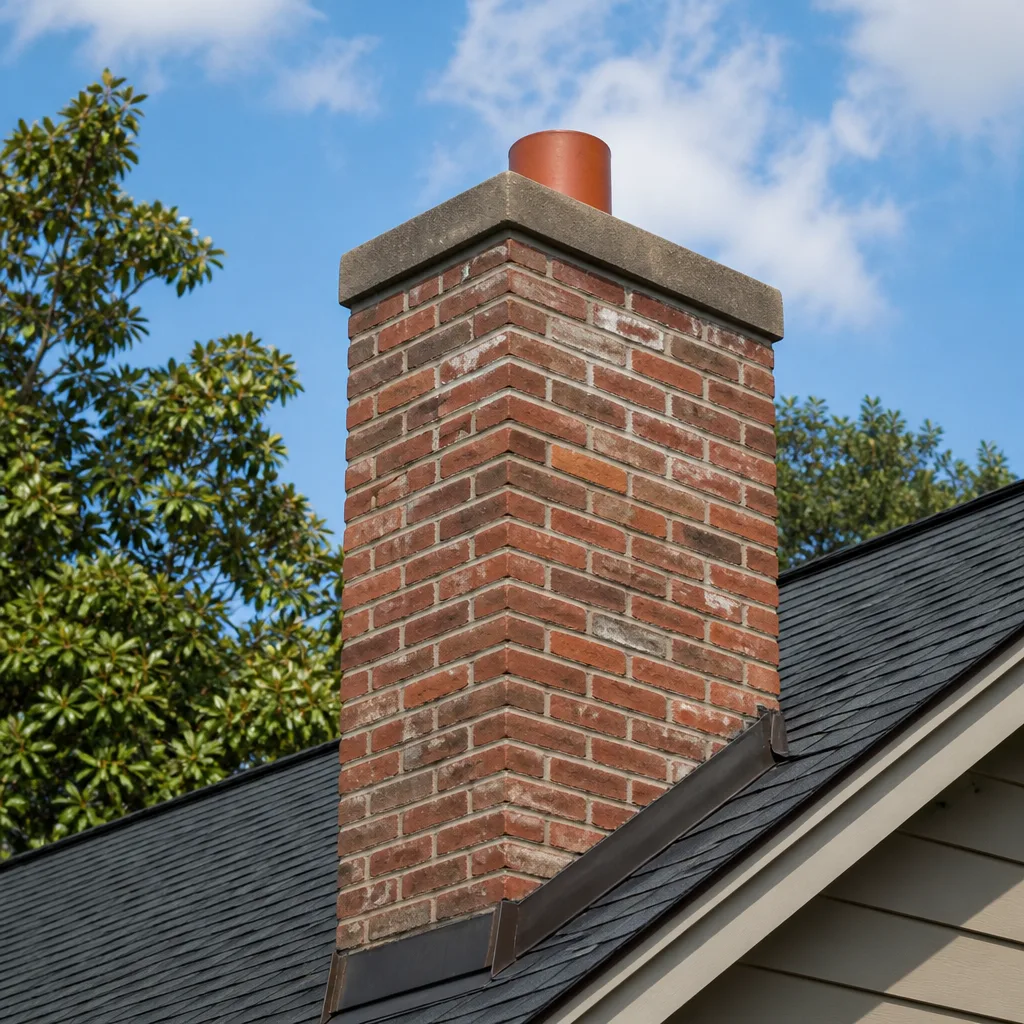 Masonry repair
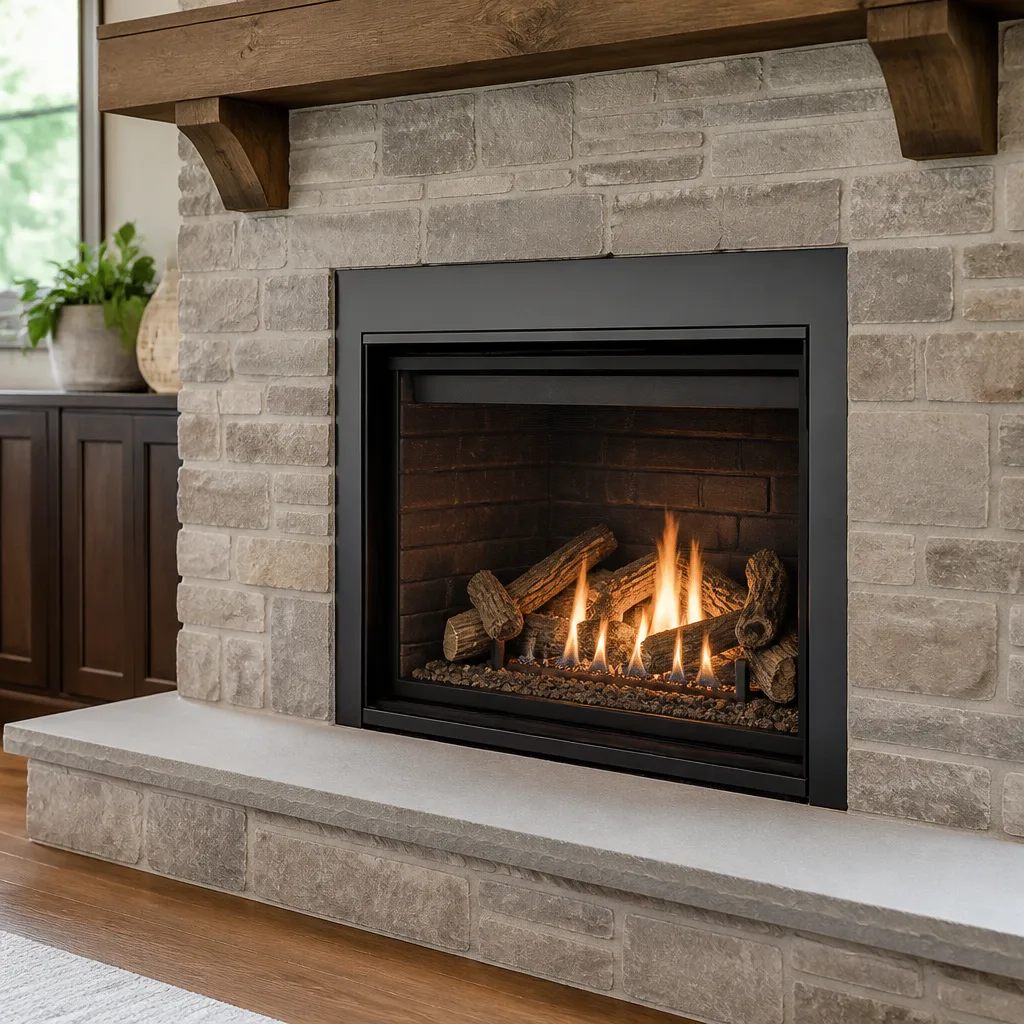 Gas fireplace service
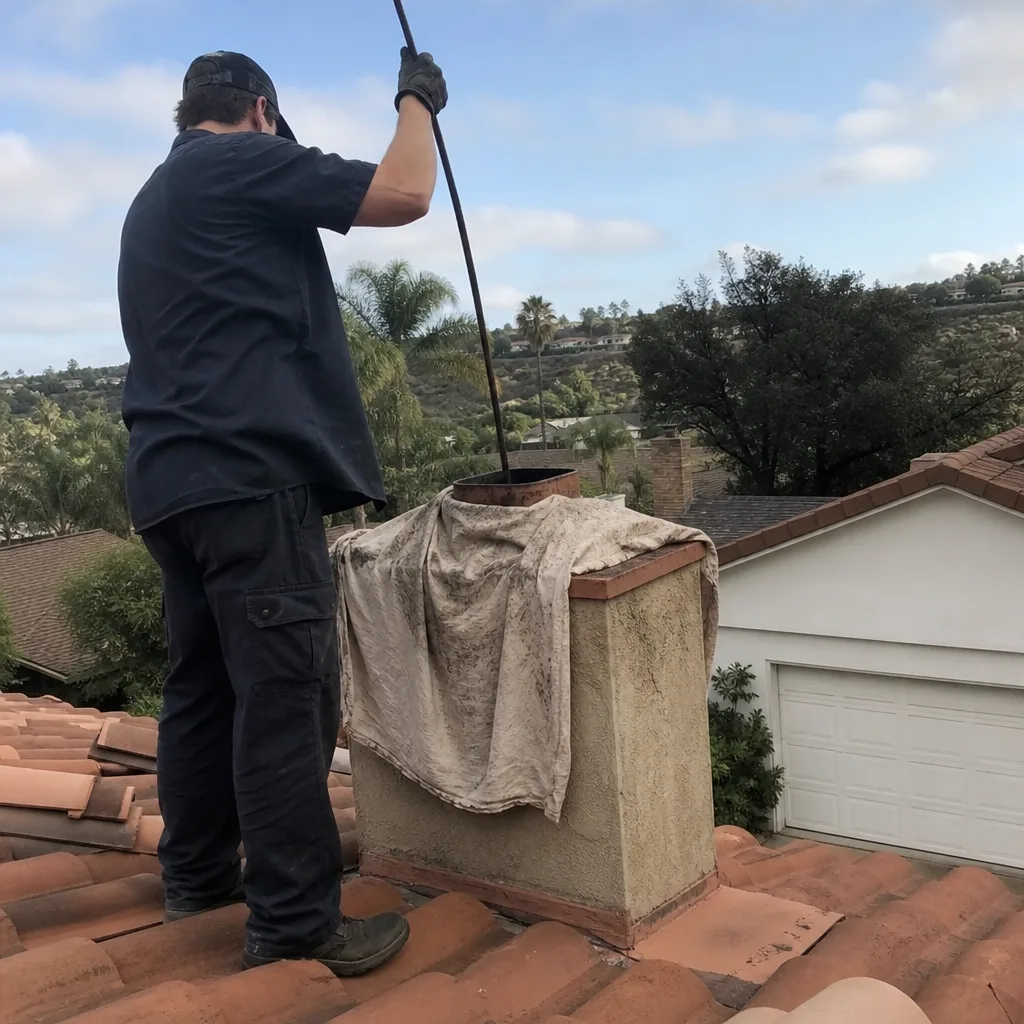
Level 1 sweep and inspection to the NFPA 211 annual standard - flue, crown, cap, and flashing checked and photographed
Chimney sweep logs do not sweep chimneys. They loosen some creosote - which then falls where a brush and vacuum still have to collect it.
DIY vs Professional Chimney Cleaning: The Vista Homeowner’s Decision Guide
Here’s a number that should stop you cold: according to the National Fire Protection Association, the leading factor in home heating fires is failure to clean chimneys. Not faulty construction. Not bad luck. Simple neglect of a system that hides its deterioration behind brick and mortar. In Vista, where hundreds of homes still burn wood through aging masonry chimneys built before modern lining standards, that neglect gets compounded by salty coastal air, temperature swings, and a local fuel source that creates more creosote than most homeowners realize. This guide will show you exactly where the line sits between what you can safely handle yourself and what needs a trained eye, a rotary brush, and a documented inspection record. For how to hire a chimney cleaning contractor in Vista, see our step-by-step guide.
Quick Answer
DIY chimney cleaning is acceptable for basic firebox maintenance and ash removal, but it cannot address creosote buildup above the firebox, hidden flue damage, or the documentation your insurer expects after a chimney fire. In Vista specifically, older unlined masonry chimneys and eucalyptus wood burning create risks that household cleaning equipment simply can’t see or remove. The practical answer: sweep the firebox yourself if you want, but have a professional inspect and clean the full flue at least once per burning season.
Styles & brands we work with
- Sweep & inspection
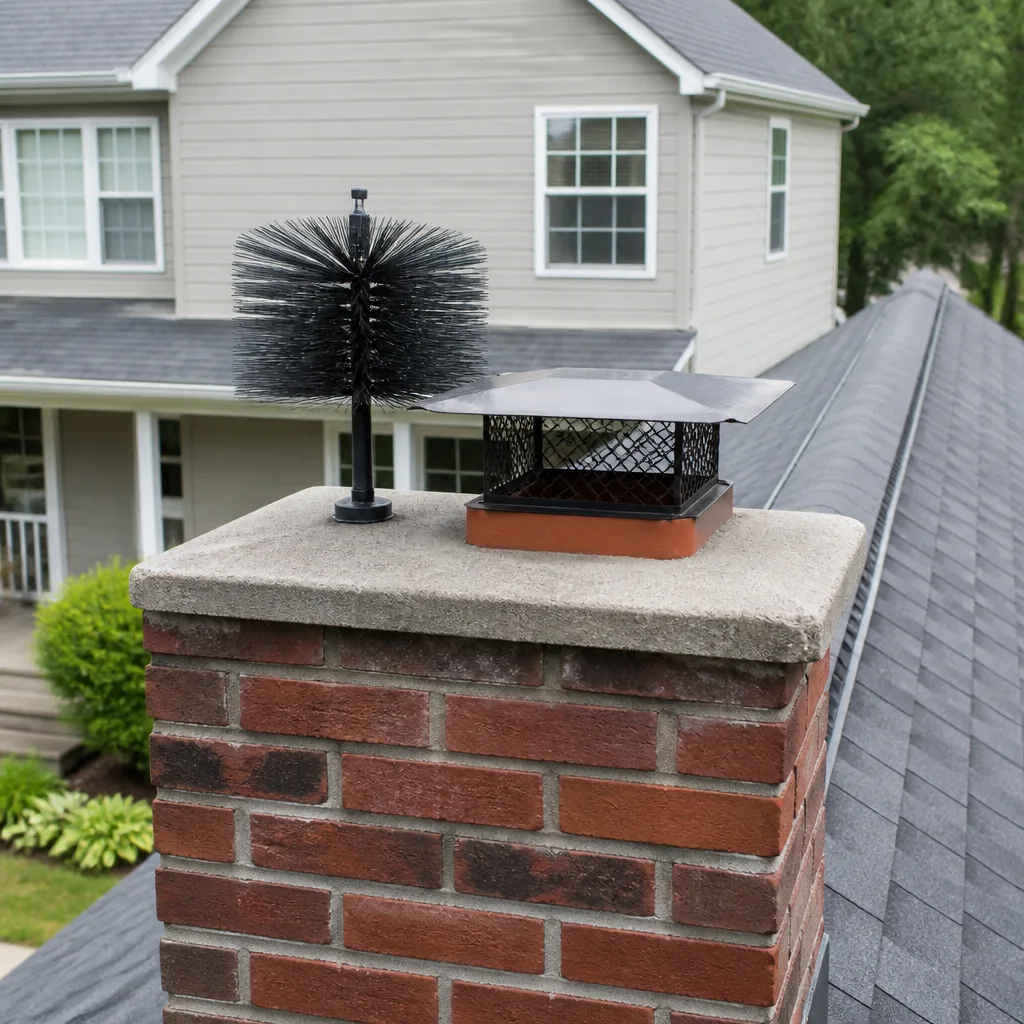
- Caps & crowns
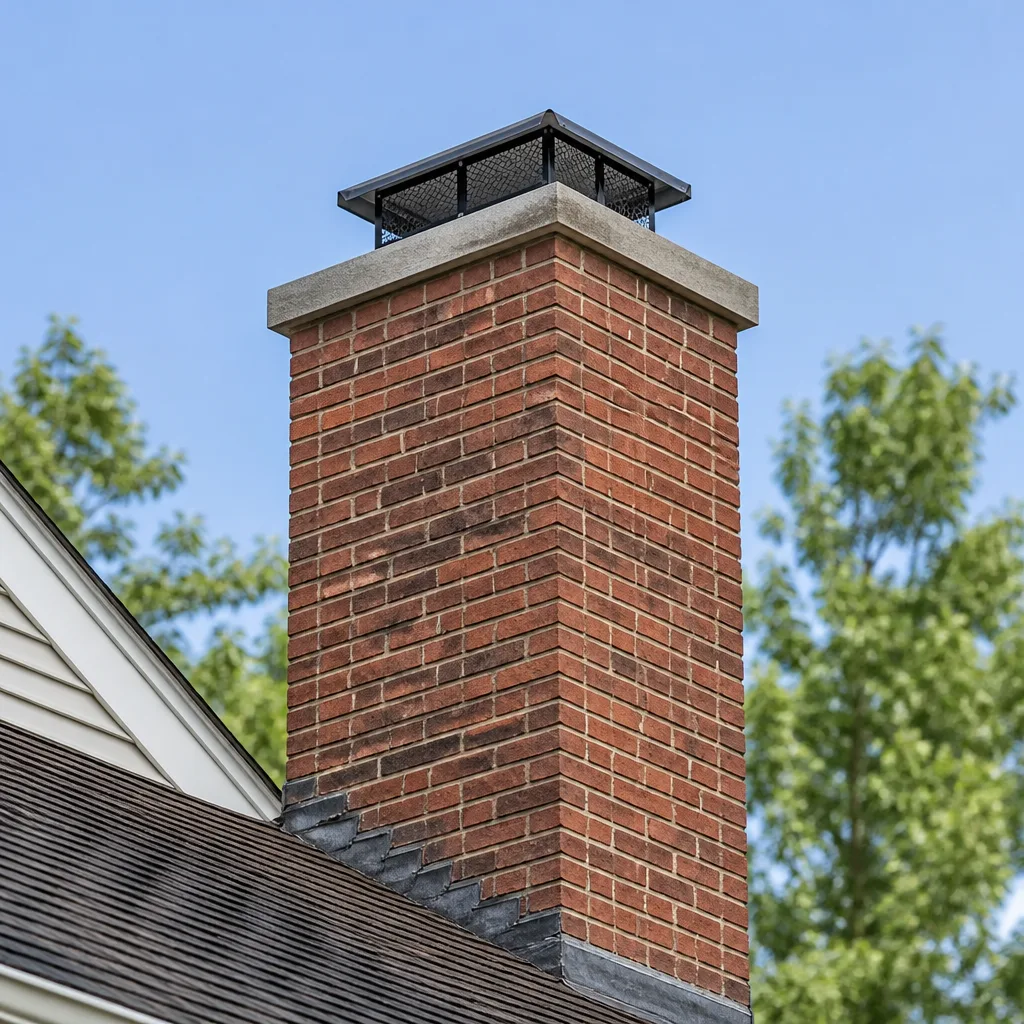
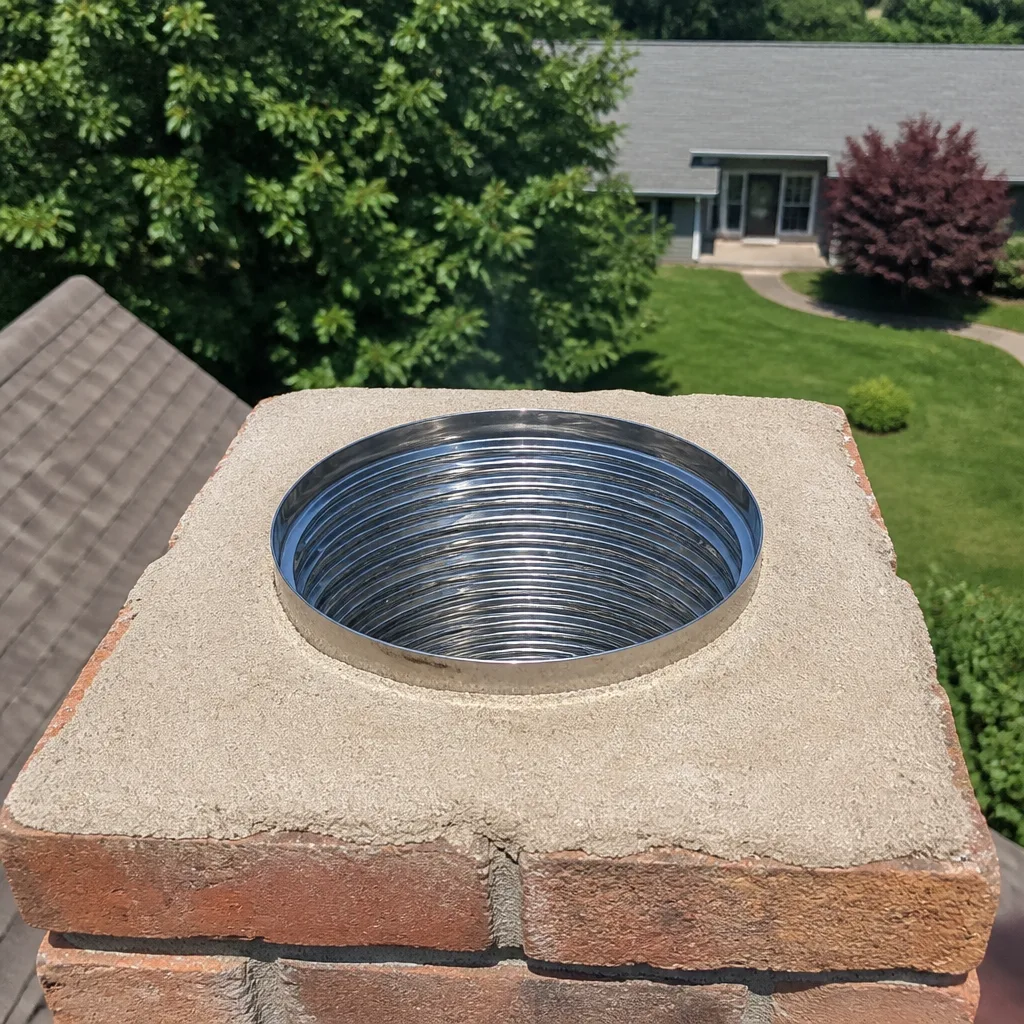
- Flue relining
- Masonry repair
- Gas fireplace service
Table of Contents
- What DIY Chimney Cleaning Can Actually Do
- What DIY Equipment Leaves Behind: The Creosote Problem
- Why Vista’s Homes and Weather Change the Equation
- The Insurance Question: What Happens Without a Professional Record
- Cost Comparison: DIY Supplies vs. Professional Sweep in Vista
- What a Professional Cleaning Actually Produces
- When DIY Is Genuinely Fine (and When It’s Not)
- Common Mistakes to Avoid
What DIY Chimney Cleaning Can Actually Do
Let’s start with honesty. You can clean your firebox, and you should. A stiff wire brush, a metal ash bucket, and a shop vacuum with a HEPA filter will handle the ash bed and the visible soot on the firebox walls. This is weekly or biweekly maintenance during burning season, and it’s something every wood burner in Vista should be comfortable doing. You can also inspect the damper plate, check that it opens and closes freely, and look up the flue with a flashlight to see if there’s obvious flaking or a heavy black coating you can reach with a brush. And you can inspect the chimney cap from the ground with binoculars, looking for missing screens, rust, or a cap that’s shifted.
That’s the full list. Not because we want to protect our trade, but because the flue above the damper is not accessible from below without tools that most homeowners don’t own and shouldn’t buy. The National Chimney Sweep Guild sets professional standards for a reason: a flue brush on fiberglass rods can reach fifteen or twenty feet up, but it cannot tell you whether the flue tile behind the brush is cracked. It cannot break up stage-three glazed creosote, which is more like tar than soot. It cannot tell you if the flue was built without a liner at all, which we still find regularly in Vista homes built before 1960. What you can do is keep the firebox clean, note changes in how your fireplace draws, and call someone when the signs point upward.
What DIY Equipment Leaves Behind: The Creosote Problem
Hardware store chimney cleaning kits are built around the idea that creosote is a uniform, brushable substance. That’s only true for stage-one creosote, the flaky black dust that forms during hot, efficient burns. Stage-two creosote is a hardened, tar-like glaze that clings to flue walls and resists brushing. Stage-three creosote is the dangerous one: a thick, shiny, caramelized layer that requires chemical treatment or a rotary cleaning head to remove. Homeowners burning eucalyptus in Vista’s cooler months are especially vulnerable to stage-two and stage-three buildup, because eucalyptus burns hot but produces heavy, oily resins that condense rapidly on cooling flue walls.
We’ve opened flues in Vista where the homeowner had been “cleaning” with a store-bought brush for years, and behind the brushable layer sat an eighth-inch of hardened glaze. The brush never touched it. Professional rotary systems, like the Wohler or SootEater systems we run, use chains or steel whips spinning at high RPM to break that glaze free without damaging the flue tile. That equipment costs significantly more than a $50 brush kit, and it requires training to use without cracking older clay tiles. The gap between a homeowner’s brush and a professional rotary clean isn’t a matter of effort. It’s a matter of physics.
Why Vista’s Homes and Weather Change the Equation
Vista sits inland enough to avoid the worst marine layer, but the air still carries moisture from the Pacific, especially in the mornings. That moisture matters for chimneys because it accelerates the corrosion of metal components and the deterioration of mortar joints. A chimney cap that’s rusted through lets rain directly into the flue, which mixes with creosote to create an acidic slurry that eats at clay tile and brick. We regularly see homes in the Shadowridge and Buena Creek neighborhoods where cap damage went unnoticed for years and the upper flue tile is spalling, flaking in layers, because rain and creosote had been combining up there. No amount of brushing from the firebox deals with that.
Then there’s the wood itself. Vista’s older eucalyptus windrows are a beloved part of the landscape, but the wood is heavy with oils that produce dense smoke and rapid creosote accumulation. Gum eucalyptus burns hot and fast, and if you’re burning it frequently, you may need two cleanings per season rather than one. The species matters as much as the frequency of use. And the single biggest factor in Vista: many homes in the older core, the neighborhoods around Eucalyptus Avenue and Foothill Drive, have original masonry chimneys that predate modern lining standards. An unlined flue means there’s no smooth conduit carrying smoke upward. There’s just brick and mortar, with every rough joint a trap for creosote. In those homes, the line between what a homeowner can see and what’s actually happening inside the chimney is wide, and no DIY guide on the internet can close it.
The Insurance Question: What Happens Without a Professional Record
Here’s a scenario we don’t see discussed often enough. Your chimney catches fire. You catch it early, the fire department comes, and the emergency is over. Then the insurance adjuster arrives and asks a question: when was your chimney last professionally cleaned and inspected? If the answer is that you clean it yourself, you now have no third-party record, no named responsible party, and no evidence that the chimney met safety standards at the start of the season. The insurance company is not required to take your word for it. A professional cleaning produces an invoice, a service record, and in many cases a written inspection report noting the flue’s condition on a specific date. That document is your answer to the adjuster’s question. It’s also your earliest warning if a flue tile was cracked before the fire, not because of it.
We’re not saying insurers will deny every claim without a professional record. But we are saying that the absence of a record makes a denial much easier, and the burden of proof shifts to you. That’s not a risk worth taking for the difference between a $250 professional sweep and a $50 brush kit. See our chimney cleaning cost breakdown for Vista homeowners to understand what drives pricing. In Vista, where many homes are 40 to 70 years old, the age of the chimney makes that insurance question more urgent, not less.
Cost Comparison: DIY Supplies vs. Professional Sweep in Vista
The upfront math is seductive: a basic brush kit runs $40 to $80, a shop vacuum you might already own, and an afternoon of your time. A professional chimney sweep in Vista typically runs between $180 and $325 for a standard fireplace and flue, depending on the height of the flue, the severity of the buildup, and whether the chimney has a cap or spark arrestor that needs removal. On paper, DIY wins every time. But that comparison only works if the two services are delivering the same result, and they are not.
| Item | DIY Cost | Professional Sweep |
|---|---|---|
| Equipment / service | $40 – $80 (brush kit) | $180 – $325 (full sweep) |
| Time required | 2 – 4 hours | 1 – 2 hours, on-site |
| Creosote removal | Stage 1 only, best case | Stages 1 – 3, with rotary equipment |
| Flue inspection | Visual from below only | Full length, often with camera |
| Cap, crown, damper check | Ground-level only | Full evaluation, with repair options |
| Documentation | None | Invoice + inspection record |
| Warranty | None | Workmanship warranty on the sweep |
The professional sweep also includes something no kit provides: a named, insured company standing behind the work. If a stove brush damages a flue tile, you eat the repair. If our equipment does, we repair it. That’s the difference between a tool purchase and a service contract. And for gas fireplaces in Vista, where venting can be through a direct-vent pipe or a full masonry flue, the inspection aspect matters as much as the cleaning, because gas vents burn cooler and can develop moisture issues that a homeowner would never see without a mirror or camera.
What a Professional Cleaning Actually Produces
A legitimate professional sweep is more than a brushing. Here’s the sequence we follow, and what it produces that a DIY clean cannot:
- Setup and protection: Drop cloths, a HEPA vacuum running at the firebox, and a seal plate to keep the fly ash in the chimney, not your living room.
- Top-down or bottom-up cleaning: We run a rotary whip or brush the full length of the flue, removing stage-one through stage-three creosote and any debris like leaves, nests, or fallen mortar.
- Component inspection: Damper operation, smoke shelf clearance, flue tile condition, cap and spark arrestor, crown mortar, and flashing at the roof line.
- Camera inspection where indicated: If the brush pulls unusual material or if the chimney is over 50 years old, we can run a camera up the flue to see hairline cracks, spalling, or failed mortar joints.
- Written report: Everything we found, what we cleaned, what should be monitored, and what needs repair now. That report is your insurance documentation.
That last item is the one that carries weight after a chimney fire. Not the cleaning itself, but the record that the cleaning happened, on a specific date, with specific findings. No homeowner can produce that for themselves, because the value of the document depends on the independence of the person who wrote it.
When DIY Is Genuinely Fine (and When It’s Not)
We’re not absolutists. There are situations where DIY maintenance is appropriate and we’d tell you so directly. The honest truth about chimney care is that it’s a spectrum, not a binary.
DIY is genuinely fine for:
- Weekly or biweekly ash removal during burning season
- Brushing soot from the firebox walls and floor
- Checking the damper’s open/close operation
- Ground-level visual checks of the cap and crown with binoculars
- Checking for visible smoke staining on the exterior wall near the chimney
DIY is not fine for:
- Removing stage-two or stage-three creosote from the flue
- Cleaning a chimney on a home built before 1960 without knowing whether the flue is lined
- Any chimney where you’ve burned eucalyptus or wet wood regularly
- A chimney that’s been dormant for multiple seasons and may contain nests, dead animals, or debris
- Any home where you’re the new owner and have no service history for the chimney
That last one is common in Vista. People buy a 1968 ranch in Vista Heights, the sellers say the fireplace “works fine,” and no one has a record of the last sweep. That’s a professional call every time, because a new homeowner has no baseline for what “fine” means and no way to catch a cracked tile before the first fire of the season tests it.
Common Mistakes to Avoid
- Assuming a clean firebox means a clean flue. The firebox is where ash falls. The flue is where creosote condenses. They are different systems, and one being clean says nothing about the other.
- Burning “cleaning logs” and calling it done. Chemical cleaning logs can soften stage-two creosote, but they cannot remove it. They are a supplement to mechanical cleaning, not a substitute.
- Using a metal brush on any flue type without checking material. Steel brushes on some stainless liners can score the liner surface. The wrong brush does damage while cleaning.
- Ignoring the cap. In Vista’s damp mornings, a missing or damaged cap lets rain into the flue, which turns creosote acidic and destroys tile and mortar over time. A homeowner can spot a missing cap from the ground and still skip it because they never look.
- Burning eucalyptus as a primary wood. It’s free and abundant in Vista, but it produces heavy, oily smoke that builds creosote faster than oak or fir. If you burn it, sweep twice as often.
- Waiting for smoke backup to call. By the time smoke backs into the room, the flue is significantly obstructed. You’re reacting to a hazard instead of preventing one.
- Treating a chimney sweep as an optional luxurity. In any home with an active wood-burning fireplace, it’s a seasonal maintenance item, like checking your roof or flushing a water heater. The only question is who does it and how thoroughly.
See the difference
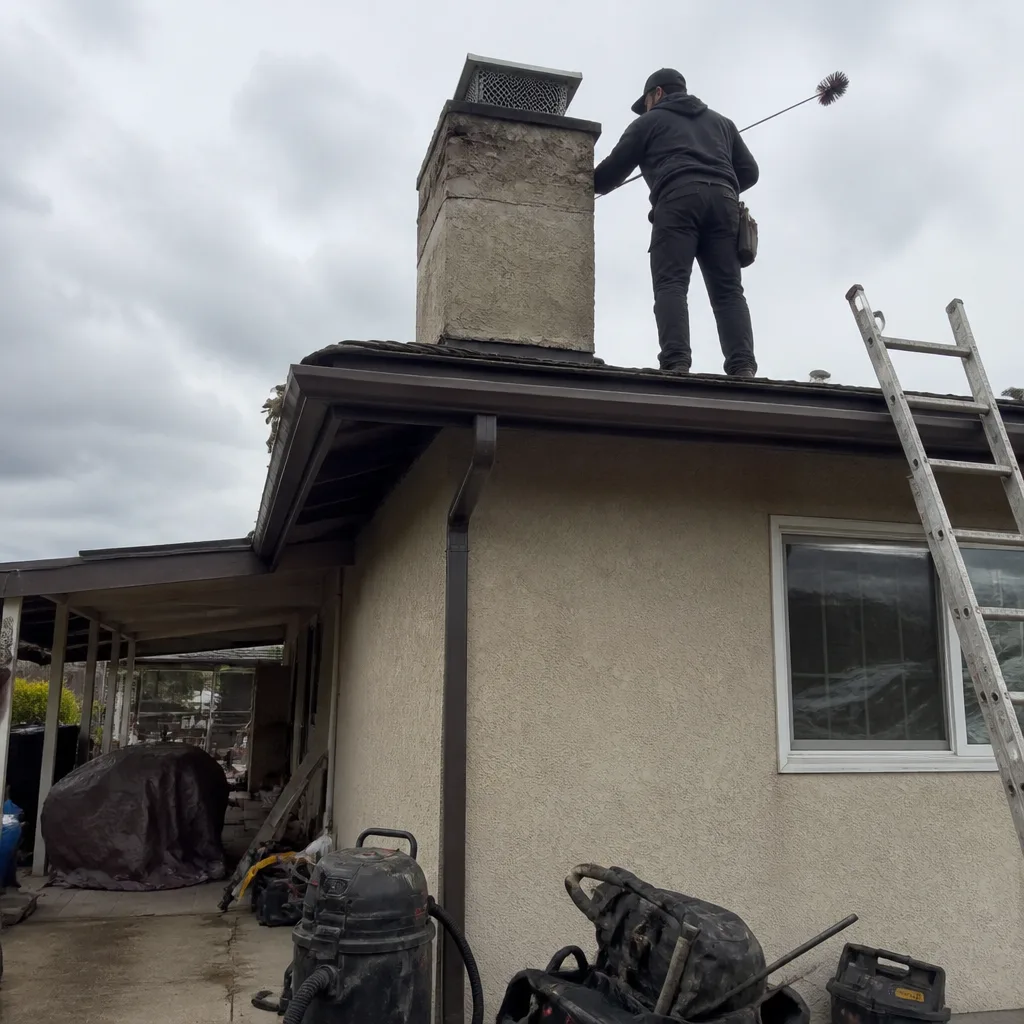 Before
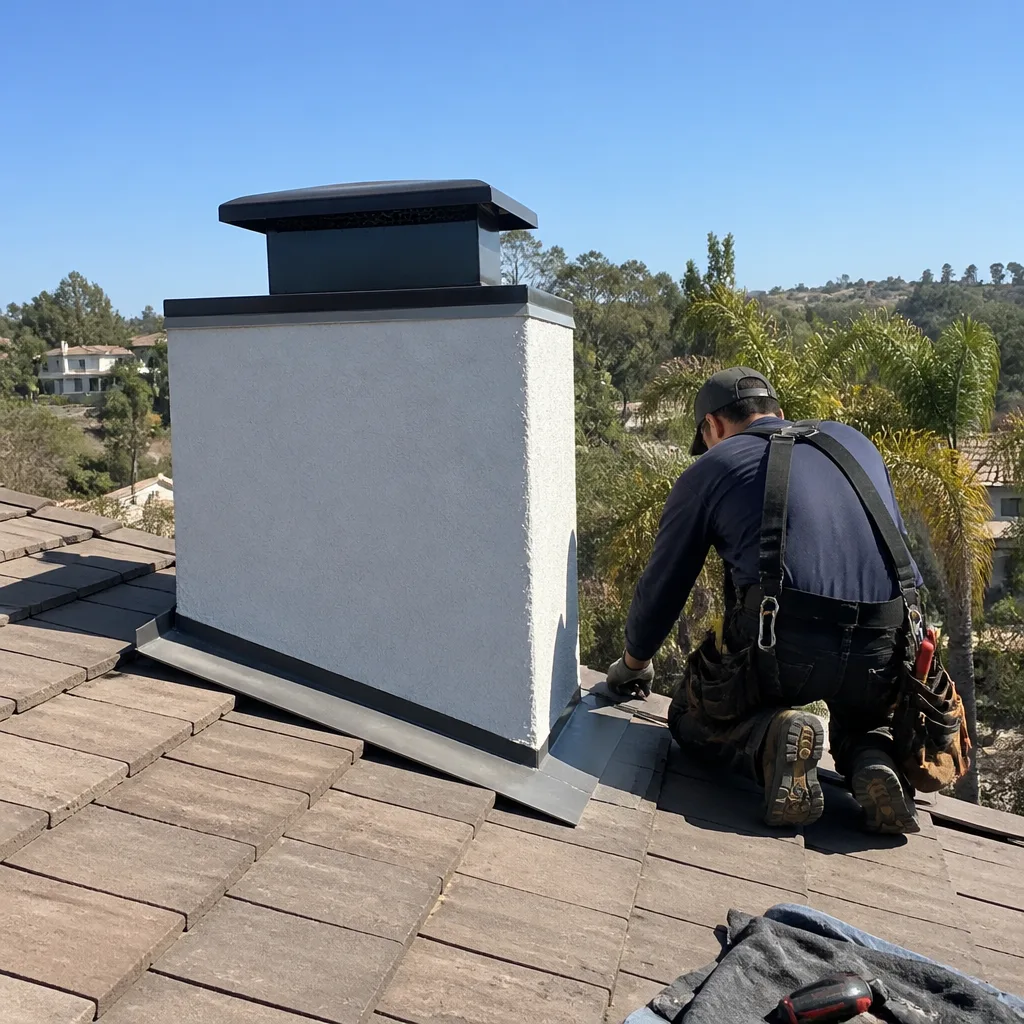 After
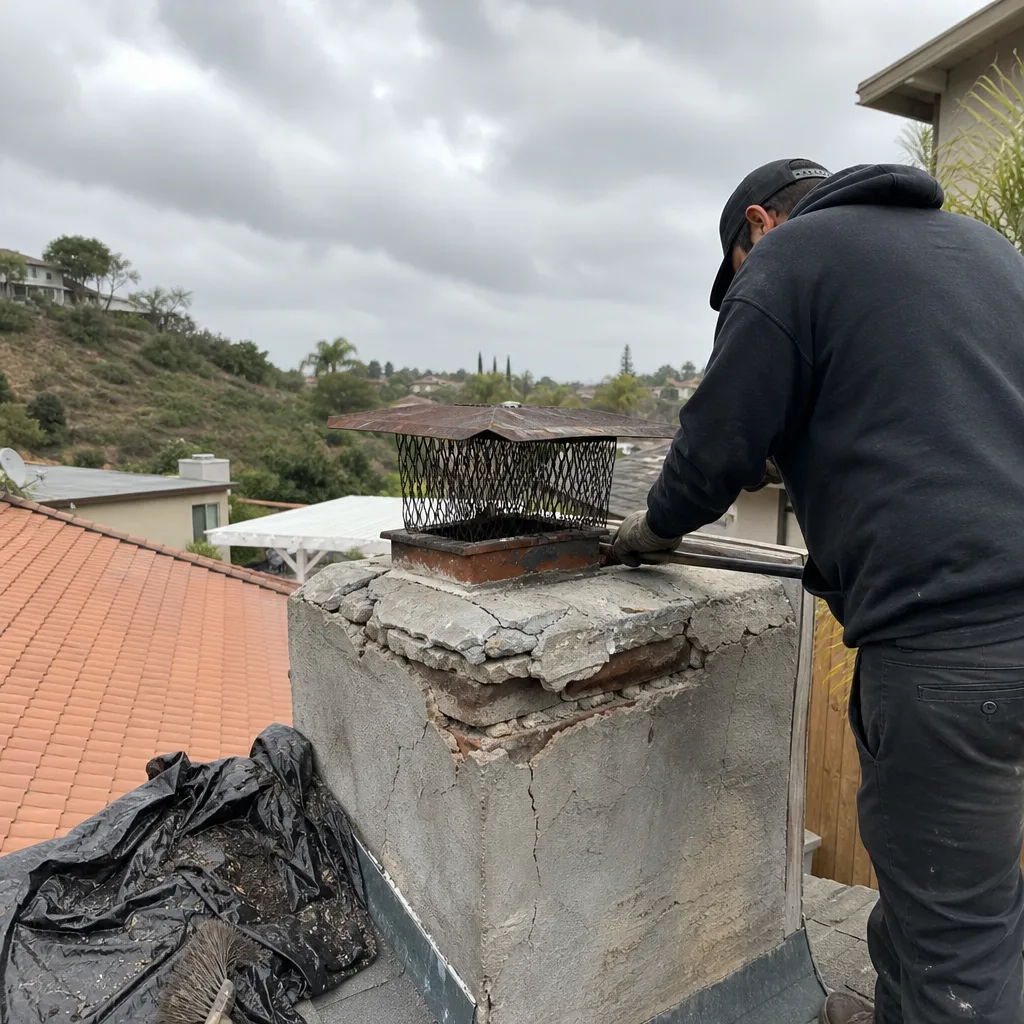 Before
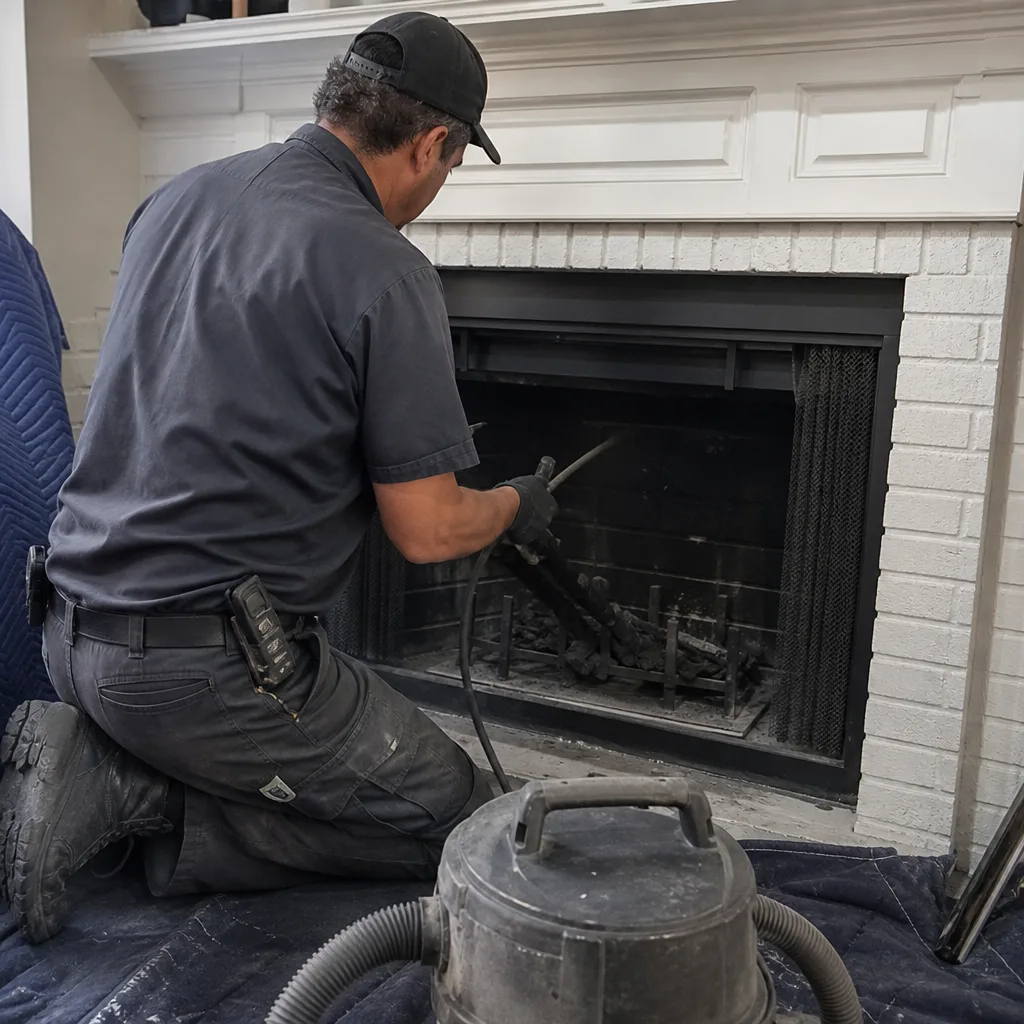 After
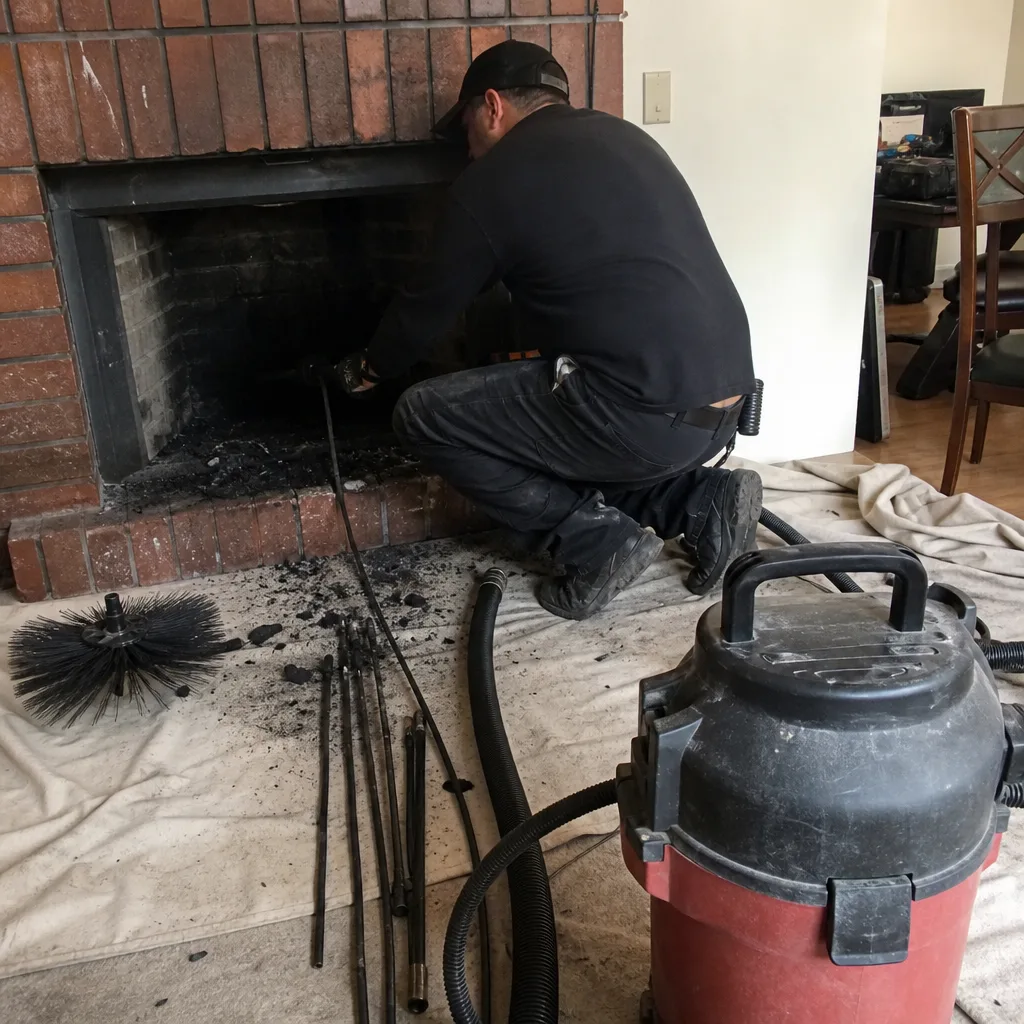 Before
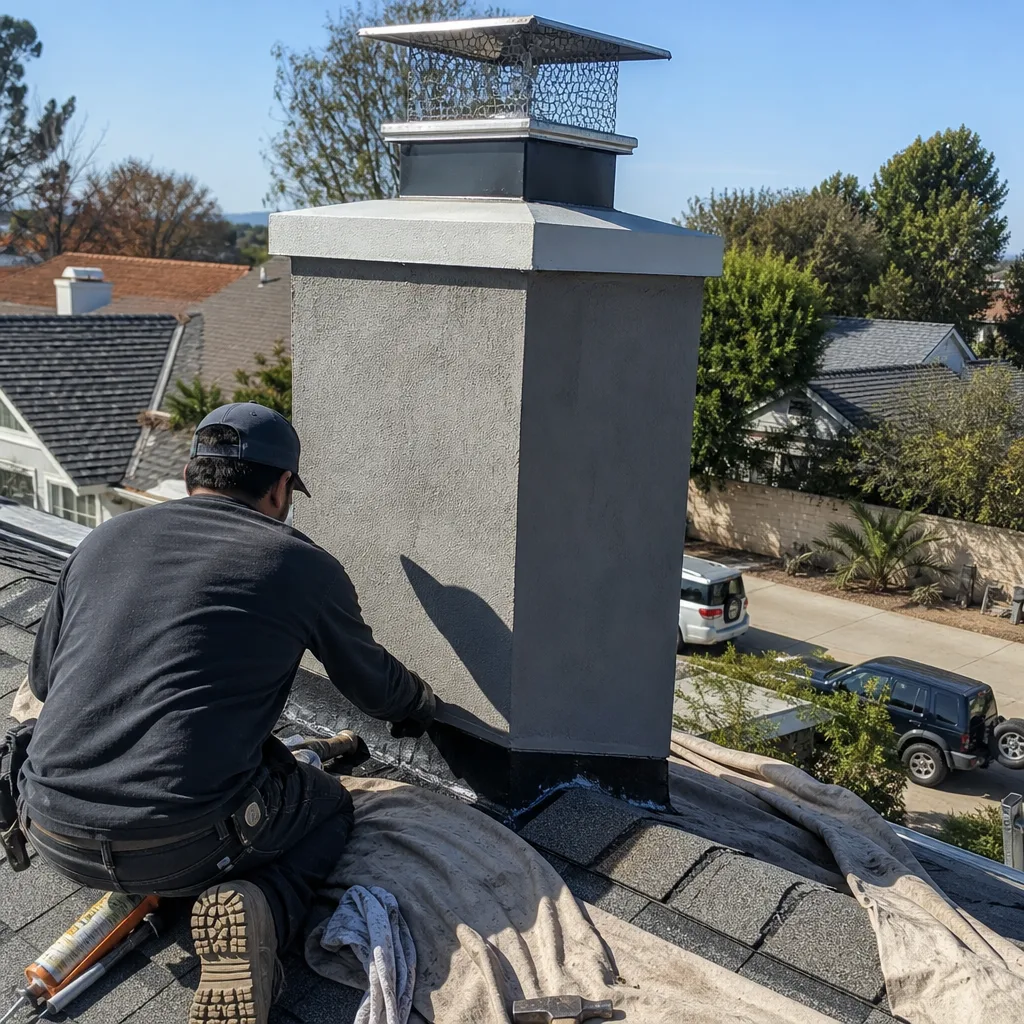 After
Frequently Asked Questions
A standard chimney sweeping in Vista runs between $180 and $325 for most homes, depending on flue height, creosote severity, and whether the cap needs removal to access the flue. Homes that haven’t been swept in multiple seasons or that have burned eucalyptus heavily tend toward the upper end of that range. Call Millbrook Chimney Sweep home at (833) 589-9711 for an exact quote on your chimney.
The National Fire Protection Association recommends an annual inspection and sweeping as needed. For Vista homeowners burning wood three or more nights a week during the winter, or burning eucalyptus, we recommend a sweep at the start of each burning season and a mid-season check if you notice heavy smoke or reduced draw. Our seasonal chimney cleaning care guide for Vista covers year-round maintenance timing. Gas fireplaces can go longer between cleanings but should still be inspected annually for vent blockage and moisture issues.
You can clean the firebox and remove ash yourself. You cannot clean the flue above the damper with household tools, and you cannot inspect the flue for cracks, spalling, or missing liner sections from below. We recommend homeowners handle firebox maintenance and leave the flue to professionals with rotary equipment and camera inspection capability.
Creosote builds up on the flue walls, and creosote is fuel. A spark or high heat from a fire can ignite it, causing a chimney fire that reaches 2,000 degrees, cracks flue tiles, and can spread to framing if the chimney is unlined or the tile is already damaged. In Vista’s older homes, that spread path is a real and documented risk. The most preventable house fire is the one that starts in a dirty chimney.
We handle both. Chimney repair in Vista is a core part of our service, not an afterthought. If we find a cracked flue tile, a damaged cap, or deteriorated mortar during a sweep, we can quote the repair on the spot and usually schedule it without you needing to find a second contractor. We work with professional-grade materials like HeatShield for firebox restoration and DuraFlex stainless liners when a chimney needs a new flue system.
Yes. Dryer vent cleaning in Vista is part of our full venting safety scope. According to NFPA data, dryer vents are the leading cause of appliance-related house fires, and many chimney companies don’t touch them. We treat dryer vent cleaning as a fire-safety service, not a side offering.
When to Call a Professional
Call a professional if your chimney hasn’t been swept in over a year and you burn wood regularly. Call if you’ve just bought an older home in Vista and have no service record for the chimney. Call if you see smoke backing into the room, if you notice a strong creosote odor in the house on humid days, or if you see black tar-like substance flaking down into the firebox. Call if you’ve been burning eucalyptus, pine, or wet wood and notice reduced draw. Call if there’s been any kind of chimney fire, even one you think burned itself out.
And call if you simply want the documentation. A professional sweep with a written report is the single most valuable piece of evidence you can hold if an insurance question ever arises. Millbrook Chimney Sweep offers free estimates in Vista, and we can look at your chimney’s specific condition before you commit to anything. Call (833) 589-9711 and we’ll walk you through what your chimney needs, whether that’s a same-season sweep, a repair we found, or a straight answer about whether it can wait.
The Bottom Line
DIY chimney cleaning in Vista isn’t reckless, but it’s incomplete. You can maintain your firebox, and you should. You cannot see or clean the flue above the damper, and in a town with older masonry chimneys, coastal moisture, and eucalyptus-heavy wood burning, that flue is where the risk lives. A professional sweep costs more than a brush kit but delivers something fundamentally different: full-length cleaning, a documented inspection, and a named, insured company standing behind the work. The false economy of DIY is that it feels like a saving while leaving the actual hazard untouched. If your chimney hasn’t been swept this season, call (833) 589-9711 and get it done properly.
Written by the team at Millbrook Chimney Sweep, serving Vista since 2014.