
Last updated November 2, 2026
 Sweep & inspection
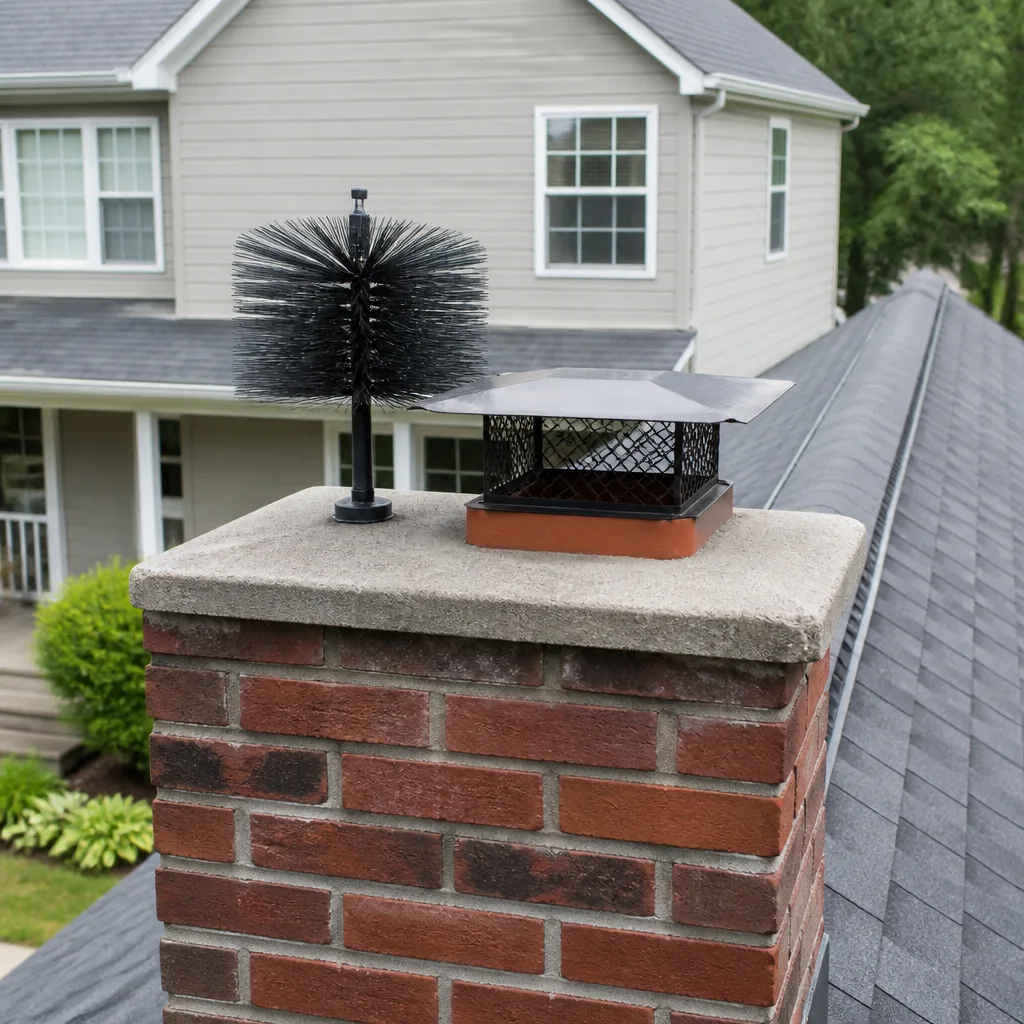
 Caps & crowns
 Flue relining
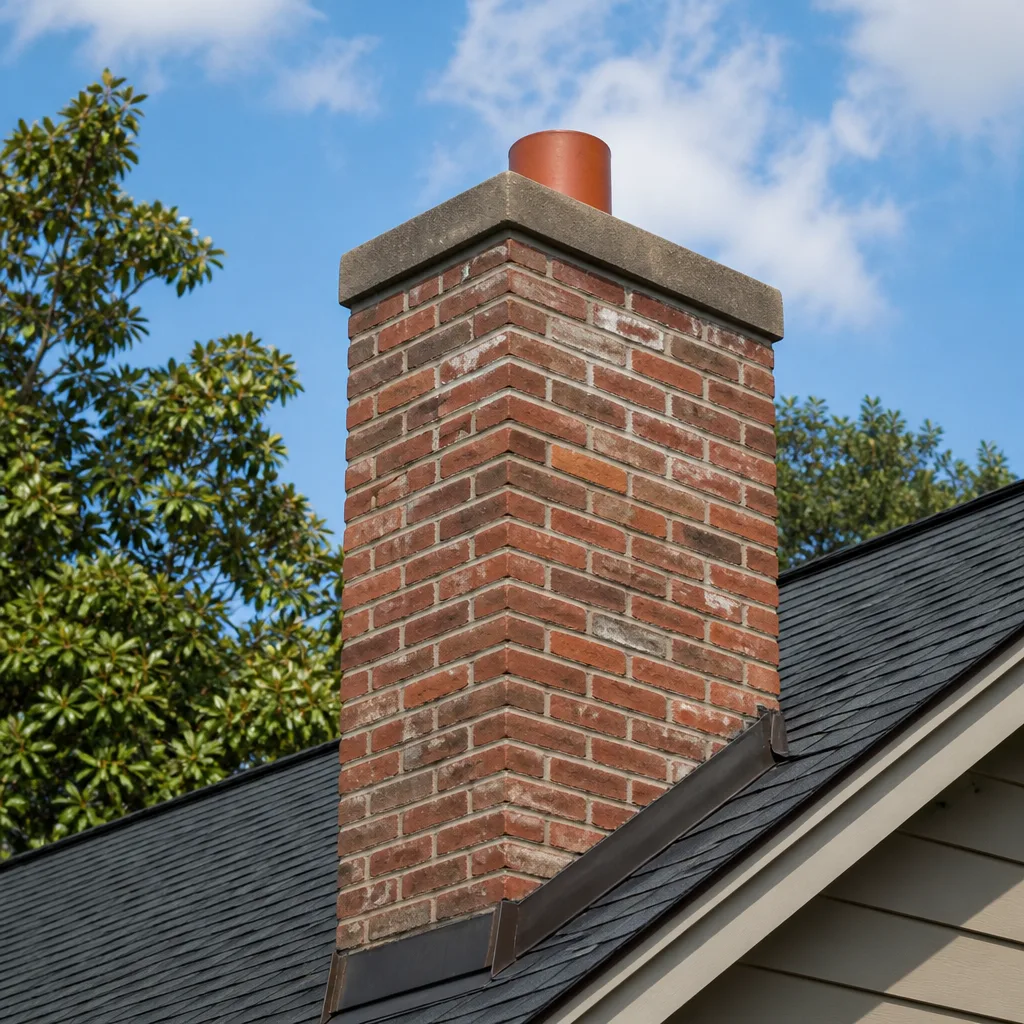 Masonry repair
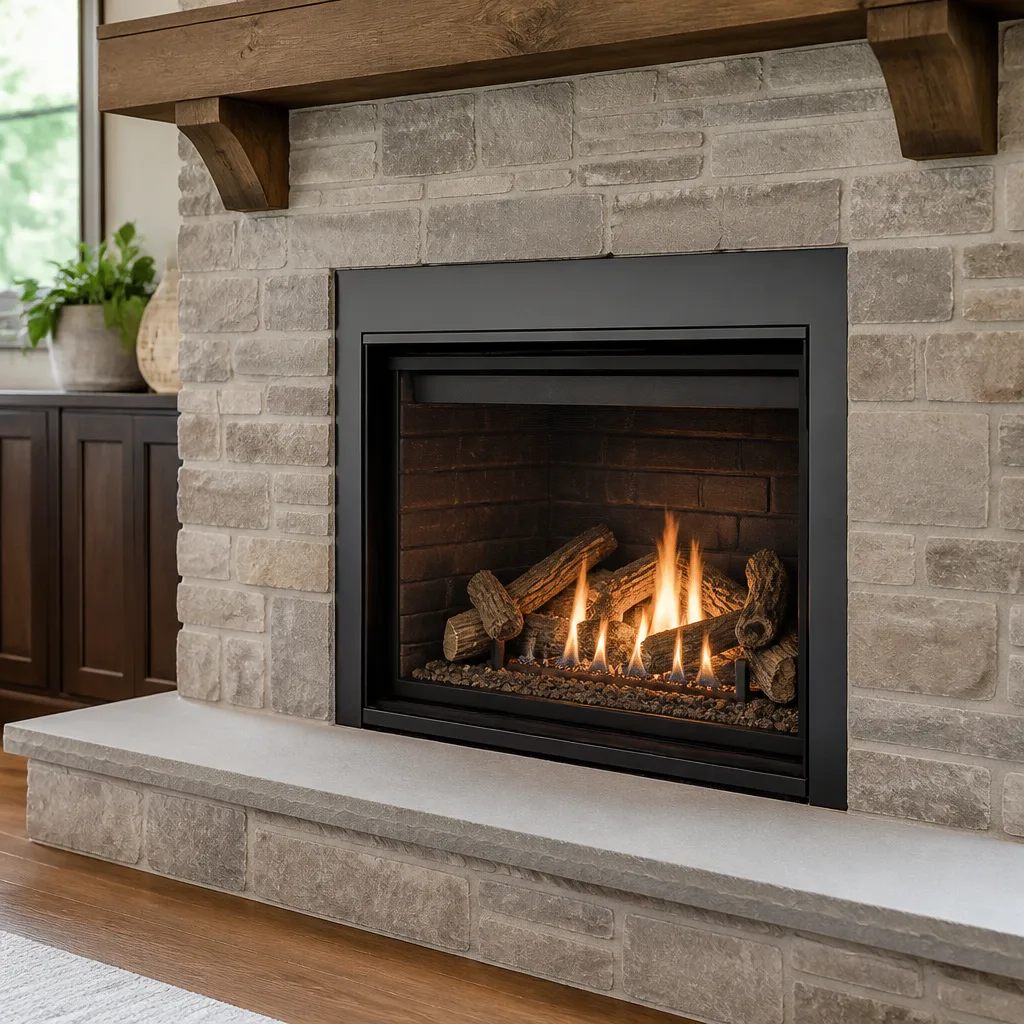 Gas fireplace service
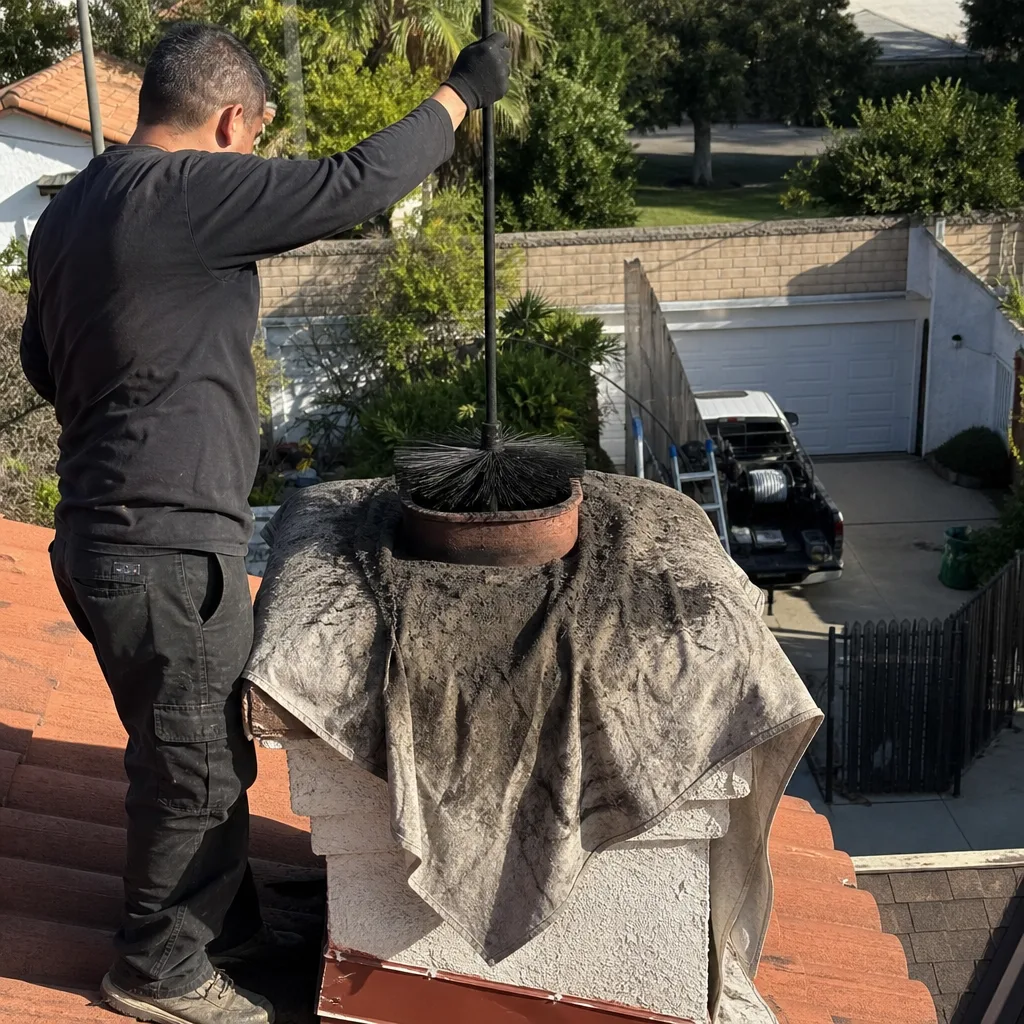
Level 1 sweep and inspection to the NFPA 211 annual standard - flue, crown, cap, and flashing checked and photographed
Chimney sweep logs do not sweep chimneys. They loosen some creosote - which then falls where a brush and vacuum still have to collect it.
Seasonal Chimney Cleaning Care for Vista: Year-Round Homeowner’s Guide
The conventional wisdom says clean your chimney in late summer, before the first fire of fall. That advice works in Minnesota. It fails in Vista. Here, the Santa Ana winds that arrive in October and November are the real seasonal threat: they strip caps loose, wedge branches and nest material into flues, and pressure-test every exterior seal on your chimney. Right when most homeowners think they’re already prepared, the system gets stressed hardest. This guide replaces the generic four-season template with a month-by-month calendar built around Vista’s actual climate patterns, so you know exactly what to check, when to check it, and what genuinely needs professional attention versus what can safely wait. For more guides & resources tailored to local homeowners, visit our blog.
Styles & brands we work with
- Sweep & inspection
- Caps & crowns
- Flue relining
- Masonry repair
- Gas fireplace service
Quick Answer
Chimney care in Vista follows a different calendar than most of the country. Schedule your primary sweep in September or early October before Santa Ana season, do a visual inspection after every major wind event, check for marine-layer moisture damage each spring, and sweep after every cord of wood burned. Homes that burn wood 2 – 3 nights a week through the fall and winter should expect two cleanings per year, not one. See our Chimney Cleaning Cost Breakdown: The Vista Homeowner’s Reference for 2026 for detailed pricing guidance.
Table of Contents
- Why Vista’s Climate Changes the Chimney Calendar
- Month-by-Month Chimney Care Calendar for Vista
- Santa Ana Winds: The Overlooked Chimney Threat
- Marine Layer Moisture and Dormant Chimney Damage
- How Often Should You Actually Clean? Fuel Types and Burn Habits
- The Vista Homeowner’s Inspection Checklist
- When a Sweep Reveals Bigger Problems
- Dryer Vents: The Other Chimney in Your Vista Home
- Common Mistakes to Avoid
- When to Call a Professional
- Frequently Asked Questions
- The Bottom Line
Why Vista’s Climate Changes the Chimney Calendar
Vista sits nine miles from the Pacific, which means three things for your chimney that national advice never accounts for. First, the marine layer delivers consistent overnight moisture from May through July, and that damp air settles inside cool, dormant chimneys for months. Second, the Santa Ana season from September through November brings sustained winds that hit exposed chimney stacks from the east, exactly opposite the direction most caps and crowns are expected to handle. Third, summer temperatures that regularly climb into the 80s and 90s bake exterior masonry, and the daily expansion and contraction cycle widens hairline cracks that the moisture then penetrates.
The result is a chimney that weathers differently than one in the Northeast or Midwest. A homeowner in Vista who follows generic advice and cleans only once before winter misses the fact that their chimney took the hardest environmental beating of the year in October, not December. We’ve seen flues in the Shadowridge and Buena Creek neighborhoods that looked clean in August but carried creosote and wind-blown debris by Thanksgiving. The Millbrook Chimney Sweep home service area spans the full range of Vista microclimates, from the coastal-influenced west side to the warmer inland neighborhoods, and the pattern is consistent: moisture plus wind equals damage that seasonal checklists routinely miss.
Month-by-Month Chimney Care Calendar for Vista
Every climate produces a different rhythm of chimney wear. Here is the calendar that matches Vista, not a national average.
January – February: Peak Burn Season
This is when creosote accumulates fastest, especially if you’re burning oak or other dense woods that produce heavy particulate. Check the flue monthly by looking up from the firebox with a flashlight. If the walls look shiny or gritty rather than flat black, creosote is building. A half-inch of glazed creosote is enough to sustain a chimney fire. If you burn three or more nights a week, plan a mid-season sweep in February. It extends the life of the liner and keeps your fireplace operating efficiently through the coldest stretch of the Vista winter.
March – April: Post-Season Assessment
As burn frequency drops off, this is the time to book a full inspection. The chimney has just completed months of heavy use, and any liner cracks, mortar joint failures, or cap damage will be visible now. It’s also the right time to address repairs before the marine layer arrives. A cracked crown that goes unnoticed in March will absorb moisture from May fog and get worse. We recommend homeowners photograph the exterior chimney from two angles each March and compare year over year.
May – June: Marine Layer Moisture Monitoring
Vista’s late-spring fog is not a minor inconvenience. It’s a sustained humidity event that lasts weeks and penetrates unprotected masonry. During these months, look for efflorescence (white chalky deposits) on the chimney exterior, especially on the side facing west toward the ocean. Efflorescence means water is moving through the masonry and dissolving the minerals. It’s the earliest visible warning of water intrusion, and a Gelco or Copperfield chimney cap makes a measurable difference here by keeping rain and fog from entering the flue directly.
July – August: Pre-Season Preparation
The sweet spot for your primary annual sweep in Vista is not late August. It’s late September or early October, but July and August are the months to plan. Get on the schedule before the fall rush. If your chimney needs repairs (a new cap, crown sealing, flue tile work), completing that work during the summer means you’re ready when the first cold evening arrives, not waiting on a repair queue in November. This is also the right time to inspect the firebox and damper operation after months of disuse.
September – October: The Real Prep Window and Santa Ana Onset
This is where the Vista calendar diverges from national advice. Schedule your pre-season sweep now, not in August. The first Santa Ana events usually arrive in late September or October. These winds push debris, feathers, nesting material, and fine dust into any cap gap. Sweeping now means the flue is clean when the season starts, and the sweep itself doubles as a pre-wind inspection. If the cap is loose, damaged, or missing sections, the technician catches it before the first major wind event, not after.
November – December: Post-Wind Checks and Burn Season
After each significant Santa Ana event, take a minute to walk around the house and check the chimney. Look for visible cap movement, missing mortar on the crown, or new cracks down the stack. If you hear rattling or creaking from the chimney during high winds, the cap is not secure. Small issues caught in November cost far less to fix than the same problems in February, when falling rain finds every opening. You can always book a Chimney Sweep in Vista for a mid-season check if you burn frequently through the holidays.
Santa Ana Winds: The Overlooked Chimney Threat
Most chimney guides from national publishers treat wind as a footnote. In Vista, wind is a primary actor. Santa Ana events produce sustained winds that routinely gust over 40 mph, and they arrive from the northeast, which is often the unprotected side of a chimney stack.
What Santa Ana winds actually do to a chimney:
- Cap loosening: The repeated pressure differential across the cap fasteners works bolts loose over a single season. A cap that’s secure in September may be rattling by December.
- Debris injection: The winds carry leaves, sticks, and bird nests. A missing spark arrestor mesh means that material goes straight into the flue and sits on the smoke shelf.
- Crown erosion and cracking: Small cracks in the crown act like wing edges under high wind load. Water inside the crack vaporizes and widens the gap, and wind stress finishes the job.
- Downdraft events: During strong gusts, a chimney without a properly sized cap can experience reverse flow, pushing smoke and combustion gases back into the house.
- Masonry joint wear at the top courses: The upper three to four feet of the stack flex under wind load, and the mortar joints here are the first to fail.
The post-wind inspection does not need to be exhaustive. Here is a three-step check you can do from the ground after any major Santa Ana event:
- Stand directly back from the chimney and look at the cap. It should sit level. Any tilt, gap, or visible lift means the cap is loose and needs tightening or replacement.
- Walk around both accessible sides of the house and scan the full stack from top to bottom. New vertical cracks or missing mortar chunks should be documented with a photo.
- Go inside and look up the flue from the firebox with a flashlight after the wind has died down. If you see leaves, twigs, or a shifted damper, there’s a debris path into the chimney that needs attention.
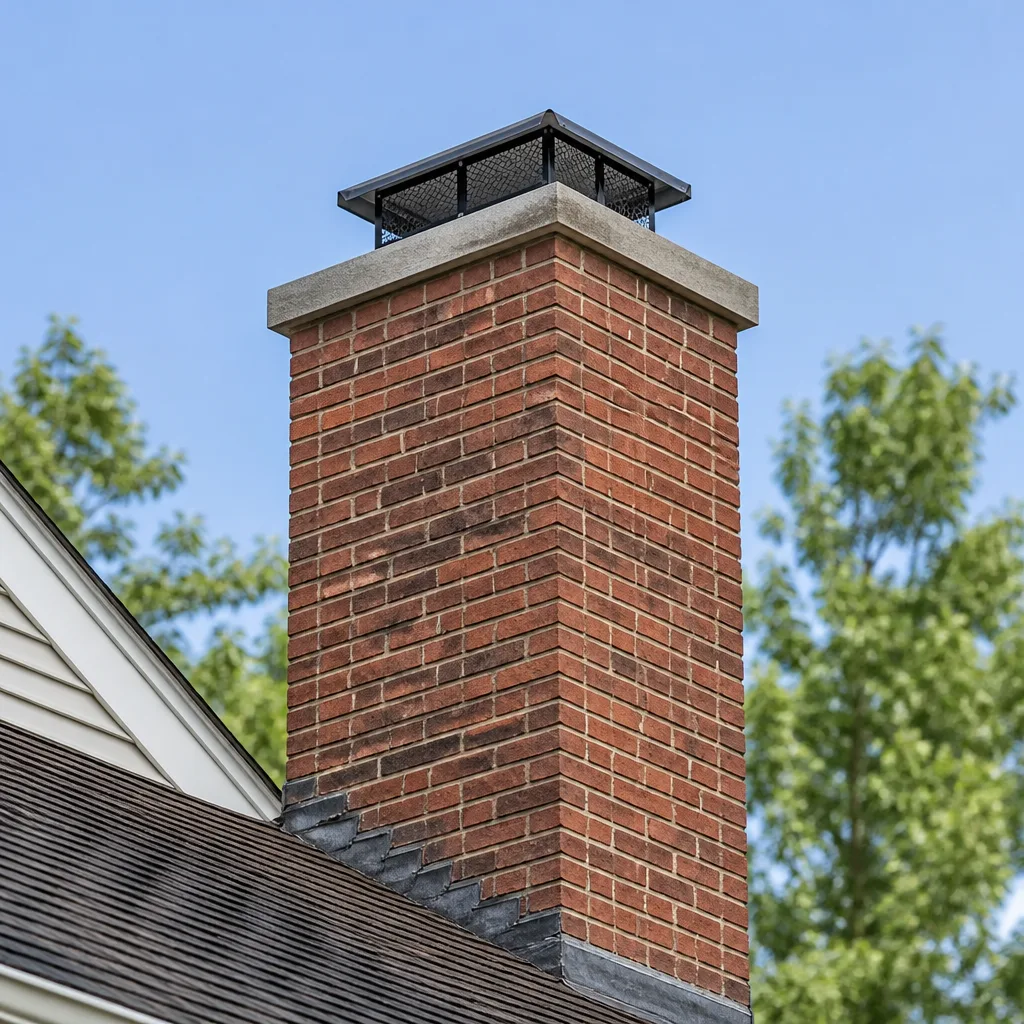
We stock and install caps from Gelco, Copperfield, and Olympia Chimney, and we match the cap to the local wind exposure rather than selling a one-size solution. In Vista’s inland neighborhoods like Rancho Buena Vista and Brengle Terrace, where wind exposure runs higher, the cap material and fastening method matter more than homeowners typically realize.
Marine Layer Moisture and Dormant Chimney Damage
The months between May and July are when Vista chimneys quietly sustain the most long-term damage. The marine layer pushes cool, wet air inland nearly every evening, and that moisture finds its way into every unprotected opening.
Inside a dormant chimney, three things happen during the marine layer season. First, the cool, damp air condenses on the interior walls of the flue, especially if the chimney is unlined or has an older clay liner. Second, any creosote left over from the previous burn season absorbs that moisture and becomes acidic, accelerating the deterioration of the flue and mortar joints. Third, the moisture reaches the firebox and damper assembly, causing rust on metal components that are expensive to replace.
The practical signs to look for:
- White efflorescence on the exterior chimney, which appears as a powdery white stain. This is the surest sign that water is moving through your masonry.
- A musty or sour odor from the fireplace during the summer, which indicates accumulated moisture and possibly mold growth on the smoke shelf.
- Visible rust on the damper handle or hinges.
- Spalling (flaking or chipping) on brick faces, which happens when absorbed water expands on hot afternoons.
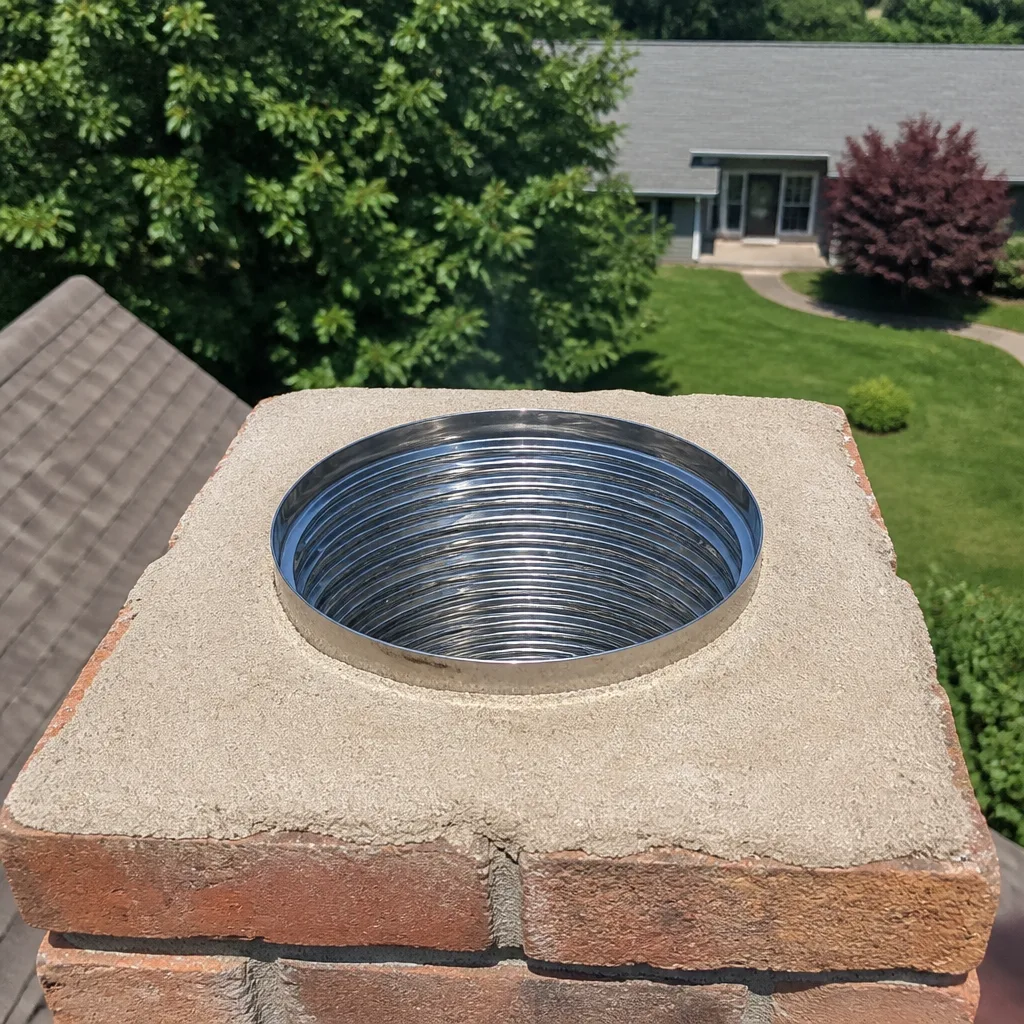
If you see these signs, the fix is usually straightforward: seal the crown, replace or upgrade the cap, and address any liner issues before the next burn season. We install DuraFlex stainless liners in Vista homes that have experienced repeated moisture damage, because the stainless surface resists the acidic condensate that clay tiles trap. It is a repair, not just a cleaning, and it changes the long-term trajectory of the chimney.
The connection to Chimney Repair in Vista is direct. A chimney that absorbs marine moisture every year does not recover on its own. It gets worse, incrementally, until the repair bill is significant. Catching efflorescence in June is the cheapest moment to act.
How Often Should You Actually Clean? Fuel Types and Burn Habits
National guidelines say sweep once per year. For a Vista wood-burner, that number is often wrong. The right answer depends on three local factors: what you burn, how often you burn it, and how the local climate layers on top.
Here’s what we see across Vista homes:
- Occasional burners (one or two fires per month, mostly for ambiance): one sweep per year, done in late September or early October, is adequate. The flue accumulates slowly, and the primary risk is debris and moisture, not heavy creosote.
- Regular weekend burners (every weekend through the season, plus holidays): plan on two sweeps. One in October and one in January or February. Creosote builds on the smoke shelf faster than most people expect.
- Heavy nightly burners (three or more nights per week, using the fireplace as a primary heat source): every cord of wood burned is the practical rule. For a heavy user, that means two to three sweeps per season. We’ve removed half-inch creosote deposits from Vista chimneys that were swept only once the previous year.
- Gas fireplace owners: the buildup concern is different. Gas logs produce less creosote but can leave soot and mineral deposits from combustion air. An annual inspection plus cleaning every one to two years is typically sufficient, though the venting system still needs a look each year.
The type of wood also moves the needle. Eucalyptus, which is widely available in San Diego County, burns hot but produces heavy, oily residue. Oak burns cleaner but hotter. Unseasoned wood of any type is the worst offender, generating the most particulate and fastest creosote accumulation. If you stack wood during Vista’s damp spring months and burn it the next fall without adequate dry time, expect accelerated buildup.
The Vista Homeowner’s Inspection Checklist
You do not need to climb on the roof to catch most problems. This ground-level checklist, done twice per year (once before burn season, once after the first Santa Ana events), will identify most issues worth a professional look.
- Check the cap from the ground. Look for tilt, gaps, or missing mesh. If you hear rattling on windy nights, the fasteners are loose.
- Scan the crown and upper masonry. New cracks, missing mortar, or displaced brick are red flags. Photograph from the same angle each time so you can compare.
- Look up the flue from the firebox. Use a bright flashlight. Debris, shiny creosote walls, or an obstructed view means a professional cleaning is due.
- Test the damper. It should open and close fully without grinding. Stiff operation suggests rust, which points to moisture intrusion.
- Check the firebox interior. Cracked firebrick or gaps in the mortar joints are fire hazards and need repair before the next burn.
- Check the exterior for efflorescence. White powdery stains mean water is moving through the brick. Note the location and monitor it.
- Smell the fireplace during summer. A persistent musty or acidic odor indicates trapped moisture and creosote reaction.
- After any Santa Ana event, repeat steps 1 through 3. Wind damage is cumulative, and a cap that was fine in September may not be fine in November.
If anything on this list looks off, a professional inspection is the next step. The average Vista home inspection does not include a chimney camera scope, and the chimney is often the only part of the house that goes years without a real internal look.
When a Sweep Reveals Bigger Problems
A chimney cleaning is often the moment the real condition of the system becomes visible. The sweep removes creosote and soot, and underneath, the cracks, gaps, and failures are exposed. This is why we repair what we find during a cleaning; the clean flue is the diagnostic surface.
The repairs most commonly discovered during a Vista chimney sweep:
- Cracked flue tiles from years of thermal cycling plus moisture exposure. Cracked tiles allow heat and gases into the surrounding masonry and are a fire risk.
- Failed damper assemblies rusted in place from marine-layer condensation.
- Damaged firebox panels that crack under repeated heating and cooling. HeatShield restoration is the industry standard for firebox repair without a full teardown, and we use it in Vista homes where the firebox structure is otherwise sound.
- Deteriorated mortar crowns that allow water into the stack. A proper crown seal stops the cycle of winter absorption and summer expansion.
- Missing or damaged caps that leave the flue open to rain, fog, and wind-blown debris.
Most of these repairs do not require a full chimney rebuild. HeatShield firebox restoration, DuraFlex stainless liner installation, and crown sealing are targeted fixes that address the specific problem without unnecessary demolition. The material choice matters: a DuraFlex liner from a manufacturer that specifies it for both residential and commercial applications is a different product than the thin stainless tubes some crews install. We use the same brands chimney engineers specify on commercial projects because the material quality directly affects safety and lifespan.
Dryer Vents: The Other Chimney in Your Vista Home
The chimney is not the only venting system in your house that accumulates flammable material. Dryer vents collect lint, and in Vista’s damp spring months, that lint can compact and harden against the vent walls rather than blowing through. The National Fire Protection Association lists dryers as a leading household appliance fire source, and most of those fires start in the vent run, not the dryer itself.
Since we handle Dryer Vent Cleaning in Vista as part of the same service scope, the twice-yearly chimney check is a natural time to think about the dryer vent too. The signs of a restricted dryer vent are straightforward: clothes take longer than one cycle to dry, the dryer exterior runs hotter than normal, or a musty smell develops in the laundry area. If vent run length exceeds 15 feet or includes multiple elbows, the cleaning interval should be annual at minimum.
The connection to chimney care is that both systems move heated air and particulate out of the house, and both fail slowly if ignored. A homeowner who maintains both is addressing the same structural principle across the whole house: venting works until it doesn’t, and the failure is rarely obvious until the hazard is present.
Common Mistakes to Avoid
- Cleaning in August and assuming the job is done. The Santa Ana events that fill flues with debris and loosen caps happen after most people sweep. In Vista, late September or early October is the correct window.
- Ignoring efflorescence. White staining is not cosmetic. It’s water moving through masonry, and it will worsen every marine-layer season until the source is sealed.
- Burning unseasoned eucalyptus. Ubiquitous in Vista, but wet eucalyptus produces heavy creosote and burns unpredictably. Season wood for at least 12 months in a well-ventilated pile before burning.
- Skipping the dryer vent entirely. The chimney looks clean while the dryer vent, which runs far more often, carries a harder fire load. Both need attention.
- Using a chimney sweep who only sweeps. A cleaning that reveals a cracked liner but ends with a recommendation to call someone else means you’ll pay twice and wait longer. Choose a contractor who can execute the repair on the spot.
- Assuming a gas fireplace needs no maintenance. Gas systems produce less creosote, but they still foul venting surfaces and still need annual inspection for blockages and component wear.
- DIYing cap replacement with a box-store product. A cap that does not fit the flue properly, or that lacks adequate wind bracing for Santa Ana conditions, creates a new set of problems. Material and fit are everything in a wind-exposed installation.
When to Call a Professional
Some things are worth handling on your own: monthly visual checks, post-wind ground inspections, monitoring for efflorescence, and keeping the firebox clean of ash. But several conditions call for a professional with the right equipment and stock. If you see shiny or glazed creosote on the flue walls, call for a sweep before the next fire. If the damper is rusted or stuck, call for a repair. If you hear rattling from the cap during wind, call for an inspection before the Santa Ana gusts find the weak point. If efflorescence appears, call before the marine layer season makes it worse. And if a previous inspection flagged cracked flue tiles or firebox damage, do not let it ride another season. Millbrook Chimney Sweep offers free estimates in Vista; call (833) 589-9711 and we’ll take a camera look before recommending anything.
Frequently Asked Questions
A standard chimney sweep in Vista typically runs $149 to $250 for a single-story masonry chimney, with prices varying based on flue accessibility, creosote load, and whether the system has been cleaned recently. Our estimate is free, and we include the camera inspection with the sweep, so you see exactly what’s inside the flue before and after. Call (833) 589-9711 for an exact quote based on your chimney.
The right answer for Vista is once per year at minimum, but heavy wood burners (three or more nights per week) should expect two sweeps per season. Gas fireplace owners can often go 18 to 24 months between cleanings, but should still schedule an annual inspection. The variable that pushes frequency up is the wood type and moisture content; unseasoned eucalyptus and frequent burning create the fastest creosote accumulation.
Yes, but the reason is different than for heavy users. An occasional burner’s chimney accumulates less creosote, but it’s more exposed to wind-blown debris, bird nesting, and marine-layer moisture during the long dormant stretches. The annual sweep catches these blockages and moisture issues before they become hazards. If you only burn a few times per year, one October sweep is the right schedule.
Creosote builds in layers, and each layer hardens onto the previous one until the flue walls carry a thick, combustible lining. A single hot fire can ignite that lining, producing a chimney fire that reaches 2,000°F and cracks the flue tiles. Moisture from the marine layer accelerates the process by turning existing creosote acidic. The longer you wait, the more likely a simple sweep becomes a liner replacement.
Yes. Sustained winds over 30 mph, which are common during Santa Ana events in Vista, exert enough force to loosen cap fasteners, widen crown cracks, and stress the upper mortar joints of the stack. The damage is often invisible until the next rain, when water finds the new openings. A ground-level cap and crown check after each major wind event is the cheapest protection.
A camera inspection during the sweep is what answers this. If the flue tiles are intact and the mortar joints are solid, cleaning is all that’s needed. If there are cracks, gaps, or deterioration, a DuraFlex stainless liner is the standard repair, and we install it ourselves rather than referring you to another contractor. You’ll see the camera footage before any repair is recommended.
The Bottom Line
Chimney care in Vista is a year-round rhythm, not a single annual event. The marine layer means moisture management matters here more than in most of the country. The Santa Ana winds mean the pre-season timing has to account for fall storms, not just fall temperatures. And the specific mix of wood types, burn habits, and home ages across Vista’s neighborhoods means a cookie-cutter cleaning schedule leaves real hazards unaddressed. The most efficient approach is simple: one thorough sweep in late September or early October, a ground-level check after every major wind event, a moisture-focused inspection each spring, and immediate attention to any efflorescence, cracked flue tile, loose cap, or rusted damper. The chimney is the one home system that fails silently; the maintenance calendar is what makes it fail loudly enough to hear.
Written by the team at Millbrook Chimney Sweep, serving Vista since 2014.
See the difference
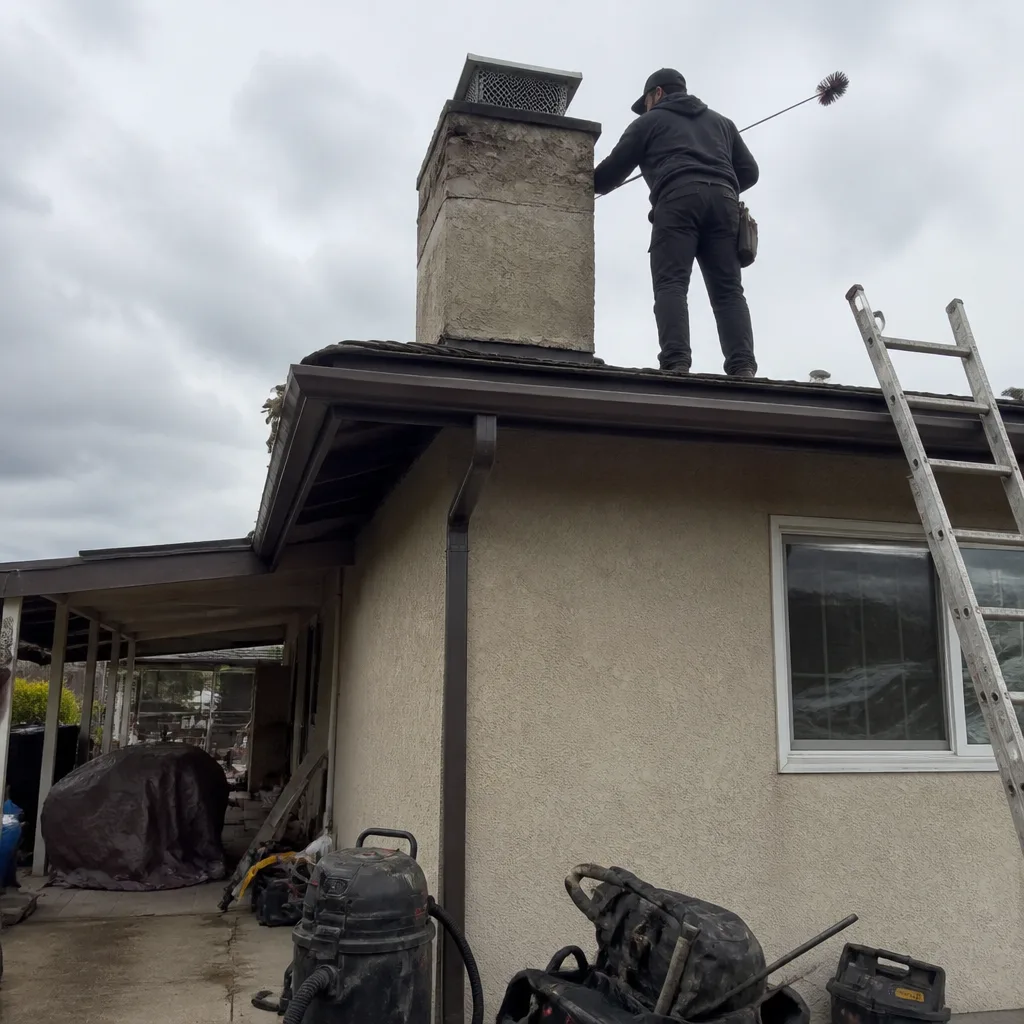 Before
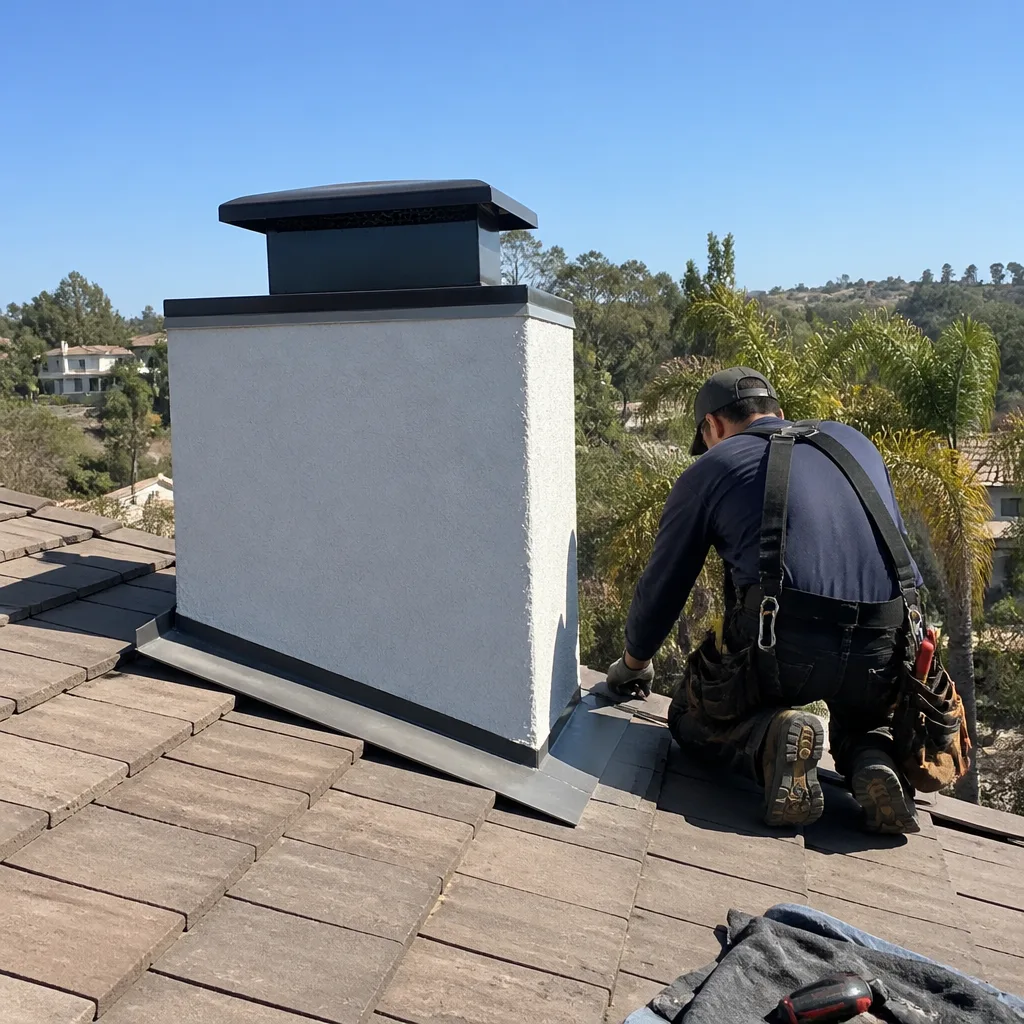 After
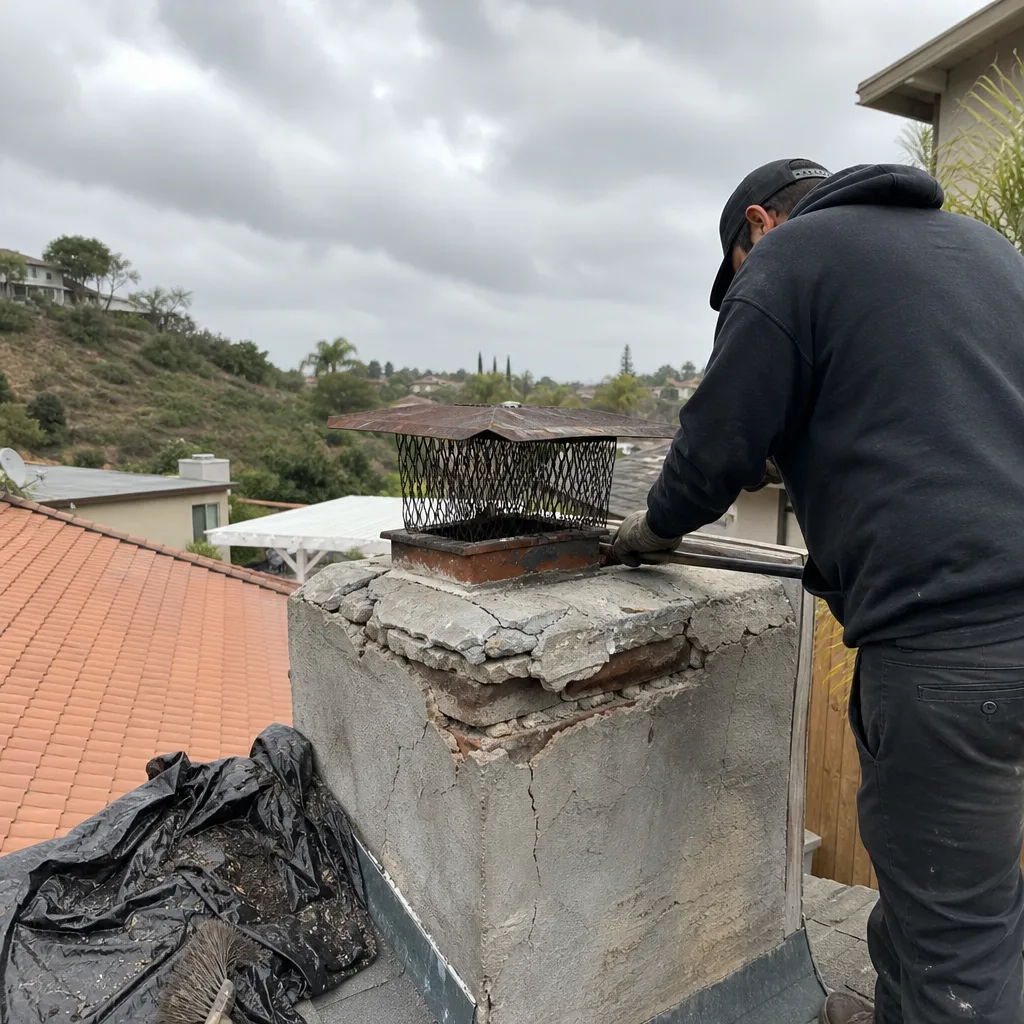 Before
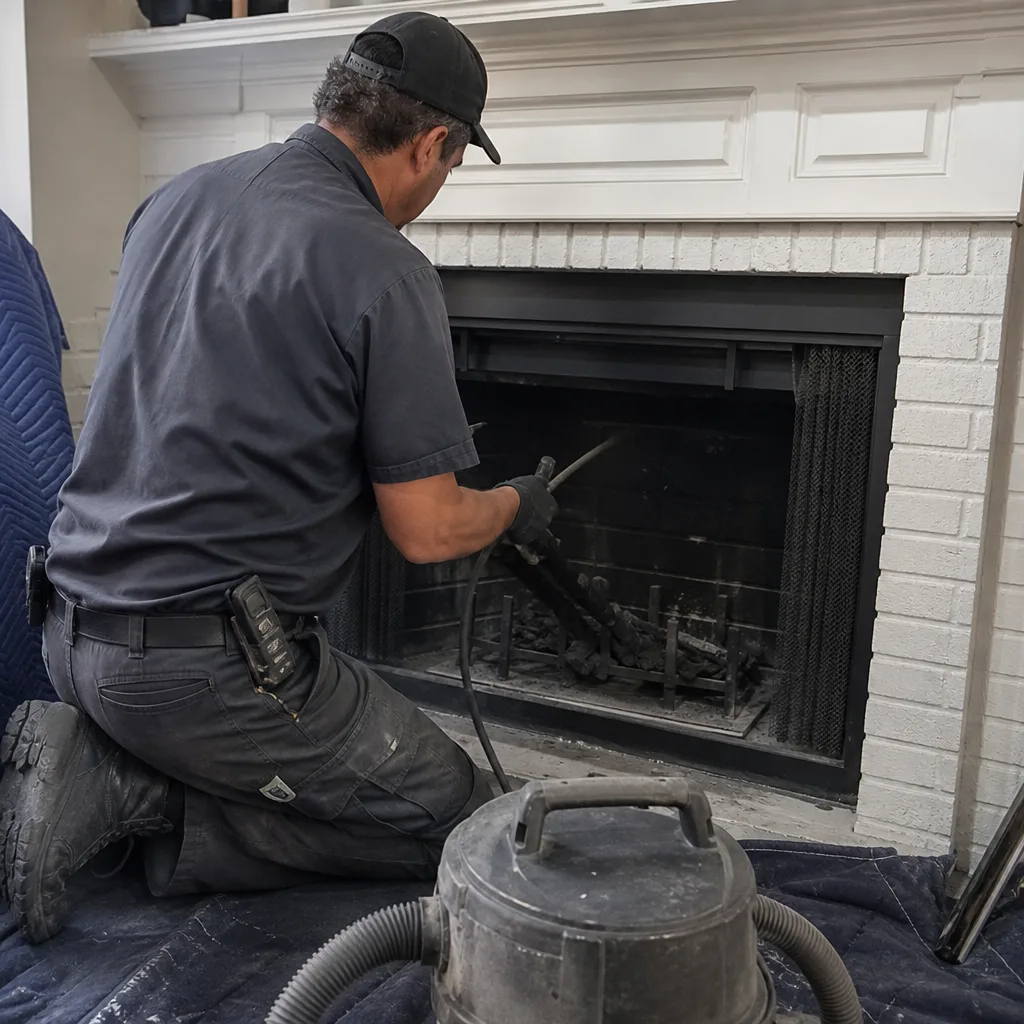 After
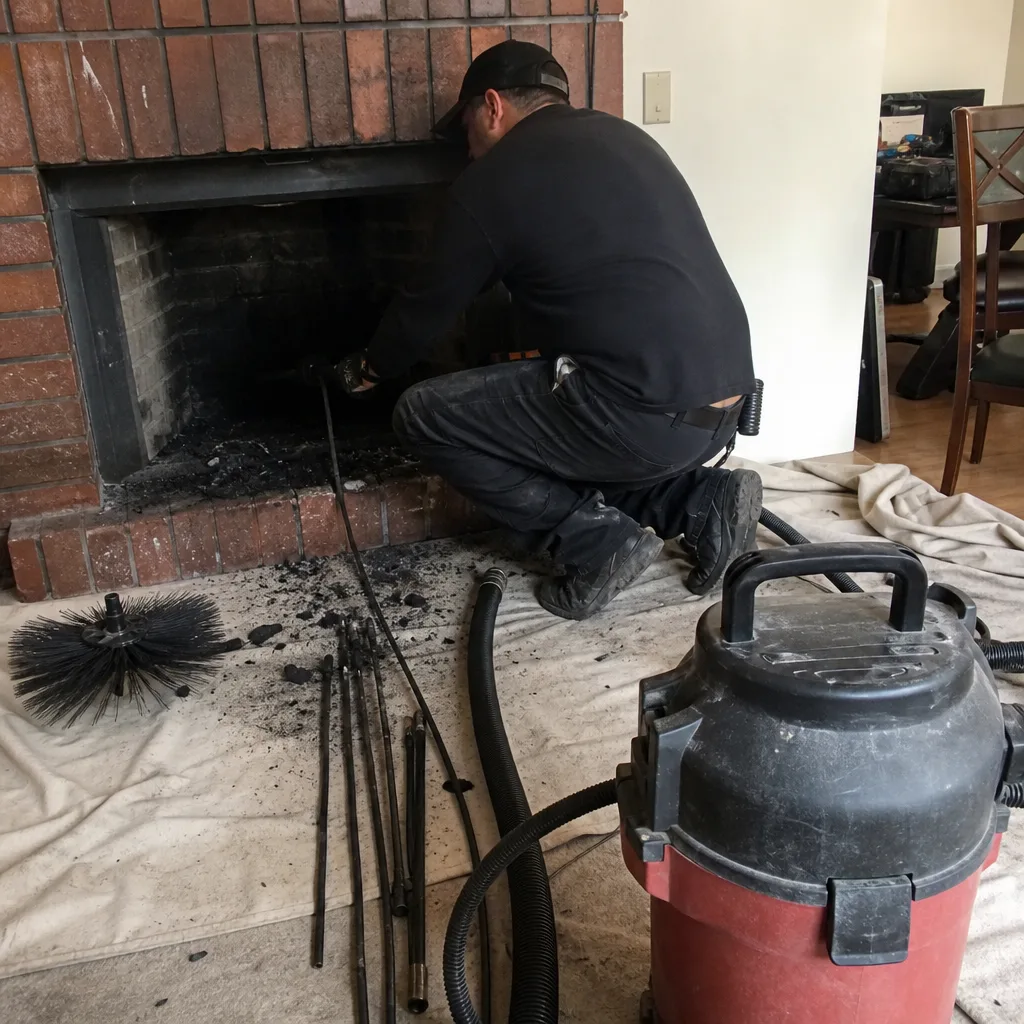 Before
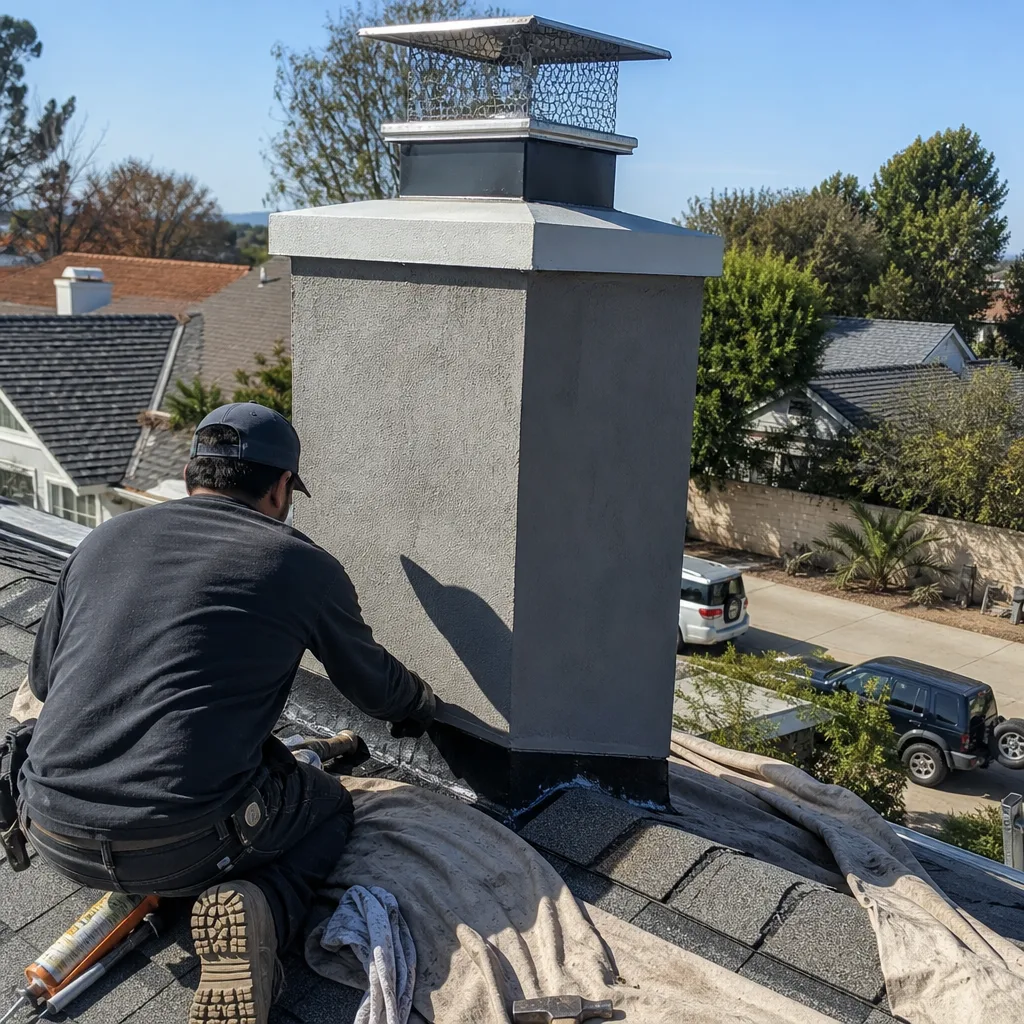 After