
Last updated November 2, 2026
 Sweep & inspection
 Caps & crowns
 Flue relining
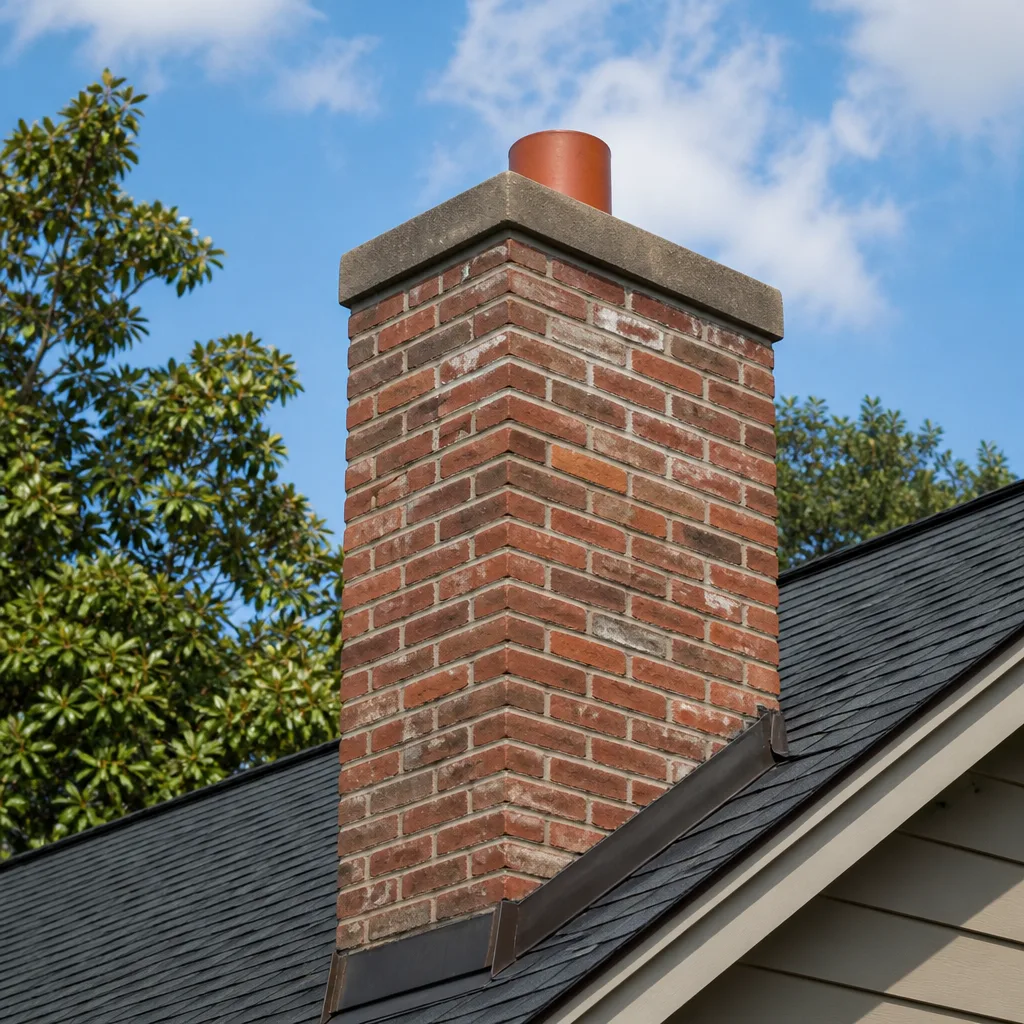 Masonry repair
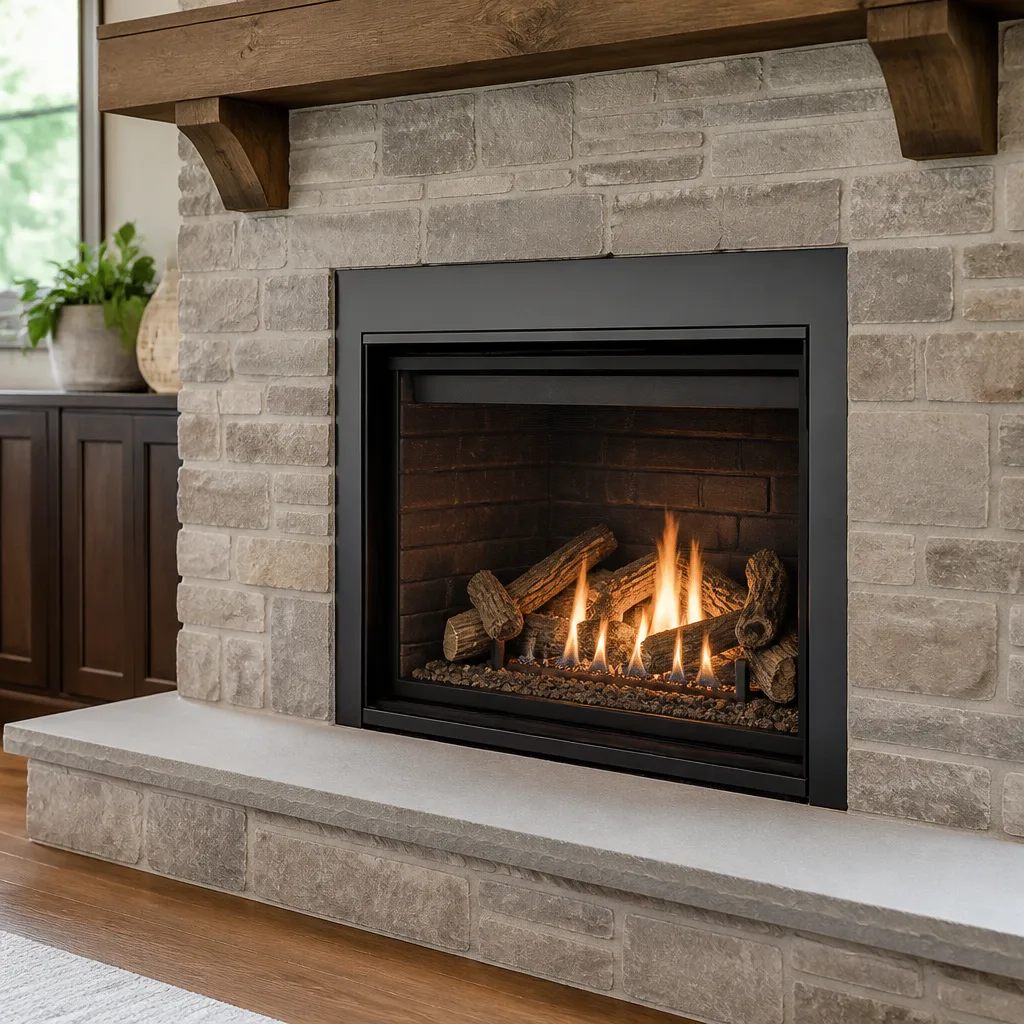 Gas fireplace service
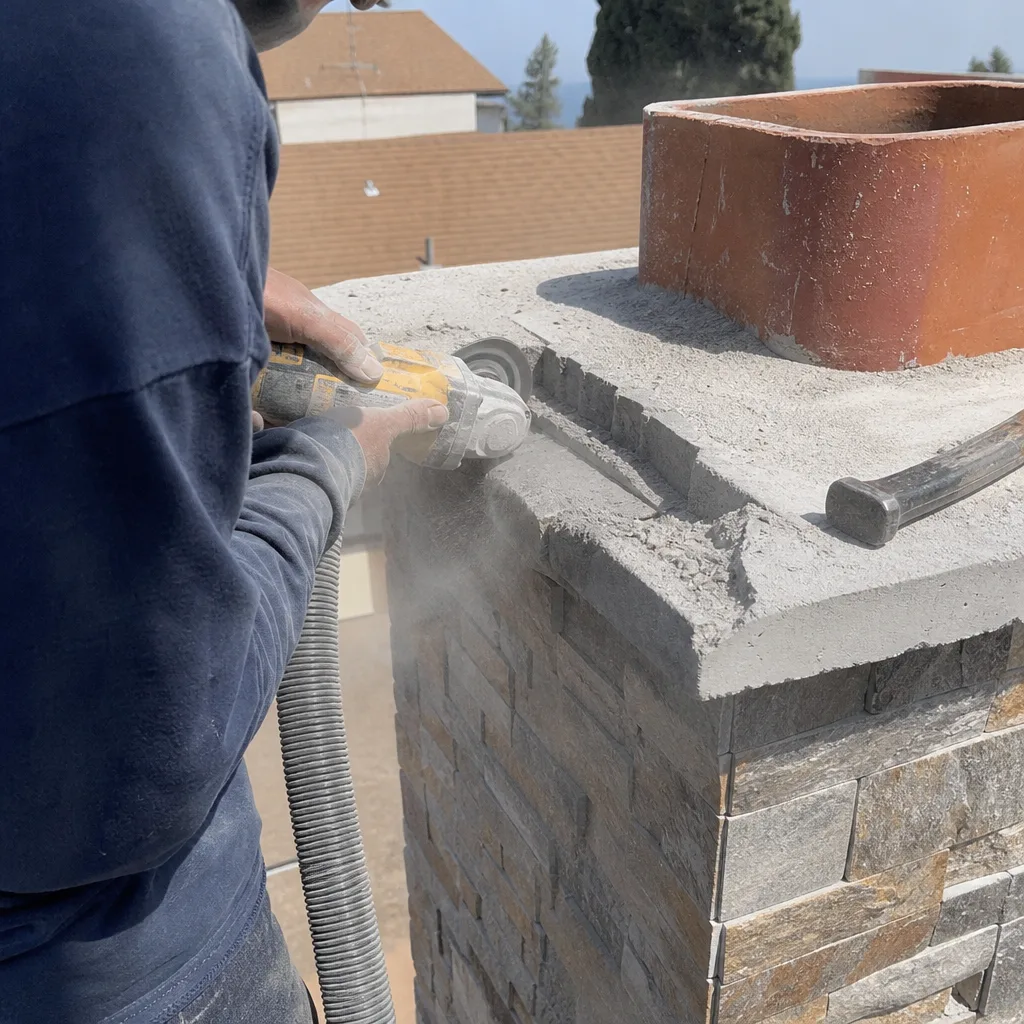
Level 1 sweep and inspection to the NFPA 211 annual standard - flue, crown, cap, and flashing checked and photographed
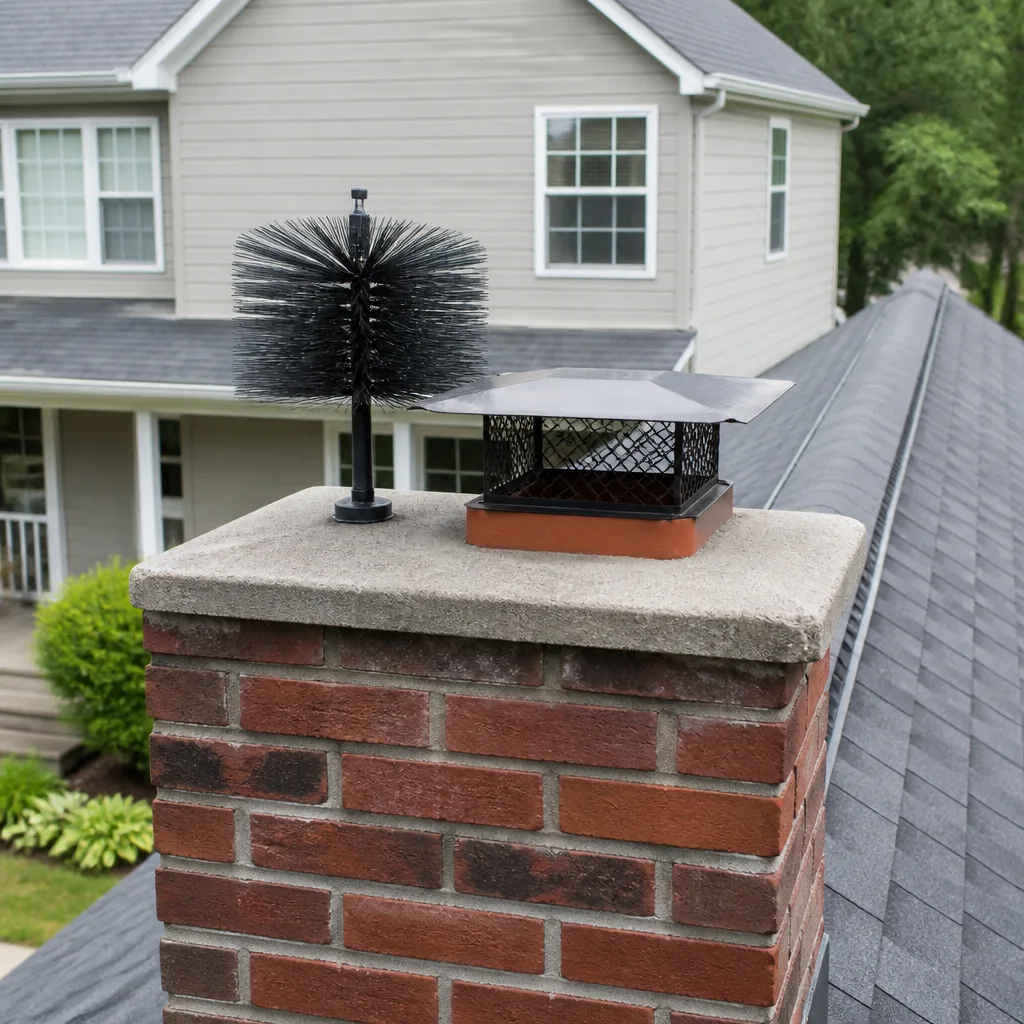
Chimney sweep logs do not sweep chimneys. They loosen some creosote - which then falls where a brush and vacuum still have to collect it.
How to Hire a Chimney Cleaning Contractor in Vista: A Step-by-Step Guide
The most dangerous chimney inspection is one that ends with “looks good.” That phrase usually means nothing was measured, nothing was scoped, and nothing was documented. In Vista, where cool coastal mornings give way to dry inland air and wood-burning fireplaces see regular use from October through March, a superficial sweep is a fire risk wearing a friendly face. This guide walks you through vetting a chimney contractor who can actually see the problems that matter, not just the ones a brush can reach. For year-round seasonal chimney care in Vista, see our full homeowner’s guide.
Styles & brands we work with
- Sweep & inspection
- Caps & crowns
- Flue relining
- Masonry repair
- Gas fireplace service
Quick Answer
To hire a chimney cleaning contractor in Vista, verify CSIA certification, ask whether they stock their own repair materials versus subcontracting, require a camera inspection with photos before agreeing to any repair, and get a line-item quote separating the sweep, the inspection level, and any repair scope. A cleaning-only crew is not the same as a full-service chimney contractor, and in Vista’s older housing stock, that distinction matters.
Table of Contents
- Why Vetting a Chimney Contractor in Vista Matters More Than You Think
- Step 1: Verify Certification and What CSIA Actually Means
- Step 2: The Seven Questions to Ask Before You Book
- Step 3: Red Flags Specific to the San Diego Market
- Step 4: How to Read a Chimney Quote Line by Line
- Step 5: Why Stocked Materials Separate a Sweep from a Specialist
- Step 6: What Should Actually Happen During the Visit
- After the Sweep: Documenting What Was Found
- Common Mistakes to Avoid
- When to Call a Professional
- Frequently Asked Questions
- The Bottom Line
Why Vetting a Chimney Contractor in Vista Matters More Than You Think
Vista sits in a climate band where chimneys work harder than homeowners realize. Summer brings dry heat that bakes masonry and opens hairline cracks in mortar joints. Winter brings direct sun on south-facing chimney exteriors followed by cold nights, a thermal cycling pattern that stresses every brick and flue tile inside the structure. When you add regular wood burning, the creosote that condenses on flue walls becomes a fuel source those cracks can expose. A contractor who only sweeps sees the creosote. A contractor who diagnoses sees the crack, the creosote, and the draft failure working together.
The chimney industry in California is largely unregulated at the contractor level. There is no state requirement that a chimney sweep carry a specific license beyond the general contractor classifications that many cleaning-only operators never bother to obtain. That means the burden of vetting falls entirely on the homeowner. What you get, in practice, ranges from a technician with decades of manufacturer training and industrial-grade camera equipment to a person with a ladder, a brush, and a business card printed last week. Both can technically call themselves a chimney sweep.
In Vista specifically, the housing stock skews older. Homes in the Shadowridge and Foothill areas were built in the 1970s and 1980s, and many still carry original clay flue liners that have been absorbing thermal stress for forty or fifty years. A forty-year-old clay liner is not a curiosity. It is a component at the end of its service life, and the only way to know its condition is to put a camera up the flue. Chimney sweep service in Vista that includes camera documentation is the difference between a cleaning visit and an actual safety assessment.
Step 1: Verify Certification and What CSIA Actually Means
CSIA stands for the Chimney Safety Institute of America, and it is the recognized baseline credential for chimney technicians in the United States. A CSIA-certified sweep has passed a written exam covering chimney science, fire codes, and inspection standards. The certification requires continuing education credits to maintain. Those are facts.
Here is what CSIA certification does not mean. It does not mean the technician carries repair-grade materials in their truck. It does not mean they have experience with liner replacement or firebox restoration. It does not mean they are equipped to perform the repairs they find. CSIA is the baseline, not the ceiling. A serious contractor treats it as the starting point, then builds material expertise and repair capability on top of it. A cleaning-only crew treats it as the finish line.
When you call a prospective contractor in Vista, ask directly: “Which of your technicians is CSIA-certified, and what is their certification number?” A real shop answers without hesitation. A hesitant answer tells you something. Then ask the follow-up that separates the baseline from the specialist: “If your technician finds a cracked flue tile, do you carry the materials to fix it, or do you refer it out?” That question alone, asked before booking, eliminates a surprising share of the Vista market.
Step 2: The Seven Questions to Ask Before You Book
These questions are designed to be asked over the phone, before anyone steps foot in your home. They take five minutes and they reveal more about a contractor’s actual capability than any review page will.
- What level of inspection do you perform during a standard sweep? The industry defines Level 1 as a visual check of accessible areas. Level 2 adds camera scoping of the flue interior. If the answer is “we look at everything” without specifying a camera, that is a Level 1 inspection and it cannot see flue-liner cracks. Book a contractor who includes camera work.
- Do you carry your own repair materials, or do you refer repairs to another company? A contractor who refers repairs is a cleaning service. A contractor who stocks DuraFlex liner components or HeatShield restoration materials is a full-service shop. The answer tells you whether one call will resolve the problem or two.
- What does your written report include? The standard should be clear: written condition notes, camera photos, and specific recommendations with measurements. “I’ll tell you what I see” is not a report.
- Are you insured for chimney work specifically? General liability is not the same as coverage that understands chimney fires and masonry damage. Ask for the certificate and check that the policy is current.
- How do you handle a finding that requires a repair outside your scope? Even full-service shops have limits. A good answer names the specific boundary: “We do everything up to and including liner replacement, but we do not rebuild entire chimneys from the roofline up.” A vague answer is a warning.
- Do you clean dryer vents as part of your service range? This question functions as a capability probe. A contractor who says yes understands that house-fire prevention crosses multiple vent systems. One who has never considered it is thinking narrowly about their trade.
- Can you provide a line-item quote before any work begins? The answer must be yes. No exceptions. A contractor who cannot itemize a quote is a contractor who will not be itemized when the bill arrives.
Each of these questions maps to a real failure mode we have seen in Vista homes. The homeowner who paid for a “full inspection” and got a visual once-over from the hearth. The owner who got a quote for a liner replacement from a company that does not install liners. The quote with one line that says “repair work” and a number with no explanation. Ask the questions. The answers sort the market quickly.
Step 3: Red Flags Specific to the San Diego Market
San Diego County has a particular problem with chimney contractors, and Vista sits inside that problem. The region’s mild climate means chimney work is seasonal and fragmented. Many operators run chimney cleaning as a side business to roofing or general handyman work. That creates patterns you should recognize.
The unnecessary liner upsell. An unlicensed or minimally trained crew arrives for a sweep, glances up the flue with a flashlight, and announces you need a $4,000 liner replacement. No camera footage. No measurements. Just a verbal diagnosis and a pressure close. A real liner assessment requires camera evidence showing the specific defect: a separated flue tile, a crack penetrating the clay, spalling that has opened a gap. If there is no camera photo attached to the recommendation, the recommendation is not evidence-based. Insist on seeing the image. If they cannot produce it, they have not produced a diagnosis.
The cleaning-only shop that diagnoses repairs it cannot perform. This is the inverse problem. A sweep finds a genuine issue, writes it up, and then hands you a referral card for another company. You now have a report from someone who does not do the fix and a repair contractor who has never seen your chimney firsthand. The phone-tag delay and information loss are real. A chimney repair contractor in Vista who performs its own work eliminates that handoff entirely. The technician who scopes the flue is the same person who installs the liner or restores the firebox. That continuity is not a convenience feature. It is a safety feature.
The license that does not exist. Ask for the contractor’s license number and check it against the California Contractors State License Board database online. This takes ninety seconds. If the number does not appear, or appears under a different name, or is expired, end the conversation. California requires a C-61/D64 specialty license for chimney work by a contractor performing work over $500. Many operators in San Diego County ignore this. You should not.
Step 4: How to Read a Chimney Quote Line by Line
A legitimate chimney quote in Vista is not a single number. It is a document that separates three categories of work, and each category should carry its own line item.
Line 1: The sweep. This covers removing creosote and soot from the flue, smoke chamber, damper, and firebox. A standard sweep in Vista runs between $180 and $250 for an open fireplace. A stubborn creosote condition with glazed deposits may run higher. Ask whether the price includes the full mechanical sweep or just a brush pass.
Line 2: The inspection level. A Level 1 visual inspection is sometimes bundled into the sweep price. A Level 2 inspection with camera scoping typically adds $100 to $250 on top of the sweep. That camera charge is the best money in the quote because it is the only way to see inside the flue. Do not negotiate it away. Ask for the camera report in writing with photos as a deliverable.
Line 3: Any repair scope. This is where quotes go wrong. A repair line should never say “chimney repair” and a number. It should say “install 6-inch stainless liner, 25 feet, includes removal of existing damaged liner, supply and install DuraFlex liner, connect to existing appliance, seal crown.” That is a scope. If the quote does not describe the repair in terms you can read back, do not sign it. A legitimate contractor will also mark which repairs are safety-critical now and which can be deferred with a monitoring plan.
The quote should also state the warranty on any repair materials, the projected timeline, and who pulls any required permits. In Vista, a liner replacement with no structural changes rarely triggers a permit, but a full firebox rebuild can. If the contractor avoids the permit question, be cautious. The answer should be direct and specific.
Step 5: Why Stocked Materials Separate a Sweep from a Specialist
Most chimney cleaning companies in Vista do not carry repair materials. They carry brushes, rods, vacuums, and a camera if you are lucky. When they find a damaged flue liner, they write a report and recommend another contractor. That other contractor then schedules a separate visit, performs their own assessment, and quotes a repair that may or may not match the original finding. You have paid for two assessments and received zero continuity between them.
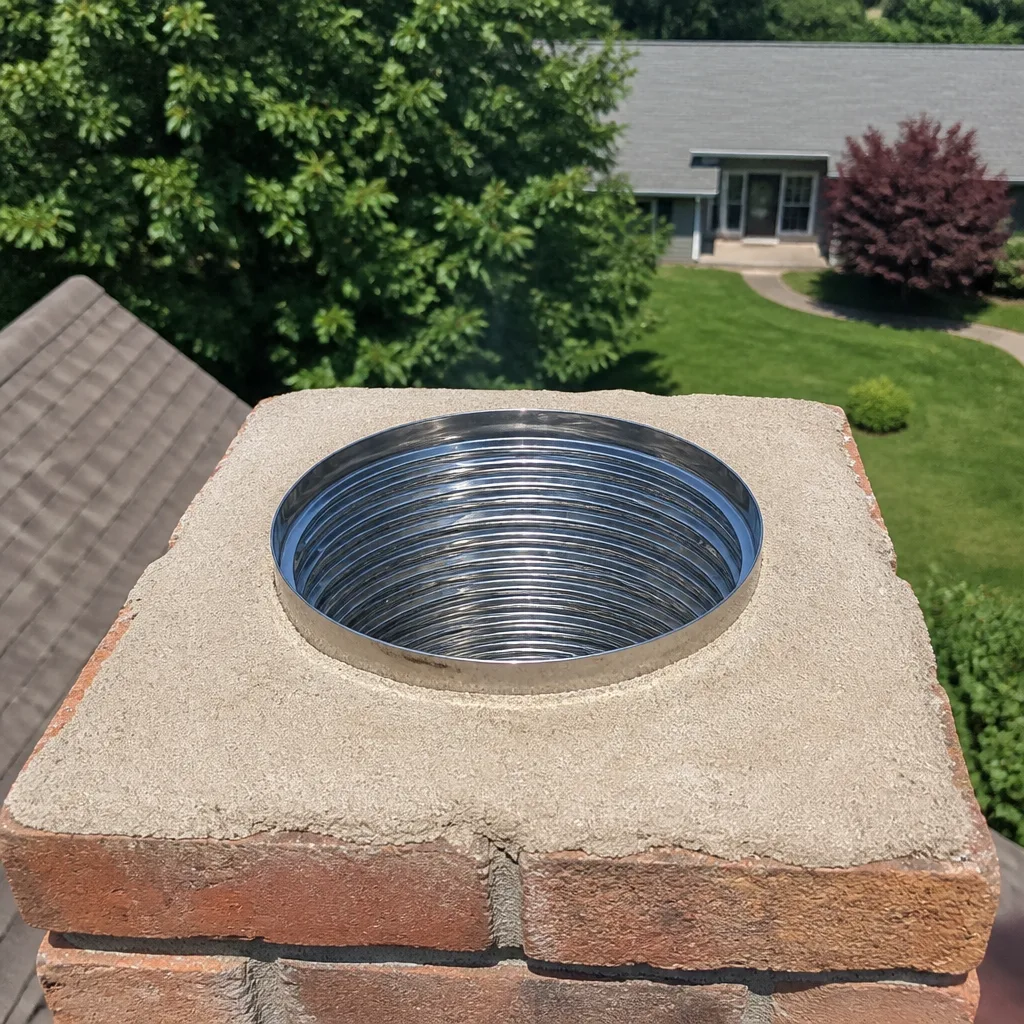
A shop that stocks materials from manufacturers like DuraFlex and HeatShield operates differently. DuraFlex is a stainless-steel liner system specified by chimney engineers on both residential and commercial projects. It is not a product a technician buys at a home center. It is a professional material that requires training to install correctly, and the fact that a contractor keeps inventory on hand means they install enough liners to justify the shelf space. HeatShield is the industry-standard system for restoring firebox and flue-tile damage without tearing down the entire chimney. A contractor who performs HeatShield restoration has made a capital investment in a repair capability that cleaning-only crews will never touch.
When you are vetting a contractor in Vista, ask which manufacturers they work with. A specific answer signals technical depth. A general answer, such as “we use quality products,” signals nothing. The brands are not secret knowledge. Famco, Copperfield, DuraFlex, HeatShield. These names appear in specifications from chimney engineers because they meet documented performance standards. A contractor who can discuss them by name is reading from a different playbook than the person who says “all liners are basically the same.” They are not.
Step 6: What Should Actually Happen During the Visit
A professional chimney visit in Vista follows a sequence. Understanding the sequence lets you recognize when steps are being skipped.
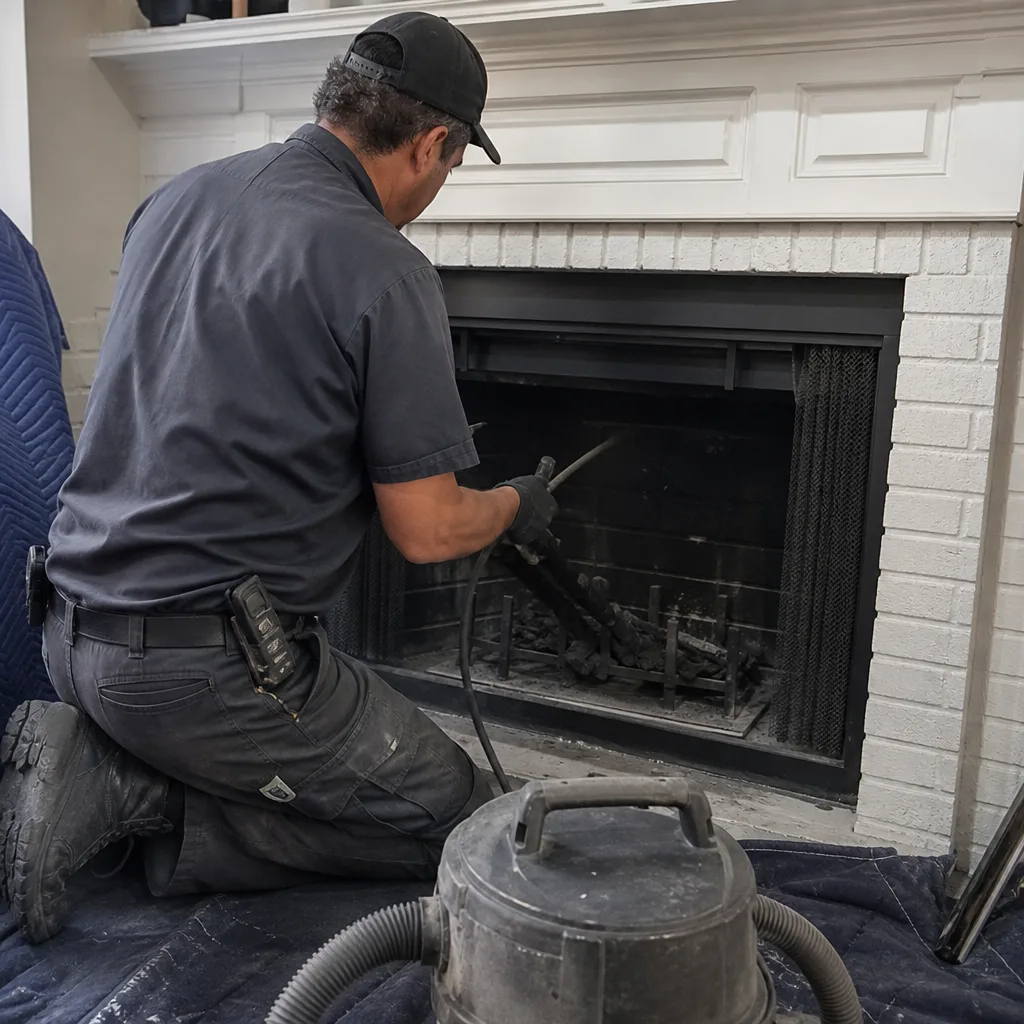
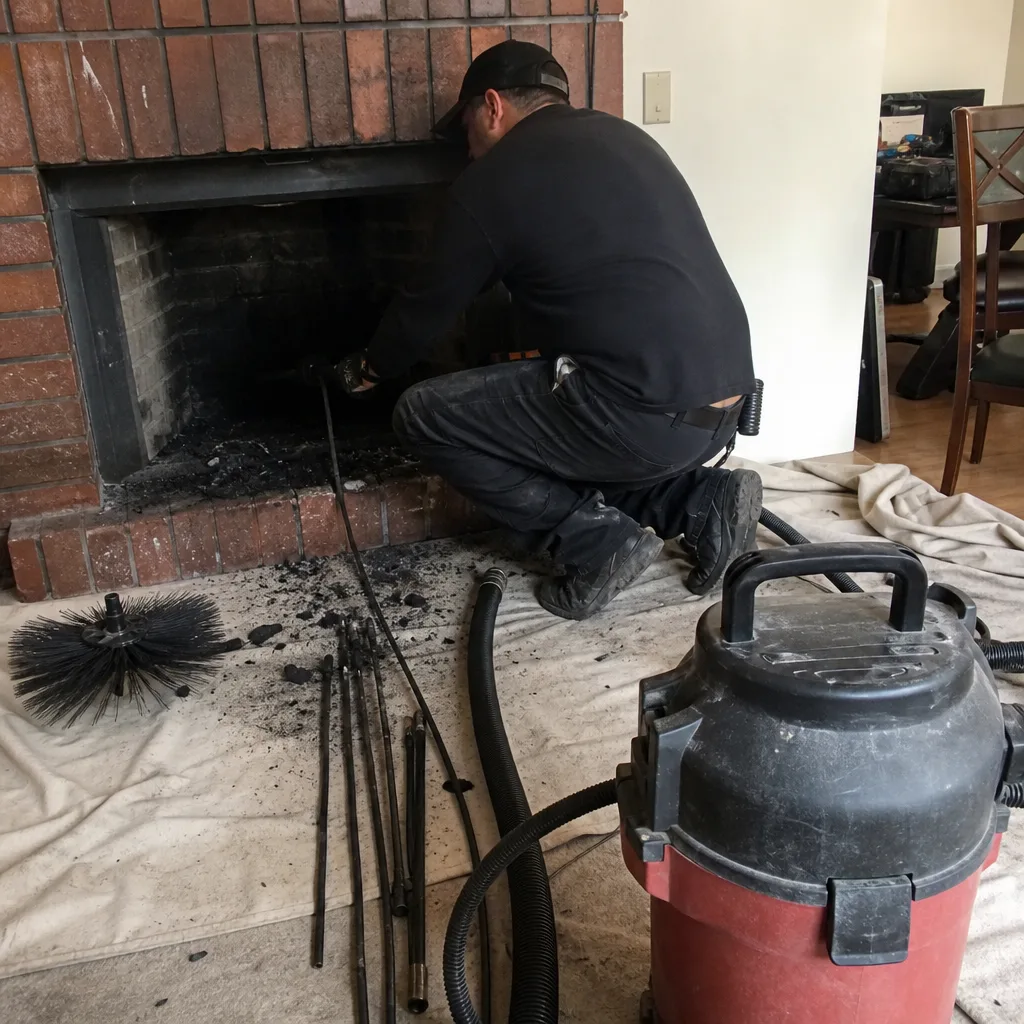
- Setup and protection. The technician lays drop cloths around the hearth and sets up a dust containment system before touching the flue. A HEPA vacuum runs throughout the sweep. If there is no dust containment, the crew is not professional.
- Visual assessment from the hearth. The technician checks the damper operation, firebox condition, and visible flue from below. Notes are taken. This is Level 1.
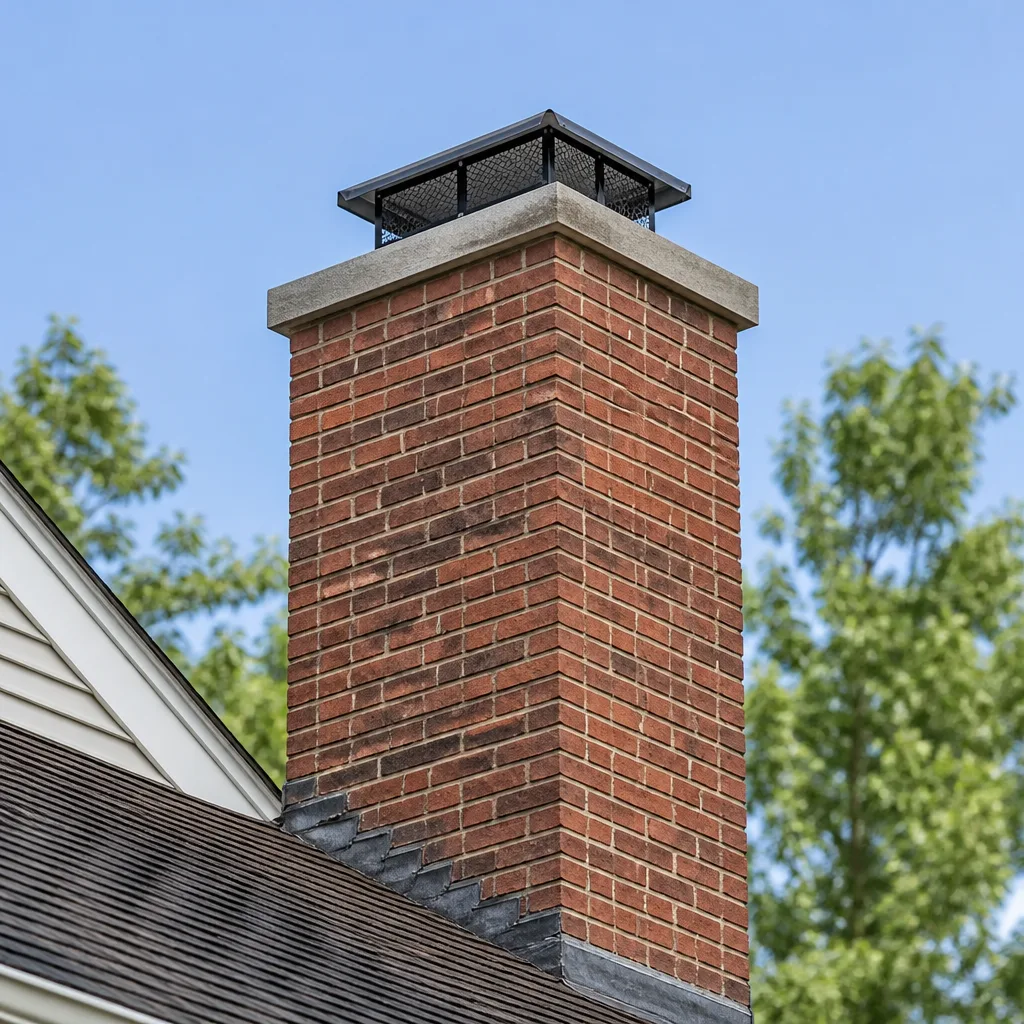
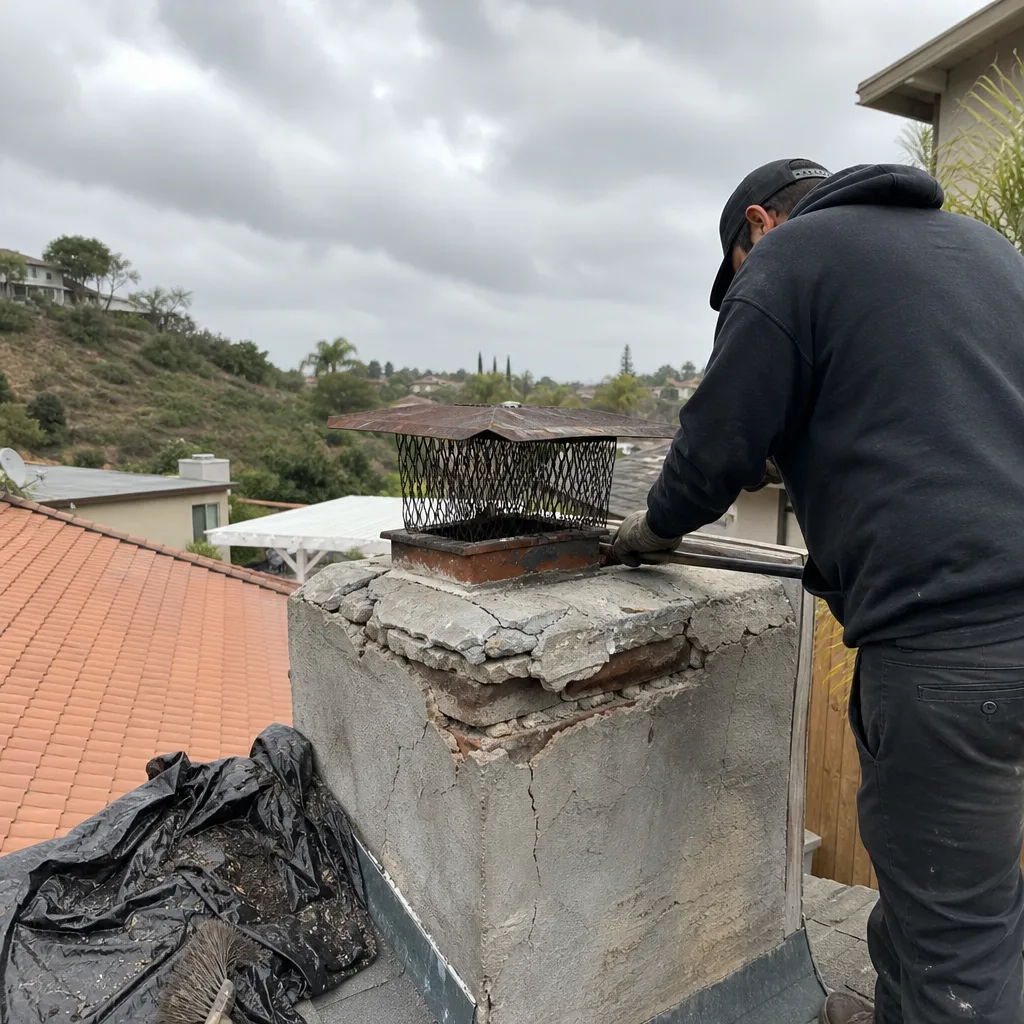
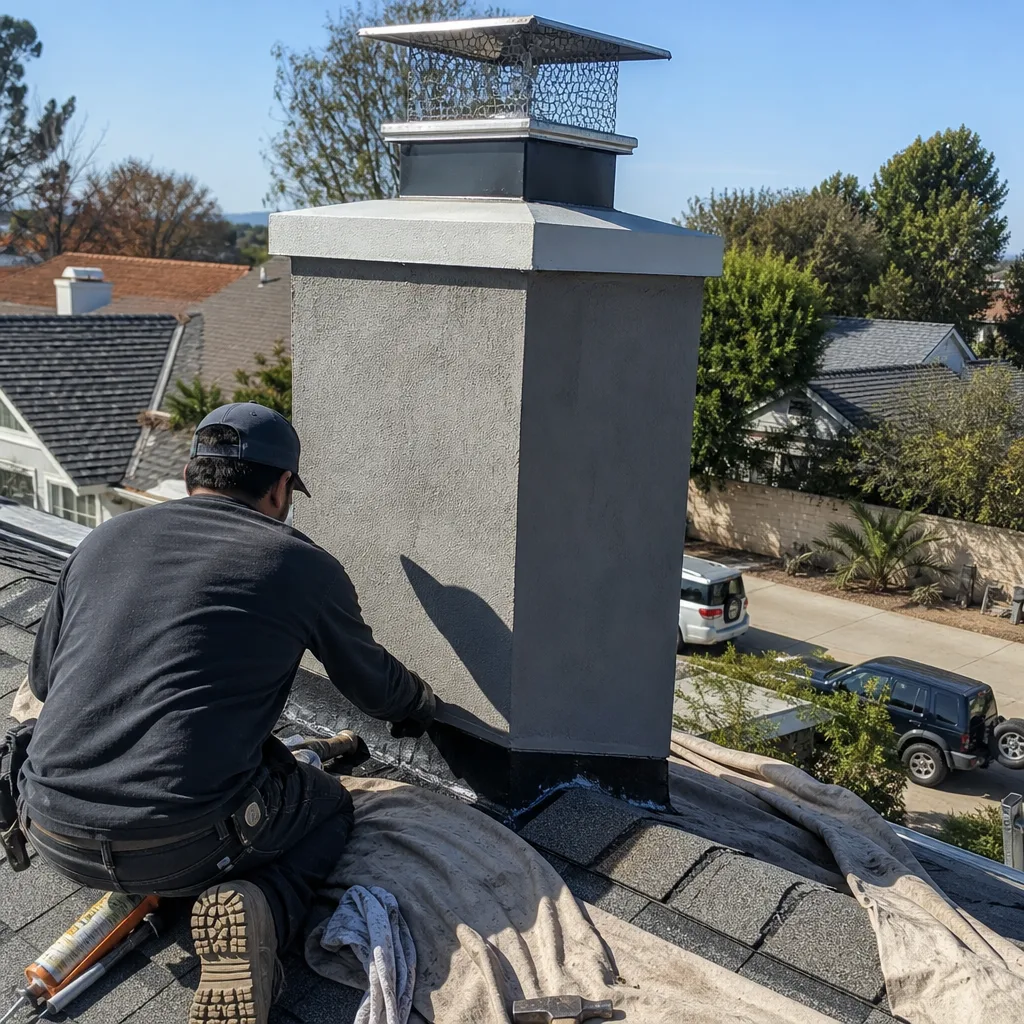
- Rooftop assessment. The technician goes up to inspect the cap, crown, and exterior masonry. Loose bricks, cracked mortar, and missing caps are documented. In Vista, sun exposure is constant, so exterior damage is common.
- Camera inspection of the flue interior. A video scope travels the full length of the flue liner. The technician narrates what the camera shows and saves still images. You should receive those images with the written report. If this step does not happen, the inspection is not complete.
- The sweep. Mechanical brushes sized to your flue diameter remove creosote from the liner walls. The smoke chamber and damper are swept too. Glazed creosote may require a chemical treatment or rotary loop system.
- Post-sweep verification. A quick camera pass or visual check confirms the flue walls are clean. Debris is removed. The hearth is left clean.
- The report. You receive a written summary with photos, condition notes, and any repair recommendations sorted by urgency. The technician walks you through findings face to face and answers questions. Nothing is recommended without a photo showing why.
If any step in that sequence is missing, ask why. A sweep without a rooftop assessment cannot see cap or crown damage. A sweep without a camera cannot see liner cracks. A sweep without a written report is a service without a record. Documenting the condition of your chimney matters because the next time you sell the home, a buyer’s home inspector will ask about the fireplace, and a documented maintenance history is an asset.
After the Sweep: Documenting What Was Found
The written report is the point of the entire visit. It is the evidence. It is what turns a cleaning appointment into a verifiable safety record. A proper report from a Vista chimney contractor includes dated photos of the flue interior, the exterior masonry, and any defect found. It separates findings by urgency: immediate fire hazards, issues to monitor, and items that are cosmetic or routine. It names the specific measurement of creosote buildup. The standard is simple. Creosote above 1/8 inch is a fire hazard, and the report should state whether your flue exceeded that threshold and where.
Keep the report with your home records. When you schedule your next sweep, which should be annually for regular wood burning, the new technician compares current condition against the prior documentation. That continuity is how slow-progressing damage gets caught before it becomes an emergency. A homeowner without a report is flying blind. A homeowner with a stack of dated reports has data.
If the report recommends a repair, take the time to understand it. Ask the technician to show you the photo again. Ask what happens if the repair waits a year. Ask what the repair prevents. A technician who takes the time to explain the “why” behind a recommendation is treating you like a client, not a transaction. Millbrook Chimney Sweep home service records include that photo evidence as standard practice.
Common Mistakes to Avoid
- Hiring based on price alone. The lowest quote in Vista is often from a crew that will not go on the roof, will not use a camera, and will not write a report. You will save $50 and learn nothing about your chimney. The most expensive mistake is paying twice: once for the cheap sweep, then again for the full assessment you actually needed.
- Skipping the camera inspection. A visual inspection cannot see the inside of a flue liner. Cracks, missing tiles, and hidden creosote deposits are invisible to the naked eye from the hearth or the roof. Without the camera, you have not gotten an inspection.
- Believing a repair recommendation without photographic evidence. No photo means no diagnosis. If a technician says you need a new liner but cannot show you the crack on camera, get a second opinion before spending thousands of dollars.
- Hiring a cleaning-only company after a repair diagnosis. If you already know your chimney needs repairs, hiring a sweep who cannot perform them means paying for two visits from two companies with no shared record. Hire a full-service contractor who can clean and repair in one engagement.
- Ignoring dryer vents because you hired a chimney company. The lint buildup inside a dryer vent is a leading cause of appliance-related house fires. A contractor who extends their scope to dryer vent cleaning in Vista understands that house-fire prevention does not stop at the chimney. If your contractor does not address it, you are leaving a separate ignition source unaddressed.
- Not checking the license. Ninety seconds on the CSLB website prevents hiring an unlicensed operator. Do the check every time, even for a referral.
- Deferring a documented repair for years. A cracked flue tile does not improve with age. It widens. It exposes the surrounding structure to heat transfer that a liner is designed to prevent. Every fire you burn after receiving a repair recommendation is a choice to accept that risk. The responsible action is to schedule the repair, not postpone it indefinitely.
When to Call a Professional
Any of these conditions justifies an immediate call. You see white staining on exterior bricks, which indicates moisture penetrating the masonry. You smell a strong creosote odor in the house even when the fireplace is cold. You notice smoke entering the room during a fire rather than going up the flue. You find flue tile fragments or masonry debris inside the firebox after a heavy rain. You have lived in the home more than two years and have never had the chimney inspected, regardless of how often you burn. A fireplace that has gone uninspected through multiple Vista winters is an unknown quantity, and unknown is not the same as safe. For guidance on urgent situations, see our Chimney Cleaning Emergency Preparedness Guide for Vista Homes. Millbrook Chimney Sweep offers free estimates in Vista. Call (833) 589-9711 and describe what you are seeing. The technician will tell you whether it needs immediate attention or can wait for a scheduled visit.
Frequently Asked Questions
A standard chimney sweep in Vista runs between $180 and $250 for an open fireplace with a straight flue. A Level 2 camera inspection adds $100 to $250 on top of that. If glazed creosote requires a rotary treatment, expect a higher rate. Be wary of quotes well below that range, because they usually omit the camera, the rooftop assessment, or both. Call (833) 589-9711 for an exact quote based on your specific chimney. Estimates are free.
The National Fire Protection Association recommends a sweep whenever creosote reaches 1/8 inch of buildup, and an annual inspection regardless. For Vista homeowners who burn wood regularly through the winter, once per year before burning season is the practical standard. Gas fireplaces require less frequent sweeping but still benefit from an annual inspection of the vent and termination cap. If you burn soft woods like pine, creosote builds faster and more frequent cleanings may be warranted.
Only if the camera evidence shows a structural defect: a cracked flue tile, a separated joint, or spalling that has opened a gap in the liner. A recommendation without a camera photo is not a diagnosis, and you should not authorize a liner replacement based on a verbal claim alone. Ask to see the image. If the damage is genuine, a stainless liner like a DuraFlex system resolves the safety issue without a full chimney rebuild. If the evidence is not there, get a second opinion.
CSIA certification means the technician passed an exam covering chimney inspection standards, fire codes, and installation principles. It requires continuing education to maintain. It establishes a baseline of knowledge. It does not mean the contractor is equipped to perform repairs, and it does not mean they carry professional-grade repair materials. Use certification as a filter, not as the whole vetting process. Ask about repair capability separately.
Yes, and the best ones do. Dryer lint buildup is a leading cause of appliance-related house fires. A contractor who extends their scope to dryer vent cleaning is thinking about house fire prevention as a complete system, not just a single appliance. Ask about it when booking your chimney service. It often makes sense to handle both in the same visit.
Creosote keeps building. At 1/8 inch it becomes a code-level fire hazard. A chimney fire burns hot enough to crack liners, melt mortar, and ignite surrounding structure. Even without a fire, an uncleaned flue restricts draft and pushes carbon monoxide back into the living space. The risks compound with every burn. A $200 sweep is a cheap way to avoid a situation that costs thousands to repair and can threaten the house. Call (833) 589-9711 to schedule an inspection before your next fire.
The Bottom Line
Hiring a chimney cleaning contractor in Vista should not be a passive transaction where you pick the first name in a search and hope for the best. It should be an active vetting process built around a few non-negotiable requirements: CSIA certification as a baseline, camera inspection as a standard deliverable, written reports with photos, and a demonstrated capability to perform the repairs they find. A contractor who stocks materials like DuraFlex and HeatShield is telling you they do this work seriously. A contractor who answers your questions directly and shows you the evidence is treating your safety as the point of the service, not an add-on. That is the contractor worth keeping in your contacts. That is the contractor worth calling every year.
If you are in Vista or the surrounding area, schedule a chimney sweep in Vista with a full inspection and camera report. We will show you what we found, explain what it means, and fix what needs fixing. Call (833) 589-9711 for a free estimate.
Written by the team at Millbrook Chimney Sweep, serving Vista since 2014. Browse more guides & resources from our team.
See the difference
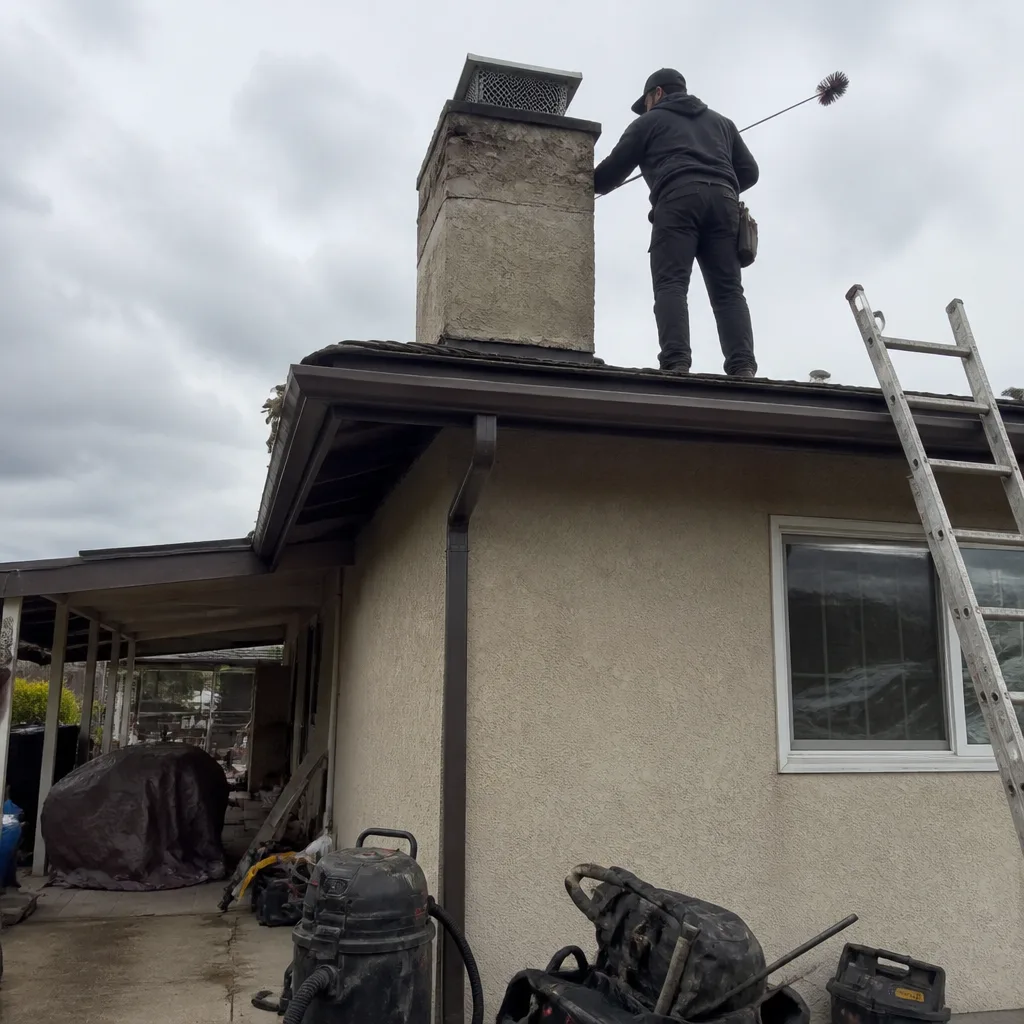 Before
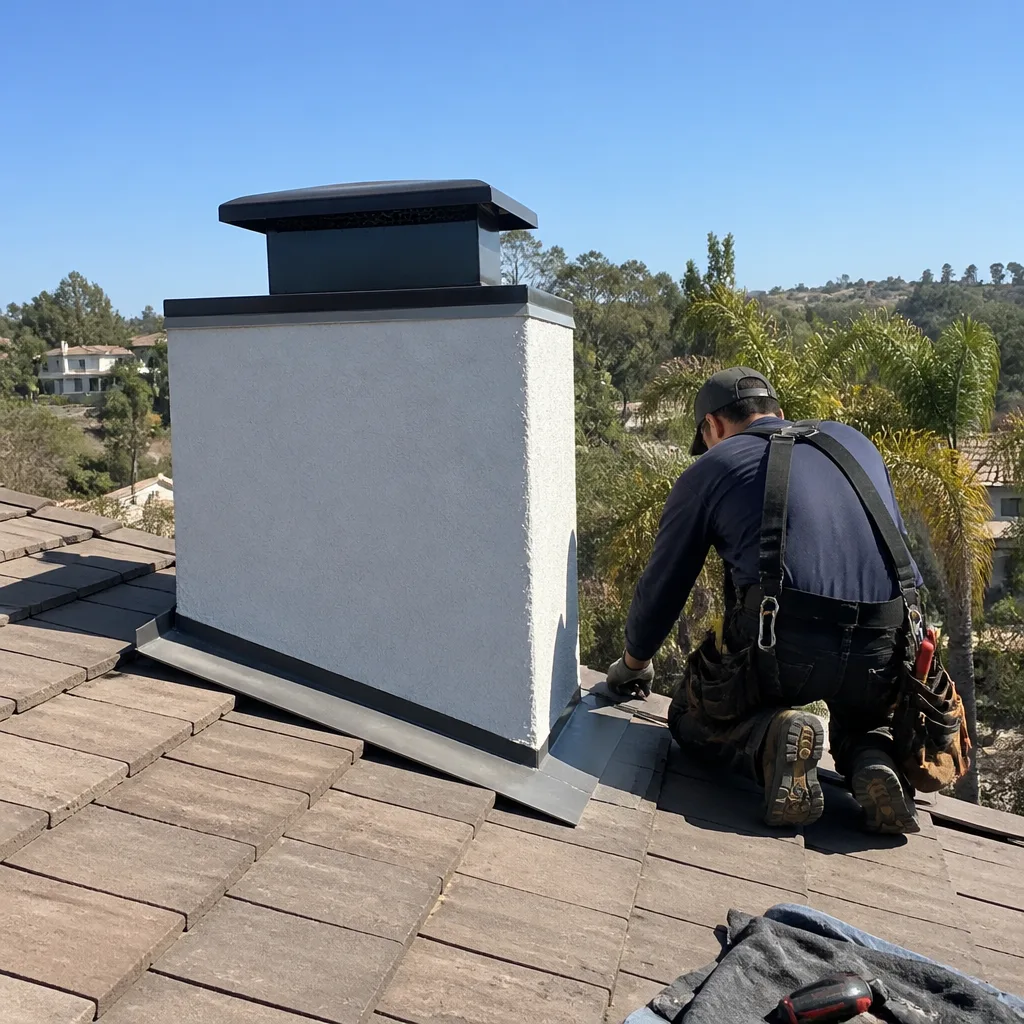 After
 Before
 After
 Before
 After