
Last updated November 2, 2026
 Sweep & inspection
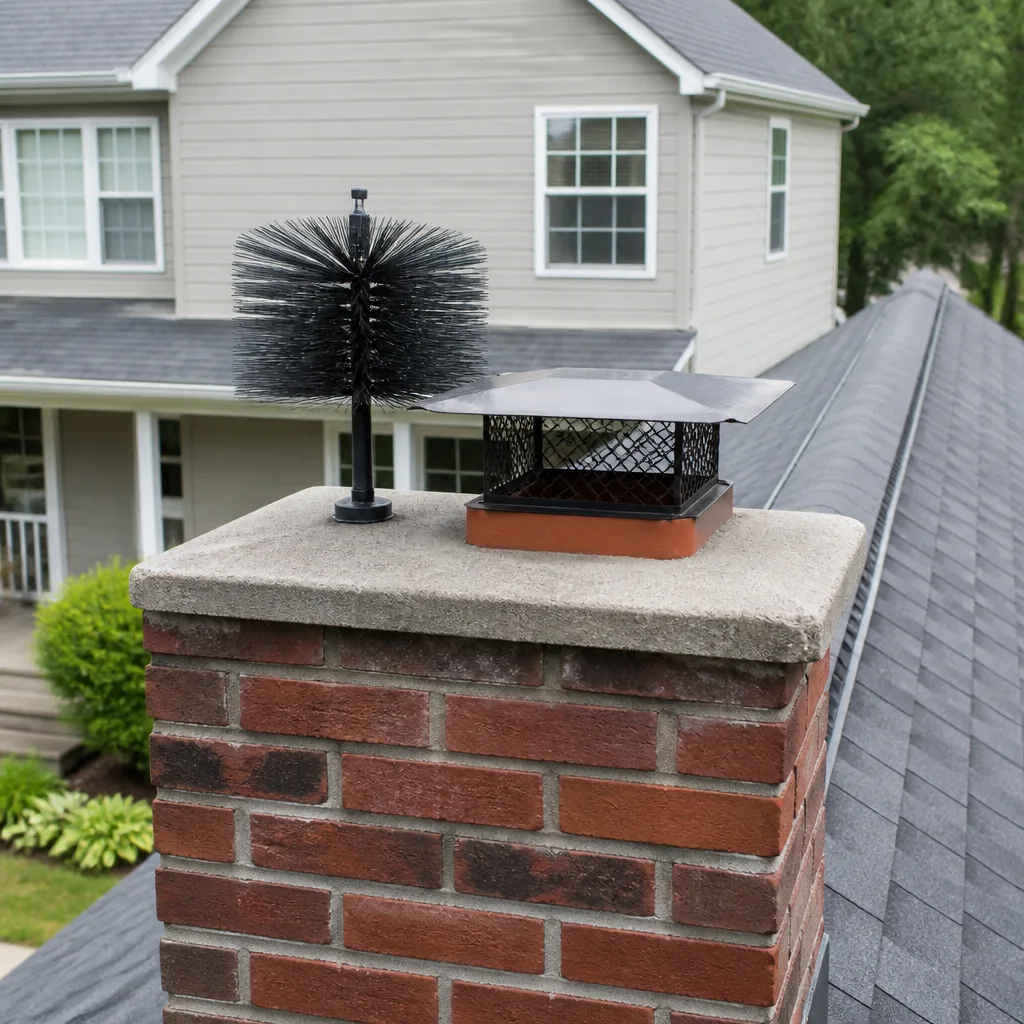
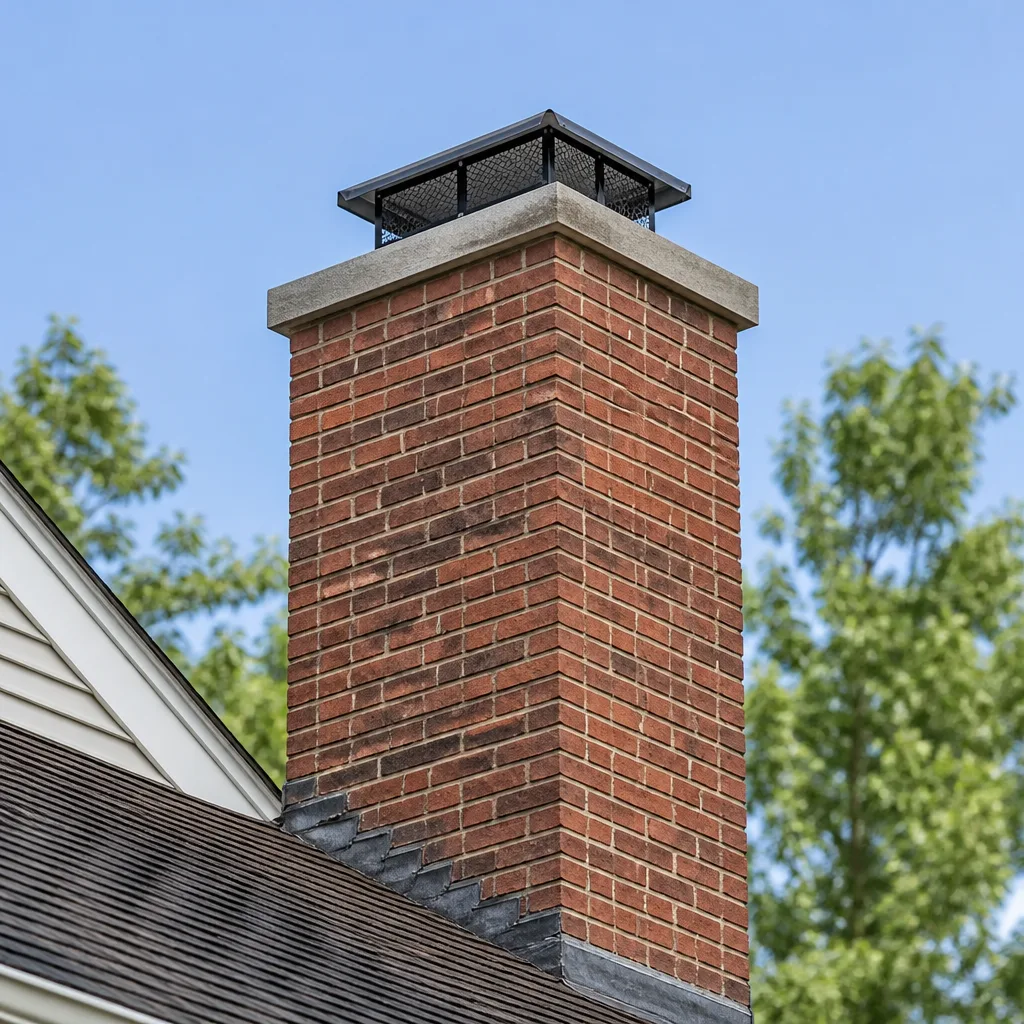 Caps & crowns
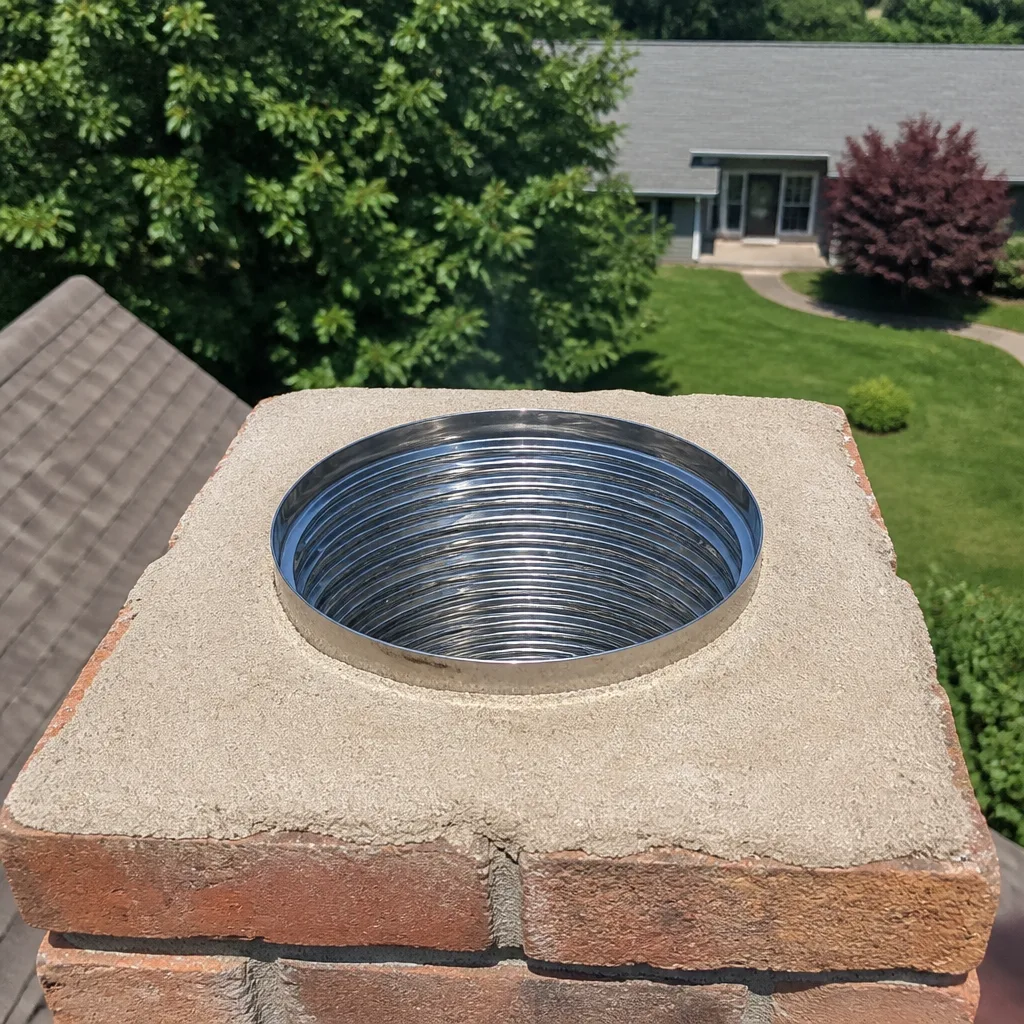 Flue relining
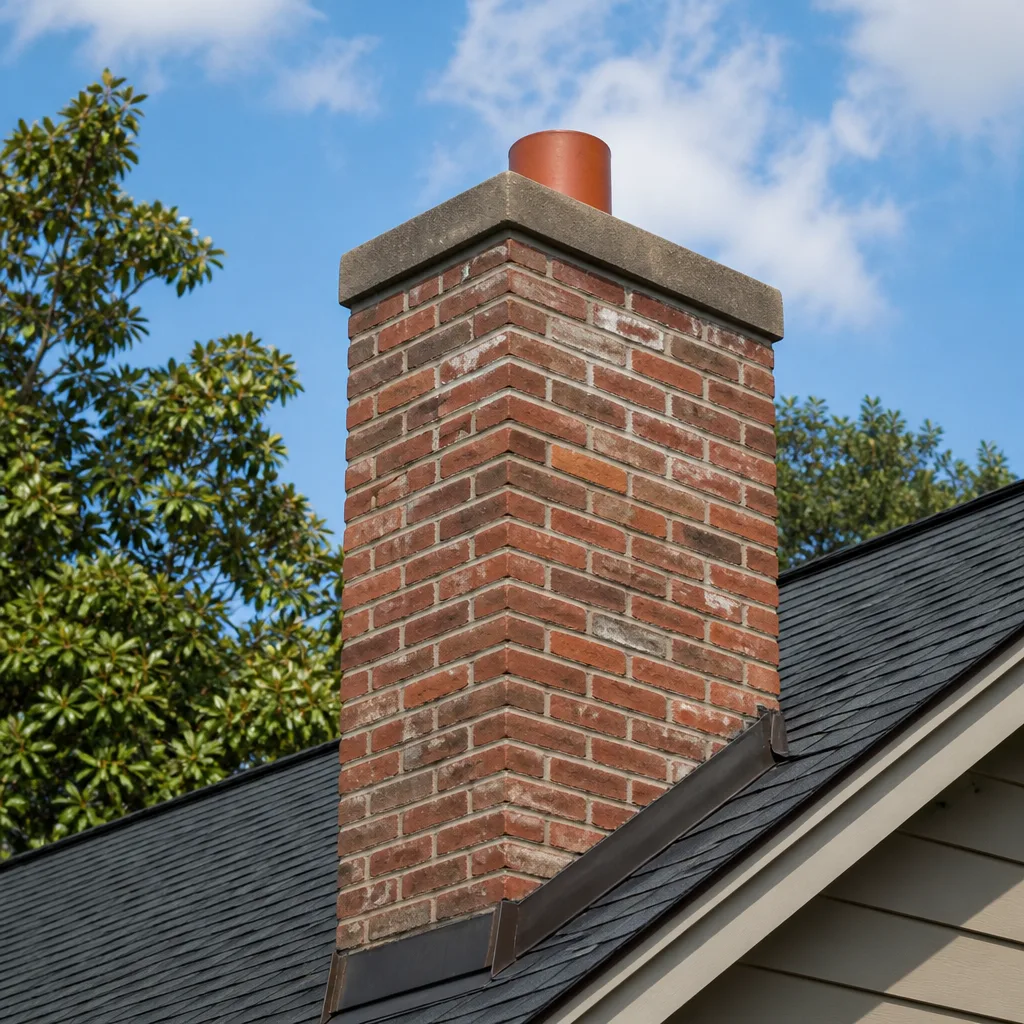 Masonry repair
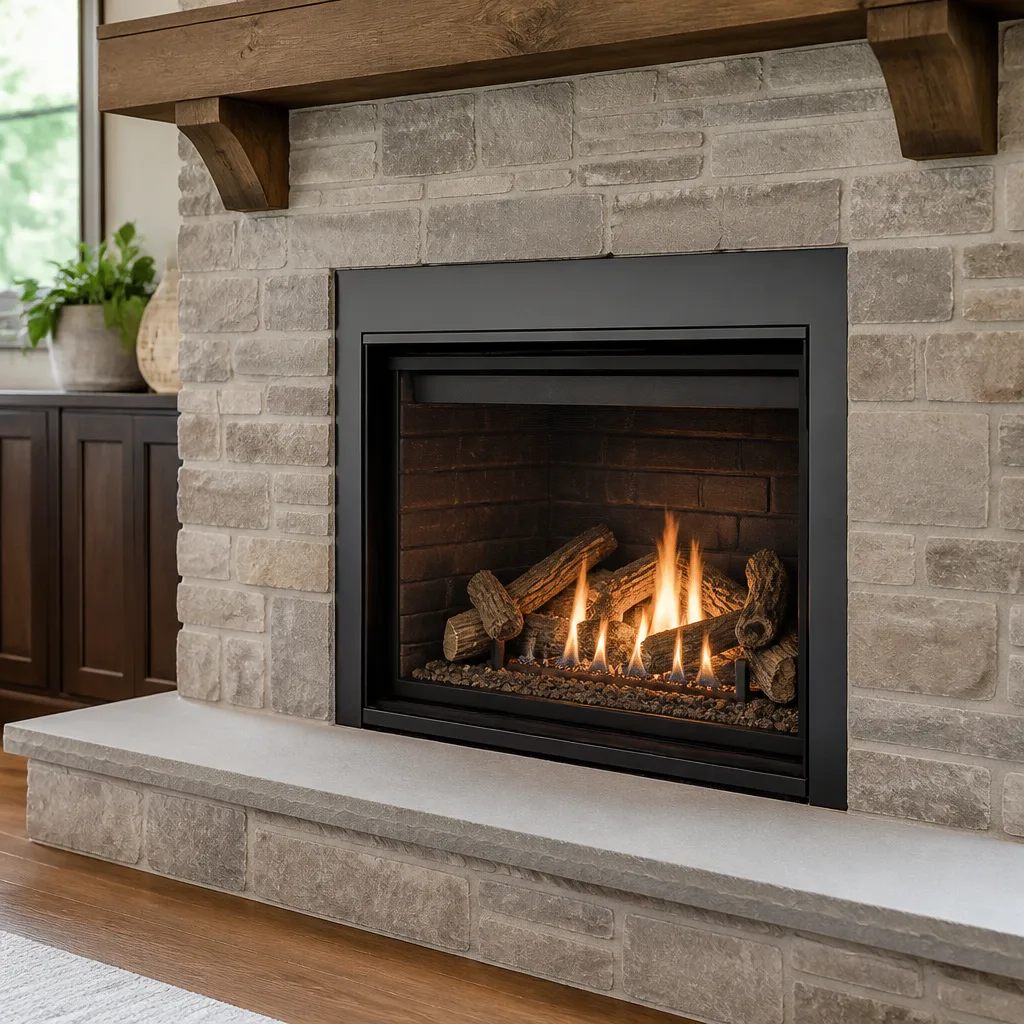 Gas fireplace service
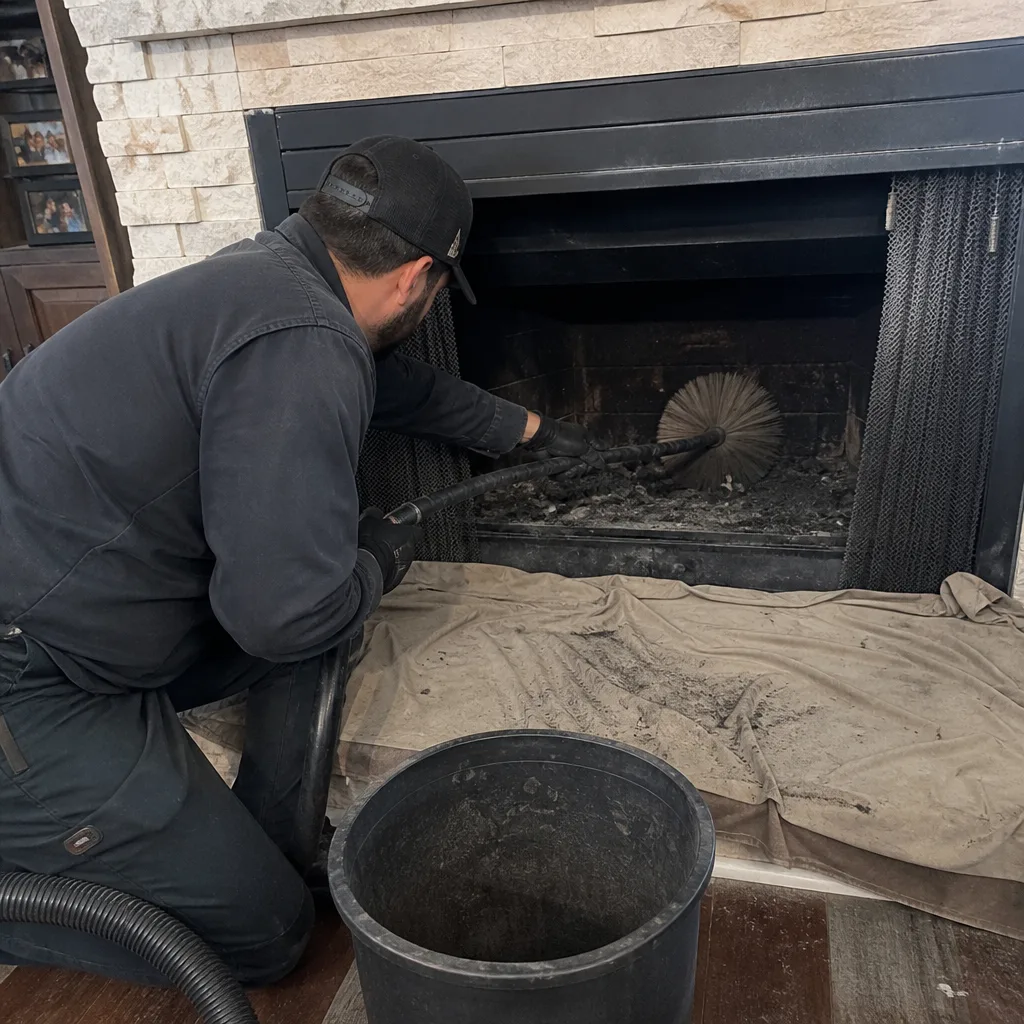
Level 1 sweep and inspection to the NFPA 211 annual standard - flue, crown, cap, and flashing checked and photographed
Chimney sweep logs do not sweep chimneys. They loosen some creosote - which then falls where a brush and vacuum still have to collect it.
Chimney Cleaning Warning Signs: A Vista Homeowner’s Reference Guide
That campfire smell drifting through your Vista living room on an 80-degree August afternoon is not nostalgia. It’s chemistry. Creosote, the tarry byproduct of wood combustion, begins volatilizing at surprisingly low temperatures. When your chimney absorbs direct sun and the flue interior hits roughly 110 degrees, Stage 2 creosote deposits release odor compounds into your home. If you smell last winter’s fires months after the last burn, the flue already carries a meaningful deposit. This guide maps the specific sights, smells, and sounds that tell you which part of your chimney is failing, how urgently it needs attention, and what each signal means for a Vista home specifically. For a deeper dive, see our Chimney Sweep Troubleshooting: Common Problems and How to Fix Them.
Quick Answer
The clearest chimney cleaning warning signs for Vista homeowners are: a persistent campfire or barbecue smell in warmer months, visible black or shiny tar-like glaze on the damper or firebox walls, smoke spilling into the room during use, a crackling sound during or after fires, and white mineral staining on exterior brick. Any one of these warrants a professional inspection, and several together mean you should stop using the fireplace until a certified sweep evaluates the flue. Millbrook Chimney Sweep provides chimney sweeping, repair, and dryer vent cleaning throughout Vista, and our team can assess any of these signs with a camera inspection.
Styles & brands we work with
- Sweep & inspection
- Caps & crowns
- Flue relining
- Masonry repair
- Gas fireplace service
Table of Contents
- The Smell Signals: What Your Nose Knows Before Your Eyes See It
- Visual Warning Signs in a Cold Chimney: What to Look for When the Fire’s Out
- Performance Signals During Use: Smoke, Sound, and Flame Behavior
- White Staining on Exterior Brick: The Early Warning Most People Miss
- Draft Problems: Creosote Restriction vs. Structural or Cap Issues
- Warning Sign Triage: Monitor, Schedule, or Stop Using Now
- Vista-Specific Factors: How Our Climate Accelerates Certain Warning Signs
- Common Mistakes to Avoid
- When to Call a Professional
- Frequently Asked Questions
The Smell Signals: What Your Nose Knows Before Your Eyes See It
Odor is usually the first warning sign, and it is also the most misinterpreted. Homeowners in Vista routinely tell us they assumed a faint smoke smell was normal for a house with a fireplace. It is not. A properly functioning chimney vents all combustion byproducts upward and out. What you smell indoors is what failed to exit.
Different smells point to different problems, and the distinction matters for triage:
- Campfire or smoked-barbecue smell, fireplace not used in weeks or months: This is creosote off-gassing, almost always Stage 2 or Stage 3 buildup. The odor intensifies on warm days or before rain, when barometric pressure drops and flue air sinks into the house. This is a clean-me-now signal. The deposit is thick enough to be chemically active at ambient temperature.
- Acrid, chemical, or burnt-plastic smell during or right after a fire: This points to something other than wood in the firebox or flue: painted lumber, treated scrap, or a foreign object lodged in the chimney. In Vista, where older homes in the Shadowridge and Buena Creek areas often have decades of accumulated debris, we’ve found everything from bird nests to children’s toys in flues. Stop burning until the flue is inspected.
- Musty or damp-earth smell, especially after rain: Moisture is entering the chimney, usually through a missing or damaged cap, cracked crown, or spalling brick. The smell is mold and mildew growing in the flue, and it almost never resolves without a repair. A Chimney Repair in Vista inspection will pinpoint the entry point.
- Sulfur or rotten-egg smell in a home with a gas fireplace: This can indicate a venting issue with the gas appliance, and it warrants immediate attention. Do not ignore this one.
In our experience, the warm-season campfire smell is the one Vista homeowners dismiss most often. They assume it is the neighbor’s fire pit or a lingering scent in the masonry. The truth is that a neighbor’s fire pit rarely penetrates a closed house, and masonry does not hold combustion odor for six months. If you smell it, it is in the flue.
Visual Warning Signs in a Cold Chimney: What to Look for When the Fire’s Out
You do not need a fire burning to read a chimney. Most serious problems are visible in a cold, dormant fireplace, and the inspection takes five minutes with a flashlight.
Open the damper and aim the light upward. Here is what to look for, and what each finding means:
- Shiny, tar-like glaze on the flue walls or damper plate. This is Stage 3 creosote, the most concentrated and combustible form. It burns like fuel at temperatures above 1,000 degrees Fahrenheit, and it is the deposit responsible for most chimney fires. Do not burn another fire until a professional removes it. Millbrook Chimney Sweep routinely encounters Stage 3 glaze in Vista homes that have burned unseasoned wood or burned with the damper partially closed.
- Black soot that wipes off like dust. This is Stage 1 creosote, the soft and flaky early stage. It is a normal byproduct of occasional burning, but it should be removed annually before it layers and converts to thicker stages. A standard sweep handles this easily.
- Flaking white or gray deposits on the firebox walls. This is spalling, usually caused by water intrusion through the crown or brick. The firebox mortar is degrading because moisture is cycling through it. It will not fix itself, and the longer it goes, the more brick you lose.
- Rust on the damper, firebox grate, or metal components. Rust means water is getting in. In Vista’s coastal-influenced air, rust advances faster than in drier inland climates. A rusty damper is also harder to operate and may seize entirely.
- Debris at the firebox floor: twigs, leaves, nesting material, dead insects. This means the cap is missing, damaged, or improperly sized. Without a cap, the flue is open to wildlife, rain, and wind-blown debris. Birds are a particular problem in Vista, where chimney swifts and starlings nest in uncapped flues every spring.
The key distinction: some of these findings are maintenance issues, and some are structural. Soot and light creosote are maintenance, solved with a sweep. Glaze, spalling, rust, and debris point to either a deeper cleaning need or a structural deficiency, both of which the team at Millbrook Chimney Sweep home handles under one engagement.
Performance Signals During Use: Smoke, Sound, and Flame Behavior
A burning fire tells you in real time whether the flue is doing its job. Learn to read these three signals, and you will catch problems before they become fires.
Smoke spilling into the room. Smoke should travel straight up the flue, not curl into the living space. Occasional wisps during lighting are common, especially on cold starts, but sustained spillage means the draft is failing. Common causes include creosote restriction narrowing the flue, a closed or partially closed damper, a cap that is blocked or too low, and negative pressure inside the house from exhaust fans or a tight building envelope. Vista homes built in the last two decades are often more tightly sealed than older construction, which makes negative pressure a real factor. If you have to crack a window just to keep smoke out of the room, the flue or the house ventilation needs attention.
Unusual sounds during or after a fire. A healthy fire pops and crackles from the wood itself. What you should not hear:
- A loud, rhythmic whooshing or roaring sound from the chimney, like a jet engine, indicates a chimney fire is actively burning. This is an emergency. Evacuate and call 911.
- A crackling sound continuing after the fire is out, coming from inside the flue, often means creosote is cooling and contracting but can also indicate a slow smolder inside a thick deposit. Treat it as a warning.
- A metallic pinging or ticking during heating and cooling cycles often indicates a warping damper or liner. It is not urgent on its own, but it signals that the metal is under thermal stress, and it should be checked before the season ends.
Flame behavior that looks wrong. A healthy wood fire burns bright yellow and orange with active movement. If the flame is lazy, smoky, and struggling to stay lit, the flue is not drawing. If the flame pulls strongly to one side, there may be an obstruction or a structural narrowing above. Both conditions produce more creosote per burn, which compounds the problem with every fire.
White Staining on Exterior Brick: The Early Warning Most People Miss
Walk outside and look at the chimney from the ground. If you see a white, chalky film on the brick, almost like a dusting of salt, that is efflorescence. It is the single most overlooked chimney warning sign in Vista, and it is a moisture signal that predates visible brick damage by months or even years.
Efflorescence happens when water penetrates the masonry, dissolves naturally occurring salts inside the brick and mortar, and carries them to the surface. When the water evaporates, the salt remains as a white mineral stain. It is not cosmetic. It is proof that water is inside the chimney structure.
The typical progression looks like this in Vista homes:
- Months 0-12: White staining appears, usually after the first winter rains. Many homeowners wash it off or ignore it.
- Months 12-24: The staining returns, often spreading. Brick faces begin showing hairline cracks.
- Months 24-48: Spalling begins: brick faces pop off, mortar joints erode, and the chimney crown shows cracking. By this point, the repair cost has moved from a few hundred dollars for sealing to several thousand for masonry restoration.
The source of water entry is usually one of three things: a failed chimney crown, a missing or damaged cap, or deteriorated mortar joints. Each has a different fix, and guessing wrong means the staining returns next season. A camera inspection is the fast way to identify the source, and it is part of every Chimney Sweep in Vista visit from Millbrook.
Draft Problems: Creosote Restriction vs. Structural or Cap Issues
A weak draft is the most common performance complaint we hear from Vista homeowners, and it is also the most commonly misdiagnosed. The fix for a creosote-restricted flue is completely different from the fix for a structural or cap problem, and treating one like the other wastes money.
Here is how to tell them apart:
Creosote restriction builds gradually. If the fireplace drafted fine last season and has gotten worse every month you burn, narrowing from creosote accumulation is the likely cause. Each fire deposits material, and the flue diameter effectively shrinks. The fireplace burns lazier, the room smells smokier, and the glass doors, if you have them, soot up faster. The fix is a thorough sweep, which removes the restriction and restores full draft in a single visit.
Structural or cap issues are usually more sudden or weather-linked. If the draft was fine all season and suddenly fails after a storm, look for a blocked or damaged cap, a dislodged bird nest, or water-saturated masonry. If the draft fails only on windy days, the cap may be the wrong type for your roofline. If it fails whenever the house is sealed tight, the problem is likely negative pressure rather than the chimney itself. These are diagnostic problems, not cleaning problems, and they need a trained eye.
We repair what we find. If a sweep reveals that the draft issue is actually a cracked flue tile or a rusted damper, Millbrook performs that Chimney Repair in Vista on the same engagement, using materials like HeatShield restoration for damaged fireboxes and DuraFlex stainless liners when the flue needs relining. You do not get handed a referral to a second contractor and told to start over.
Warning Sign Triage: Monitor, Schedule, or Stop Using Now
Not every warning sign means the fireplace is unsafe to use tonight. But some do, and the difference is worth understanding clearly. Here is a plain-language triage system for what we see in Vista homes.
Monitor and schedule (safe to burn, but book a sweep this season):
- Stage 1 soot or light dusty creosote on flue walls
- Faint smoke smell only during the first fire after a long dormant period
- Minor efflorescence that appeared recently and has not spread
- A damper that sticks slightly but still opens and closes
Stop using the fireplace and call for an inspection before the next burn:
- Shiny, tar-like glaze visible on any accessible flue surface
- Campfire smell in the house on warm days when the fireplace is cold
- Smoke spilling into the room on every burn, not just lighting
- White staining that has spread across multiple brick faces or accompanies visible cracks
- Debris, nesting material, or dead animals in the firebox
- Any evidence of water inside the firebox: rust, damp ash, musty odor
Emergency: evacuate and call 911, then call a professional once the fire is out:
- A roaring sound from the chimney, like a freight train
- Flames visible from the top of the chimney outside
- Heavy smoke or heat coming through walls near the chimney
The middle category is where most Vista homeowners live: they have a warning sign, they know something is wrong, but the fireplace still technically works. Every fire burned in that condition adds creosote or worsens the structural defect. The problem only compounds.
Vista-Specific Factors: How Our Climate Accelerates Certain Warning Signs
Vista’s climate creates a particular pattern of chimney problems that differs from what homeowners in colder or drier regions experience. Understanding these local factors helps you interpret warning signs more accurately.
The coastal marine layer and moisture cycle. Vista sits far enough inland to avoid constant ocean fog, but close enough that humid air reaches the area regularly, especially in spring and early summer. Masonry chimneys absorb this moisture during humid periods and release it during dry heat. This repeated cycle stresses mortar joints and accelerates spalling. Efflorescence appears faster here than in, say, Escondido or Valley Center, because the moisture cycle is more frequent.
The shoulder-season burn pattern. Many Vista homeowners burn occasionally in the cooler months rather than running a fireplace all winter. This creates a specific creosote pattern: fires that burn hot for an hour or two, then smolder as the homeowner goes to bed. Smoldering fires produce creosote faster than active flames, and short burn seasons mean deposits are not regularly burned off by sustained hot fires. The result is often a thicker-than-expected creosote layer even with modest use.
Wildfire-season air and down-draft days. During Santa Ana wind events and wildfire season, the air pressure shifts noticeably. Homeowners report sudden smoke smells and draft failures during these periods, even in chimneys that worked fine the week before. Wind-driven pressure changes will expose marginal draft issues that normal conditions mask.
Older housing stock with original masonry. Much of central Vista’s housing was built in the 1960s through 1980s, and many of those homes have original brick chimneys that have never had crown or mortar work. If your home falls into that category and the chimney has not been inspected in the last decade, the odds of some level of water intrusion are high.
None of these factors are reasons to panic. They are reasons to look more carefully at what your chimney is telling you, and to schedule inspections at intervals that reflect local conditions rather than generic national advice.
Common Mistakes to Avoid
- Assuming a smoke smell is “just how fireplaces are.” A properly working fireplace does not fill your Vista home with the smell of last month’s fire. If you smell it, the flue is not venting correctly, and the cause is identifiable.
- Washing off efflorescence and considering the problem solved. The staining returns every time until the water entry point is sealed. Cleaning the surface is cosmetic; fixing the crown, cap, or mortar is the repair.
- Burning unseasoned wood to save money. Wet or green wood produces far more creosote per cord than properly seasoned wood, and it burns cooler, which compounds the deposit problem. The money saved on wood gets spent on more frequent sweeping, or worse.
- Waiting for the “right time” to schedule a sweep. In Vista, the right time is before the burn season, not during it. Sweeps book out in late fall, and waiting until the first cold night usually means waiting weeks with a dirty flue.
- Ignoring dryer vent buildup because the chimney seems fine. Dryer vents are a leading household fire source per NFPA data, and they share a common failure mode with chimneys: lint accumulates gradually until it restricts airflow and ignites. Millbrook includes Dryer Vent Cleaning in Vista as a core service for exactly this reason.
- Assuming a chimney fire that “burned itself out” left no damage. Even a brief chimney fire can crack flue tiles, warp a damper, or compromise the liner. After any chimney fire, the flue should be inspected before the next burn, no exceptions.
When to Call a Professional
Call a professional when the warning sign is telling you something you cannot verify yourself. That includes any Stage 2 or Stage 3 creosote finding, any water intrusion signal, any draft failure you cannot explain, and any post-fire inspection need. It also includes every annual inspection, because the flue interior is only truly visible with a camera, and what you cannot see is where fires start. Millbrook Chimney Sweep offers free estimates in Vista, and our team performs the sweep, repair, or dryer vent service on the first visit. Call (833) 589-9711 to schedule an inspection or describe what you are seeing.
Frequently Asked Questions
Your chimney needs cleaning if you see black soot or shiny creosote on the flue walls, smell a campfire odor when the fireplace is cold, notice smoke spilling into the room during use, or find debris in the firebox. For help selecting a provider, read our Choosing the Right Chimney Cleaning Brand: A Buyer’s Guide for Vista. Any one of these signals means the flue is not venting cleanly, and a professional sweep will resolve the deposit. Call (833) 589-9711 for an assessment in Vista.
A standard chimney sweep in Vista typically ranges from $150 to $300 depending on the flue condition, accessibility, and whether significant creosote removal is needed. Additional services like camera inspections, cap installation, or repairs are quoted separately. Millbrook Chimney Sweep provides flat-price estimates before work begins, so there are no surprises after the fact.
The National Fire Protection Association recommends an annual inspection, and sweeping at least once per year if you burn wood regularly. Vista homeowners who burn occasionally may be able to stretch to 18 months, but the inspection should still be annual, because moisture and wildlife issues develop even in unused chimneys.
Creosote accumulates in layers, and once it reaches Stage 2 or Stage 3, it becomes a fuel source inside your flue. A hot fire can ignite it, producing a chimney fire that burns at temperatures high enough to crack flue tiles and spread to the home’s framing. Skipping cleaning also allows water damage and animal intrusion to progress undetected. The risk compounds every season.
Summer chimney smell is almost always creosote off-gassing. The sun heats the flue, the creosote warms, and the odor compounds sink into your living space. It is a strong signal that the flue carries a significant deposit, and it will not improve on its own. A sweep removes the source of the odor entirely.
You need a liner repair or replacement, but not necessarily a full reline. Minor cracks in some flue types can be restored with HeatShield, the industry-standard resurfacing system that Millbrook Chimney Sweep installs. If the liner is too far gone, a DuraFlex stainless steel liner is the long-term fix. A camera inspection will show exactly which option applies to your chimney, and we will show you the footage so you can see the damage yourself before approving any work.
The Bottom Line
Chimney warning signs are a language, and once you learn to read them, they tell you exactly what is wrong and roughly how urgent it is. Warm-weather smoke smell says creosote. White staining says water entry. Smoke spillage says draft failure, and the cause is findable. The common thread is that none of these signals self-correct. Every one of them gets more expensive and more dangerous the longer it is ignored. Vista’s climate and housing stock make annual inspection the smart baseline, and our team at Millbrook Chimney Sweep covers the full arc: inspection, cleaning, repair, and dryer vent service. One call, complete chimney care. Call (833) 589-9711 for a free estimate.
Written by the team at Millbrook Chimney Sweep, serving Vista since 2014. Explore more guides & resources on chimney care.
See the difference
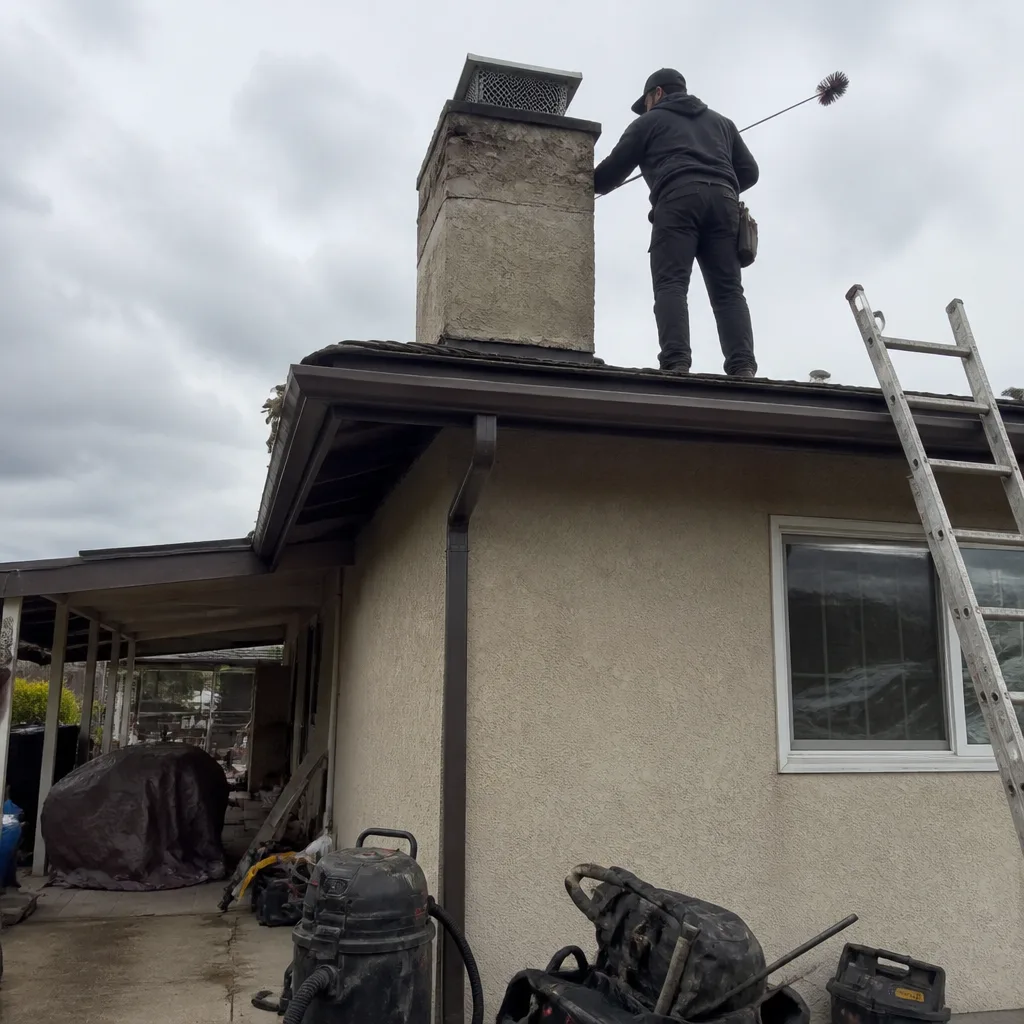 Before
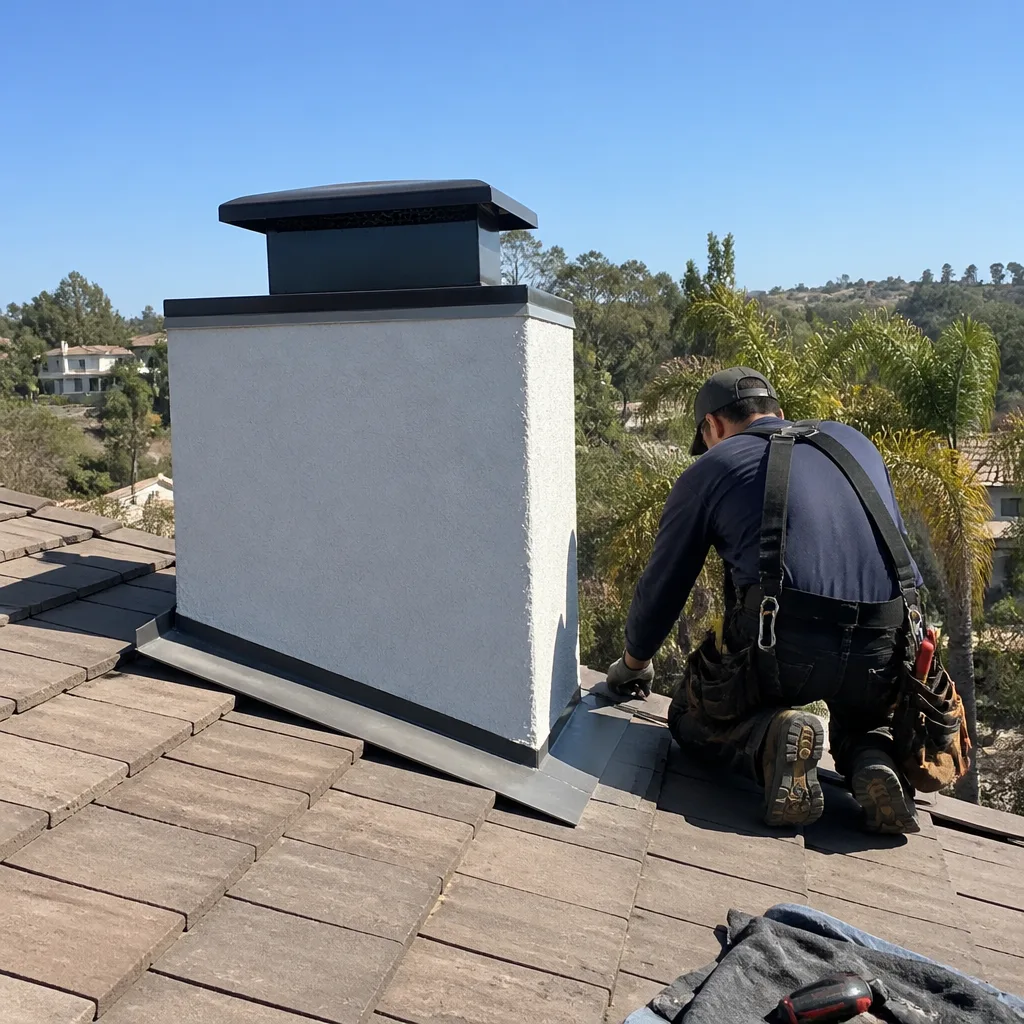 After
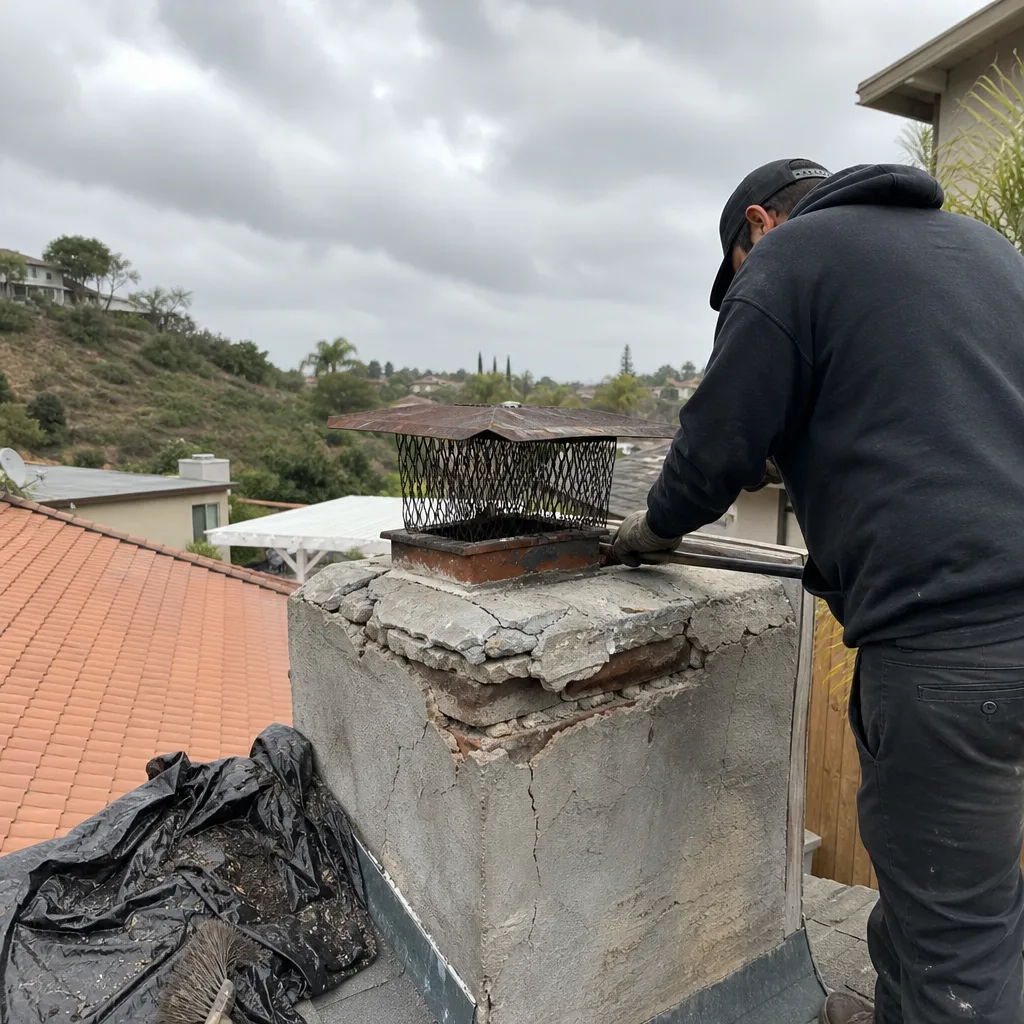 Before
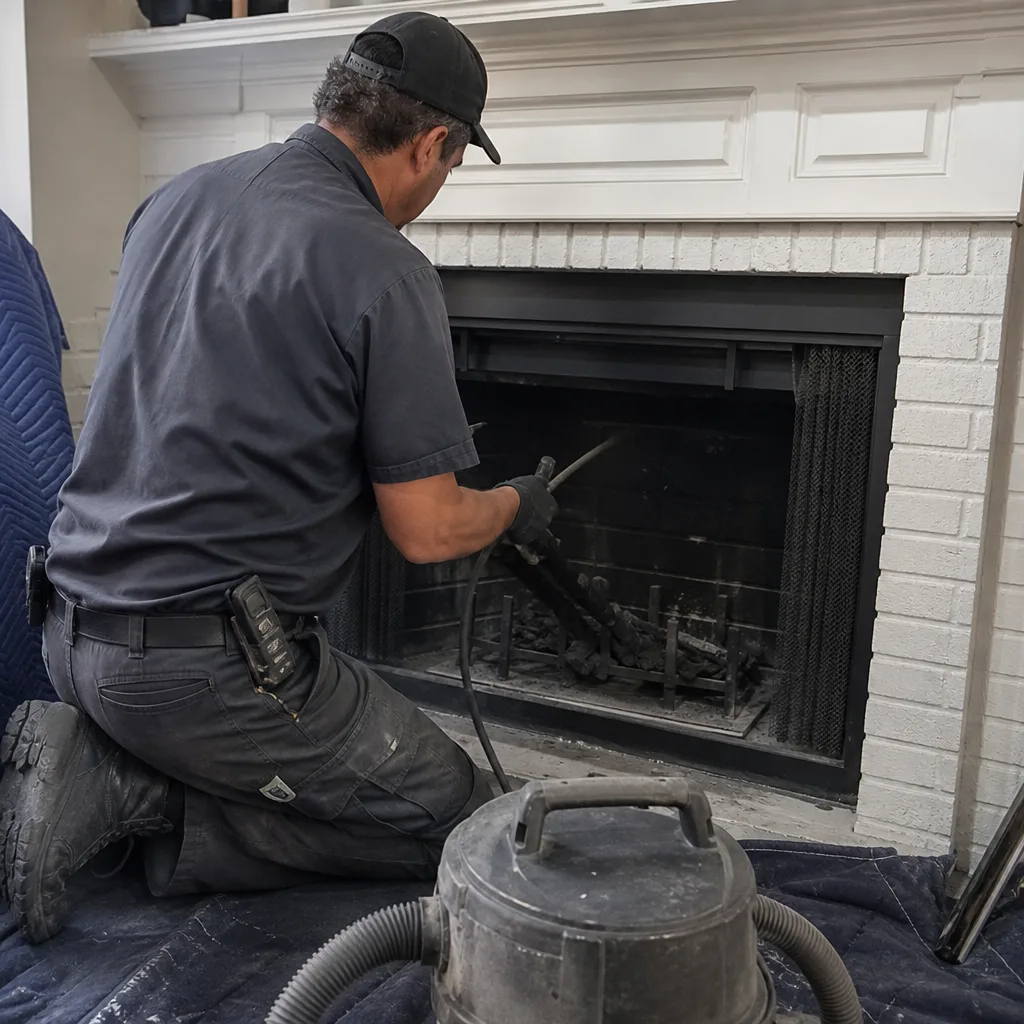 After
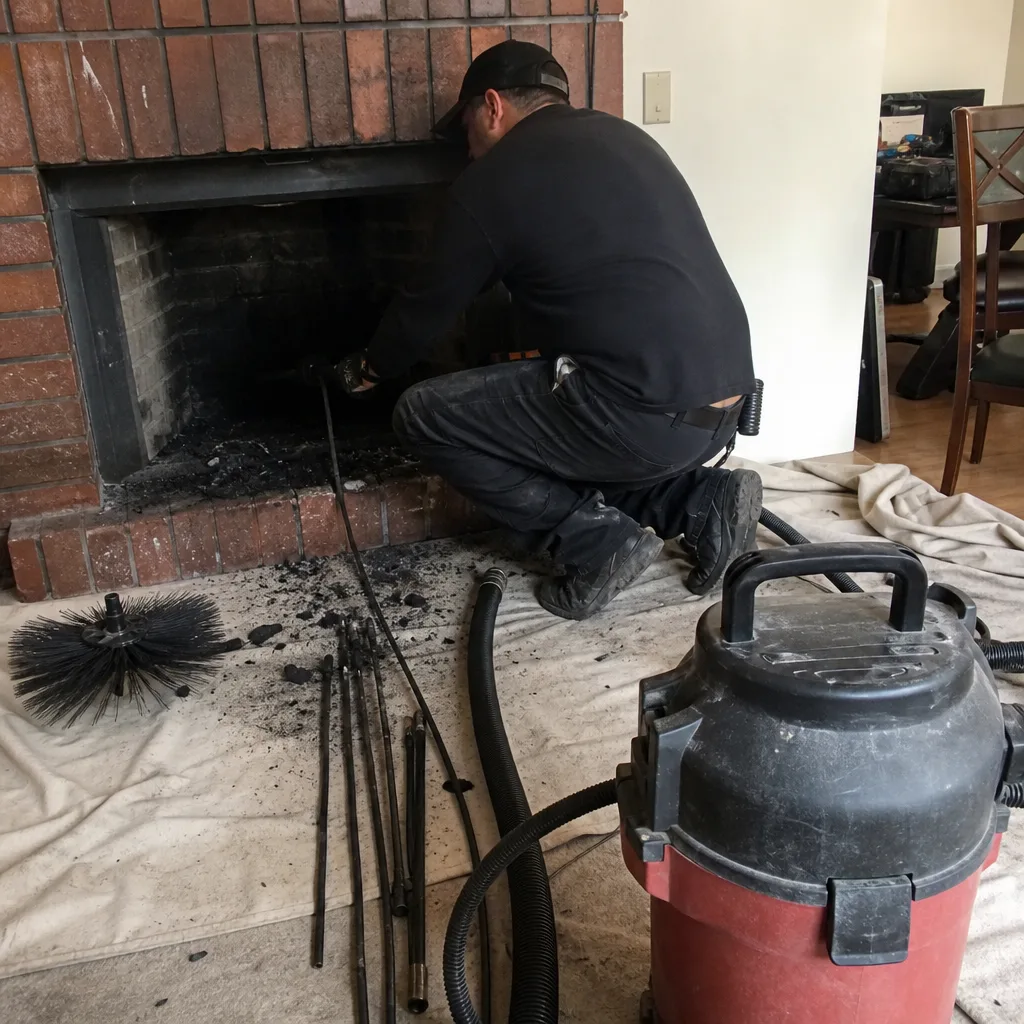 Before
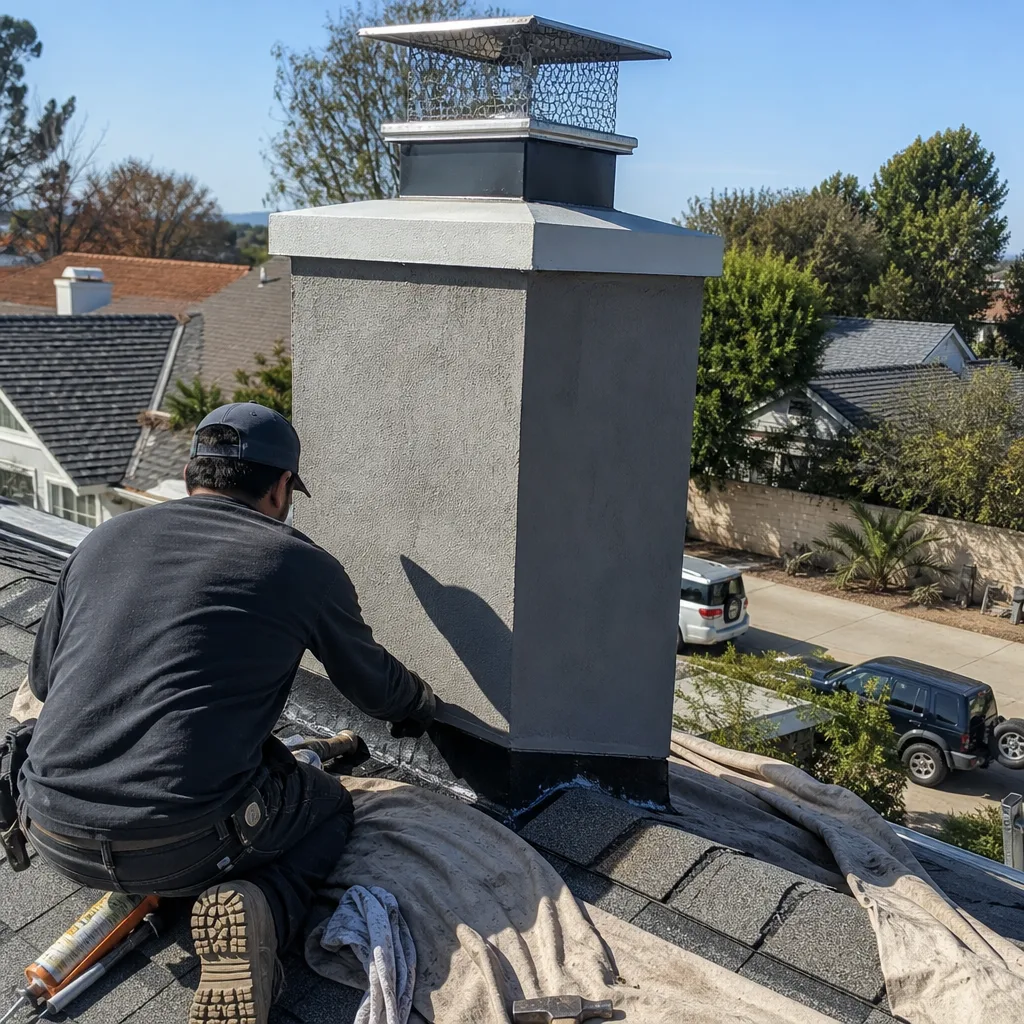 After