
Last updated November 3, 2026
 Sweep & inspection
 Caps & crowns
 Flue relining
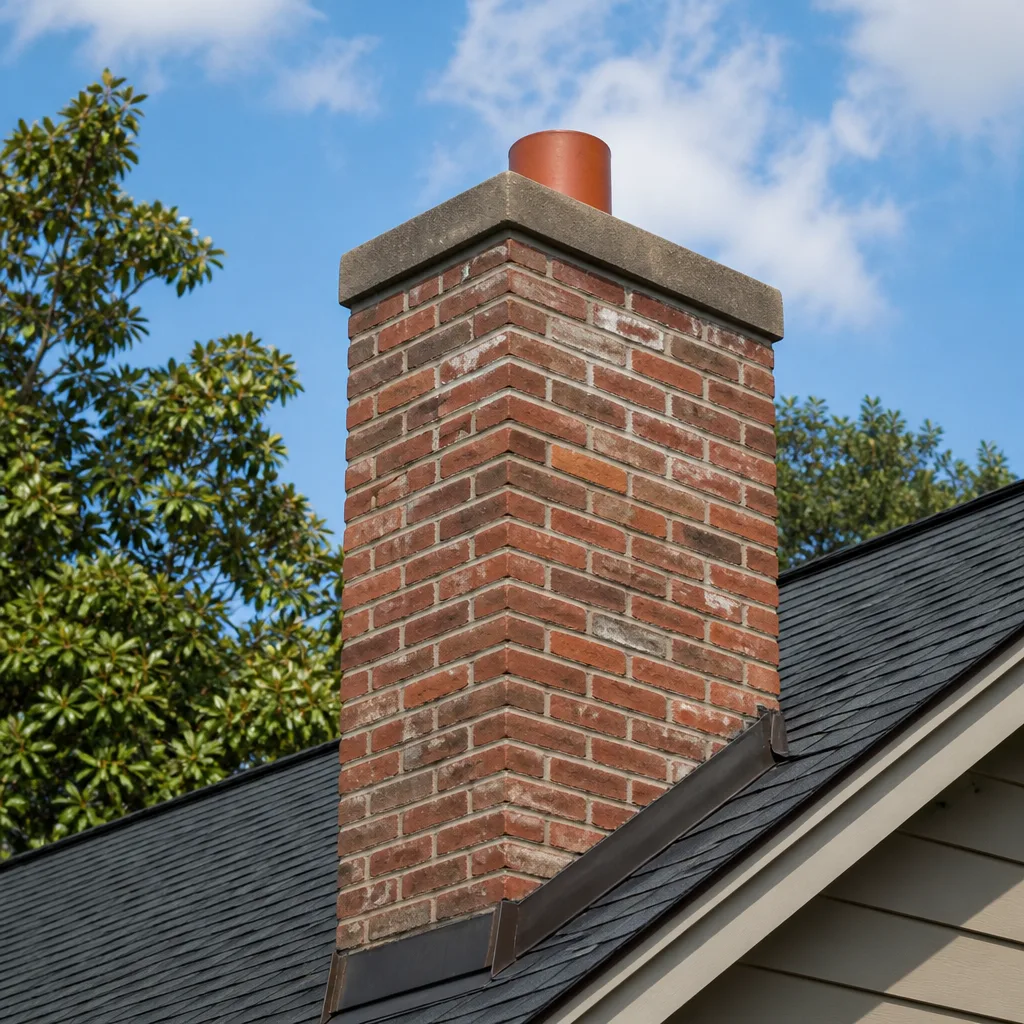 Masonry repair
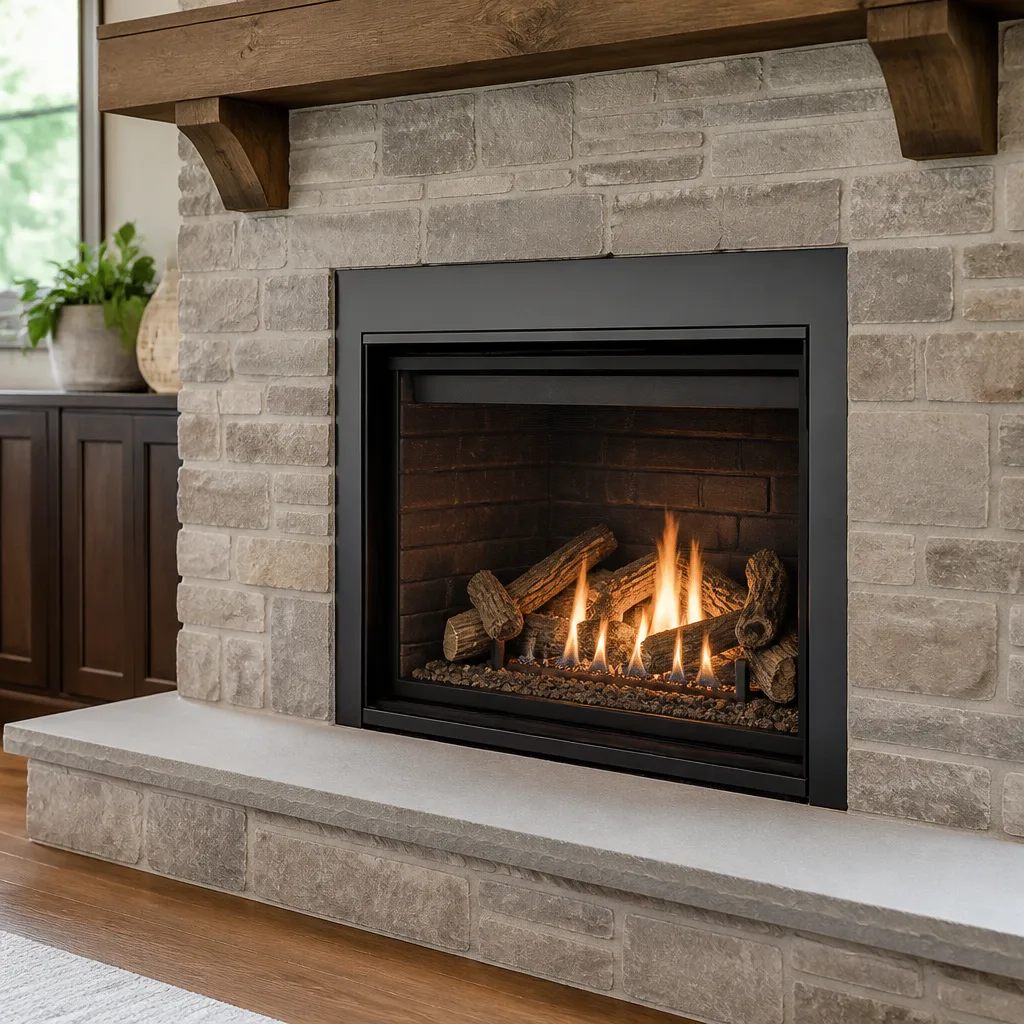 Gas fireplace service
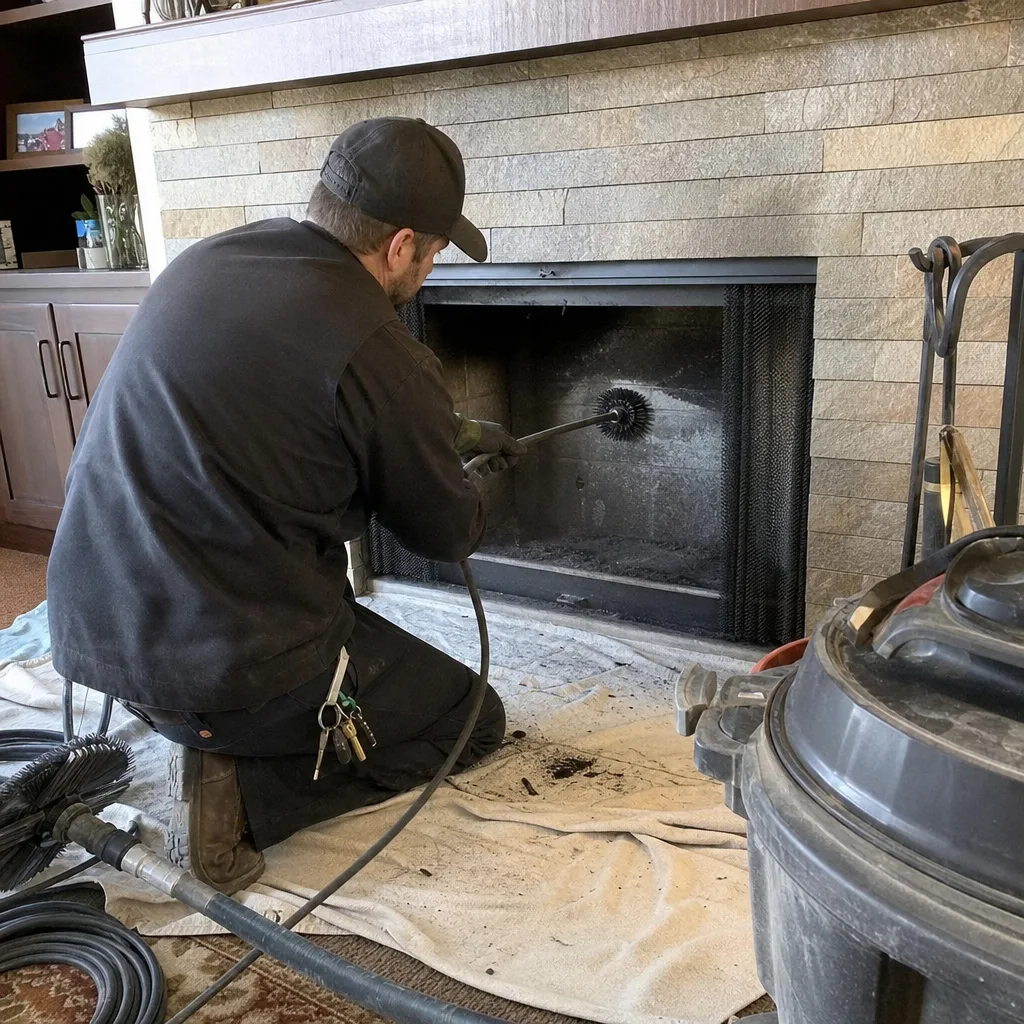
Level 1 sweep and inspection to the NFPA 211 annual standard - flue, crown, cap, and flashing checked and photographed
Chimney sweep logs do not sweep chimneys. They loosen some creosote - which then falls where a brush and vacuum still have to collect it.
The Complete Chimney Sweep Guide for Vista Homeowners
Most Vista homeowners use their fireplace fewer than 15 times a year. That sounds like less wear, which is exactly the problem. Infrequent use with coastal air cycling through a flue is one of the fastest ways to accelerate liner corrosion without ever noticing smoke. The salt-moist air that rolls in from the Pacific settles inside an unused chimney, works into mortar joints and metal liners, and quietly does damage that has nothing to do with how many fires you light. This guide walks you through what a real chimney sweep in Vista should include, why our specific climate changes the maintenance equation, and when a routine cleaning needs to become something more.
Quick Answer
A proper chimney sweep in Vista typically costs between $189 and $329 and includes a full inspection, mechanical brushing, and a documented condition report. Because of coastal humidity and salt air, we recommend annual inspection even for fireplaces used fewer than 10 times a year. Chimney Sweep in Vista from a full-service provider should include a camera inspection and smoke test, not just a brush through the flue.
Styles & brands we work with
- Sweep & inspection
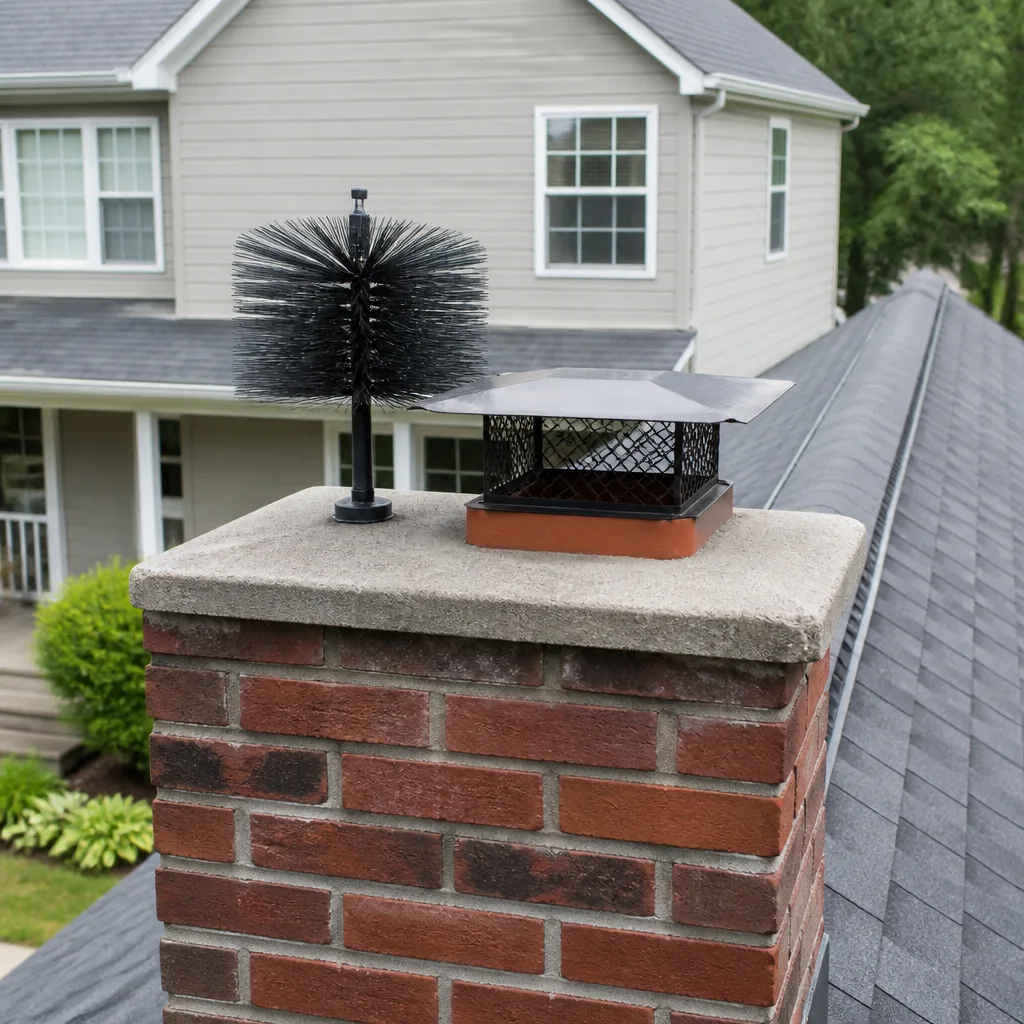
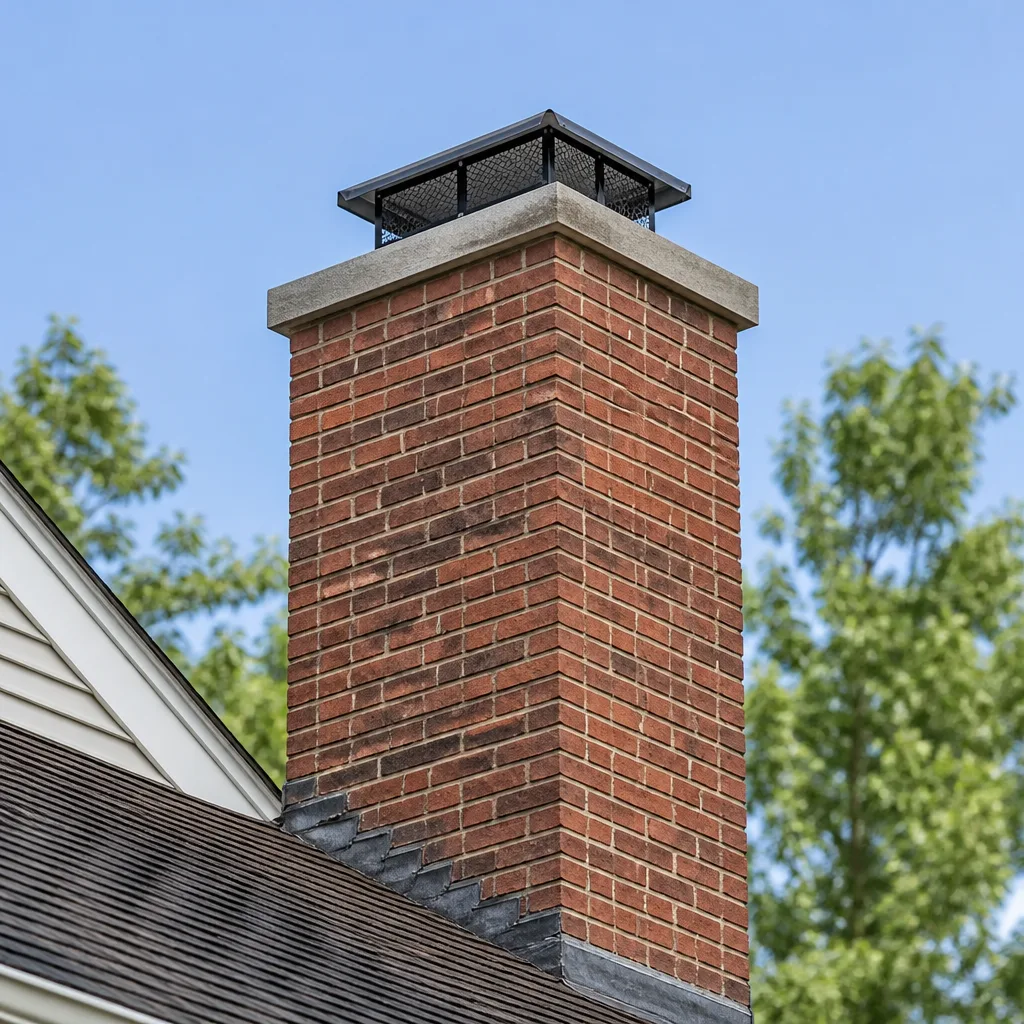
- Caps & crowns
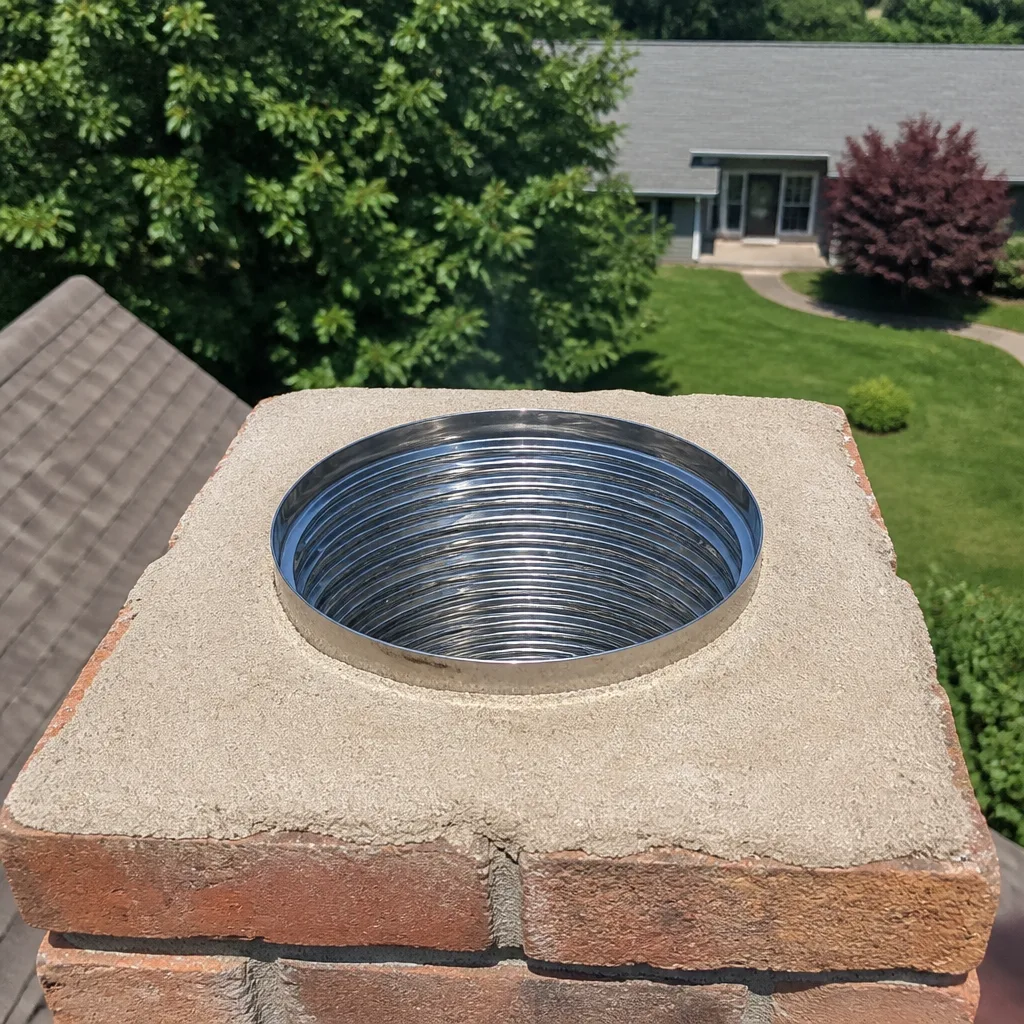
- Flue relining
- Masonry repair
- Gas fireplace service
Table of Contents
- Why Vista’s Climate Demands a Different Approach
- What a Full-Service Sweep Actually Includes
- Level 1, Level 2, and Level 3 Inspections Explained
- Older Masonry vs. Prefab Fireplaces in Vista
- Gas Log Inserts and What They Hide
- Red Flags That Mean Repair Before You Light a Fire
- Dryer Vents: The Fire Hazard Most Chimney Companies Ignore
- How Often Should You Sweep a Chimney in Vista?
Why Vista’s Climate Demands a Different Approach
Vista sits in a microclimate that chimney guides written for inland cities simply get wrong. We’re seven miles from the ocean as the crow flies. Morning marine layer burns off by noon, but the overnight humidity cycle repeats roughly 300 nights a year. That damp salt air moves through every exterior opening in a home, and your chimney is the largest unsealed vertical shaft connected to the interior.
Here’s what that means in practical terms. A terra cotta flue liner in a 1970s Vista home absorbs moisture from the air even when no fire has been lit in years. The salt content in that moisture accelerates spalling, which is the technical term for the flaking and crumbling you see on old brick and mortar. We routinely inspect chimneys in the Shadowridge and Buena Creek neighborhoods where the exterior brick looks fine but the internal flue liner has lost structural integrity from decades of salt-air cycling.
Wood smoke contains creosote, and creosote is hygroscopic. It attracts and holds moisture. When you have a thin layer of creosote from occasional fires and coastal humidity doing the rest, that coating becomes acidic and corrosive rather than simply flaky. A chimney that would be a simple sweep in Escondido might need liner evaluation in Vista because the same amount of creosote has been chemically altered by ambient moisture.
The counterintuitive rule we tell every Vista customer: low-use fireplaces in coastal climates need the same inspection frequency as heavy-use fireplaces in cold climates. You’re not fighting creosote volume here. You’re fighting what moisture does to the chimney system when it has months to work undisturbed.
What a Full-Service Sweep Actually Includes
A cleaning-only visit is a brush through the flue and a handshake. A full-service sweep is a diagnostic process. The difference matters because a clean chimney can still be a dangerous chimney if the liner behind the soot is cracked or the crown is leaking. At Millbrook Chimney Sweep, our standard sweeping appointment in Vista includes these steps, in this order:
- Visual inspection of the exterior structure – crown condition, mortar joints, flashing at the roofline, and any visible spalling on the brick face. On Vista’s older hillside homes, we’re checking for the hairline settling cracks that come naturally with clay-heavy soil and seasonal moisture shifts.
- Interior firebox inspection – looking at refractory panels, the damper assembly, and the smoke shelf. This is where we find the firebox joint separation that the last cleaning-only visit missed.
- Mechanical brushing of the flue – sized to the liner dimensions, not a one-brush-fits-all approach. Gas insert chimneys get a different treatment than open wood-burning fireplaces.
- Camera inspection of the full flue length – from the firebox to the chimney cap. Every customer receives a photo report. If we’re recommending repair, you see the exact footage that justifies it. Nothing is recommended on trust.
- Smoke test and draft verification – confirming that the chimney pulls correctly and that no smoke enters the living space through cracks or improper draw.
- Documented condition report – a written record of what we found, what we did, and what we recommend, if anything, for the future.
The camera inspection is the part most first-time customers didn’t know to expect. It’s also the step that separates a cleaning crew from a company that can actually tell you what’s going on inside the flue. We’ve found cracked liners in chimneys that looked spotless from the top down. We’ve found birds’ nests, dead rodents, and separated flue tiles that would have gone undetected for another full season.
Level 1, Level 2, and Level 3 Inspections Explained
The National Fire Protection Association defines three levels of chimney inspection, and knowing which one applies to your situation tells you exactly what a technician should be doing. Here’s what each level means and where Vista homeowners typically fit.
Level 1 inspection covers the readily accessible portions of the chimney. It happens when the system hasn’t changed since the last inspection and you’re using the fireplace the same way as before. A Level 1 is part of every routine sweep. The technician checks the interior flue, the damper, the firebox, and the exterior surfaces that don’t require ladders or roof access beyond standard reach.
Level 2 inspection goes further. It includes everything in Level 1 plus the attic, crawl space, and roof areas. It uses a camera to inspect the entire liner surface. You need a Level 2 when something has changed: you bought the home, you’re installing a new insert, the chimney was hit by a tree branch, or there’s been a seismic event, storm, or fire incident. In Vista, we also recommend Level 2 after the Santa Ana wind events that push through in the fall. Those sustained wind bursts, sometimes 50 to 70 mph, put real lateral stress on chimney caps, crowns, and the mortar joints at the roofline. We’ve seen wind-loosened caps and shifted flashing that looked fine from the ground.
Level 3 inspection is invasive. It means removing portions of the chimney or nearby building materials to access concealed areas. This only happens when a Level 2 reveals a serious hazard that can’t be fully evaluated without opening the structure. A Level 3 is rare for most homeowners, but we’ve performed them in Vista when a chimney fire was suspected and the liner needed direct visual confirmation of damage.
After any major weather event, a Level 2 inspection is the right call in Vista. The cost is higher than a standard sweep visit, but it tells you whether your chimney survived the wind season intact.
Older Masonry vs. Prefab Fireplaces in Vista
Vista’s housing stock splits between two very different chimney types, and the maintenance each needs is not interchangeable. The city’s post-war expansion through the 1960s and 1970s produced thousands of masonry chimneys built with terra cotta flue liners and brick or stone exteriors. Many of those original chimneys are still in service today, and they’re the ones most vulnerable to the salt-air corrosion we described earlier.
Newer developments, particularly from the 1990s onward, typically use factory-built prefab fireplace units with metal flues. These systems are engineered differently and fail in different ways. A prefab chimney has a metal liner that corrosion attacks directly. The galvanized exterior and stainless interior degrade from the same coastal moisture that flakes brick on older homes.
What should a technician be looking for on each type in Vista specifically?
- Masonry chimneys: Spalled terra cotta flue tiles, mortar joint erosion from salt exposure, crown cracks that let water into the brick structure, and efflorescence (white mineral staining) that indicates water has moved through the masonry from the inside out.
- Prefab chimneys: Rust on the metal chase top, warped or deteriorated metal flue sections, and compromised refractory panels in the firebox. Prefab units have a finite service life, usually 20 to 30 years, and coastal humidity shortens it.
The brand of the original unit matters because replacement parts vary. Millbrook stocks and installs products from Olympia Chimney, Famco, and Copperfield, three manufacturers that cover a wide range of replacement caps, chase covers, and component fittings for both masonry and prefab systems. When a prefab cap rusts out, we can usually match the right product from a manufacturer line that’s designed for the specific flue configuration rather than adapting a universal part.
Gas Log Inserts and What They Hide
A significant portion of Vista homes heat with gas log sets, whether they were original to the house or added during a past remodel. Gas logs feel cleaner than wood, and in many ways they are. They don’t produce creosote in the classic sense. But they create a set of conditions that can be just as damaging to an underlying chimney.
Gas combustion produces acidic water vapor. The flue gases from a vented gas log set are high in moisture, and that moisture is slightly acidic. When a homeowner runs their gas logs for an hour or two on a cool Vista evening, that vapor rises into a flue that may still be cold from the outside air. The moisture condenses on the liner walls before it ever reaches the top of the chimney. Over repeated cycles, this condensate eats at mortar joints and accelerates liner deterioration.
Then there’s the false sense of security. Gas logs don’t smoke, so homeowners assume the chimney is clean and sound. No smoke, no problem, right? The problem is that the chimney may be degrading from moisture damage while producing no visible symptom from inside the living room. We’ve pulled gas log sets in Vista homes only to find the firebox and lower flue tiles in condition that required thousands of dollars in repair. None of those homeowners noticed anything wrong from the couch.
Another issue specific to wood-burning fireplace conversions: prior creosote. If a chimney was used for wood for years and then converted to gas, the old creosote doesn’t just vanish. Gas heat bakes it into a hardened glaze that can resist removal and creates a fire risk if the gas logs are in a vented setup that allows combustion byproducts to accumulate. This is a common finding in Vista’s older homes where gas conversions were popular in the 1980s and 1990s.
Red Flags That Mean Repair Before You Light a Fire
Some findings during a sweep are routine. Others mean the appointment has fundamentally changed from cleaning to repair consultation. Knowing the difference before you schedule can save you from lighting a fire in a chimney that isn’t safe to use. Here are the conditions our technicians in Vista flag as immediate concerns:
- Separated or cracked flue tiles visible on camera. A gap between terra cotta sections means heat and combustion gases can reach the surrounding structure. This is a fire hazard and must be addressed before the next fire.
- Creosote glaze thicker than ⅛ inch. This is a code-level fire hazard. Thick, shiny, hardened creosote burns at extremely high temperatures and can’t be removed with standard brushes. Chemical treatment or mechanical removal is required.
- Water in the firebox or staining on the damper. Active water intrusion means the crown, cap, or flashing has failed. Every subsequent rain adds more damage to the liner and masonry.
- Mortar joint recession deeper than ½ inch. Structural joints that have eroded to this depth compromise the chimney’s lateral stability. In a wind event, weakened mortar is where failures begin.
- Spalled brick with exposed interior surfaces. Once the outer brick face has broken away, moisture penetrates deeper and freezing or heating cycles accelerate further damage.
- Rust on any metal component of a prefab system. Rust never stops on its own. A rusted chase top or cap will fail completely, usually in the next heavy rain season.
The camera footage is the key. If you can’t see the problem with your own eyes, you shouldn’t authorize major work. That’s our standard. We don’t recommend repair without showing you the footage that justifies it. When we do recommend work, we’re equipped to complete it. Chimney repair in Vista from Millbrook means the same company that found the liner crack installs the repair. We don’t hand you a referral and send you hunting for another contractor.
Dryer Vents: The Fire Hazard Most Chimney Companies Ignore
The National Fire Protection Association consistently lists clothes dryers as one of the leading appliance-related fire sources in American homes. Lint accumulation in the vent duct restricts airflow, the dryer overheats, and the lint itself acts as kindling. It’s the same fire-safety logic as creosote buildup, happening in a system most homeowners never think about.
Most chimney companies in Vista don’t offer dryer vent cleaning. It’s outside their scope, and they don’t have the rotary brush equipment sized for a 4-inch duct. We made it part of our core service because the physics are identical to what we already do in chimneys: remove combustible residue from a ventilation path and verify that airflow is correct.
Here’s what a proper dryer vent cleaning in Vista includes when we do it:
- Disconnection of the dryer and inspection of the transition hose behind the unit
- Rotary brushing of the full duct run from dryer to exterior termination
- Verification that the exterior damper opens and closes correctly and isn’t blocked by lint or pest debris
- Airflow measurement before and after cleaning to confirm the system is moving air efficiently
Vista’s humidity adds a wrinkle to dryer vents too. Moist air condensing on the interior of a cool vent duct in the morning causes lint to mat and stick to the walls rather than pass through. That’s why a vent that was cleaned two years ago might already be restricted in ways an inland home with the same dryer use wouldn’t experience.
How Often Should You Sweep a Chimney in Vista?
The standard NFPA recommendation is inspection at least once per year, with sweeping as the inspection indicates. In Vista, the annual inspection makes sense even for low-use fireplaces because of the moisture factor covered earlier in this guide. The corrosion doesn’t take a season off when you do.
Here’s a practical schedule based on the way Vista homes actually use their fireplaces:
- Wood-burning fireplace used 30+ times per season: Sweep before the first fire of fall and again mid-season if visible buildup is > ⅛ inch. Annual camera inspection.
- Wood-burning fireplace used occasionally (under 15 fires per year): Annual inspection. Sweeping as needed based on camera findings and creosote thickness.
- Gas log insert with vented setup: Annual inspection. The moisture damage issue doesn’t require sweeping as often, but the liner condition needs to be seen on camera.
- Unused fireplace, no appliance connected: Inspection every other year at minimum. Unused chimneys still collect moisture and can develop structural issues from rain exposure and salt air.
For any of these categories, after a significant Santa Ana wind season or heavy winter storm, a Level 2 inspection is warranted. The threshold for us is sustained winds above 40 mph with visible debris or a known impact event.
Common Mistakes to Avoid
- Skipping the inspection because the fireplace is “barely used.” Low usage doesn’t protect a chimney from Vista’s coastal moisture. Corrosion happens on its own schedule. The fire is irrelevant to what salt air does to a liner.
- Hiring a cleaning-only service without camera verification. A brush through the flue removes creosote but tells you nothing about liner integrity. The camera is what catches the cracked flue tile before it becomes a house fire structure involvement.
- Assuming gas logs mean no maintenance required. Gas appliances produce acidic water vapor that eats at masonry and metal flues. A gas fireplace still needs annual inspection, especially in a coastal climate.
- Ignoring the dryer vent. The vent connected to your clothes dryer is a fire hazard that gets hotter and more restricted every load you run. It should be cleaned professionally every 1 to 3 years depending on use.
- Putting off a Level 2 inspection after wind storms. If a 60 mph Santa Ana event just pushed through Vista, don’t wait for spring to see if the cap is still solid. Wind damage gets more expensive with every rain that follows it.
- Getting a repair recommendation and then doing nothing. When a camera shows a separated flue tile, the problem doesn’t stabilize. It gets worse with every thermal cycle and every rain event. The repair is cheaper now than in two years.
- Choosing a sweep based on price alone. A $99 cleaning special from a company that doesn’t stock repair materials means you’ll be paying for a second visit when the first one finds a problem. A full-service visit costs more and accomplishes more.
See the difference
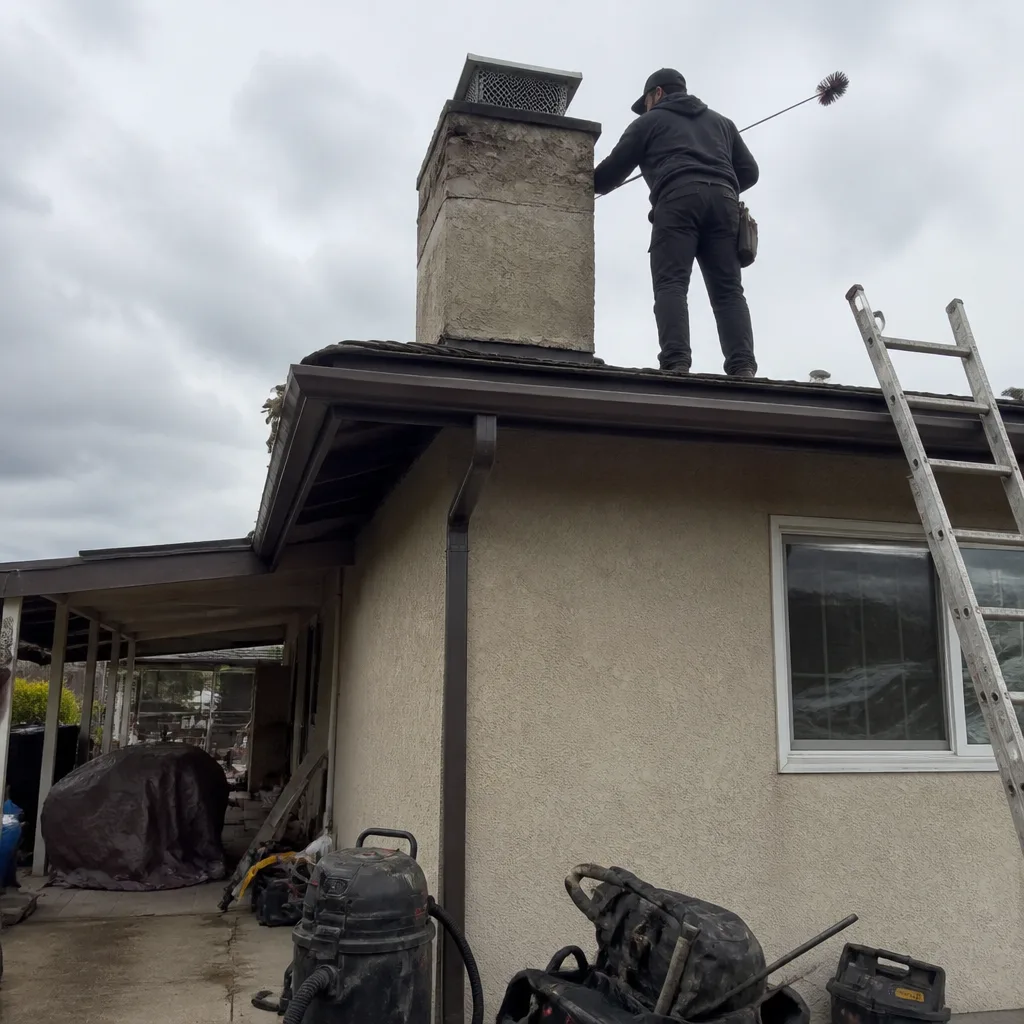 Before
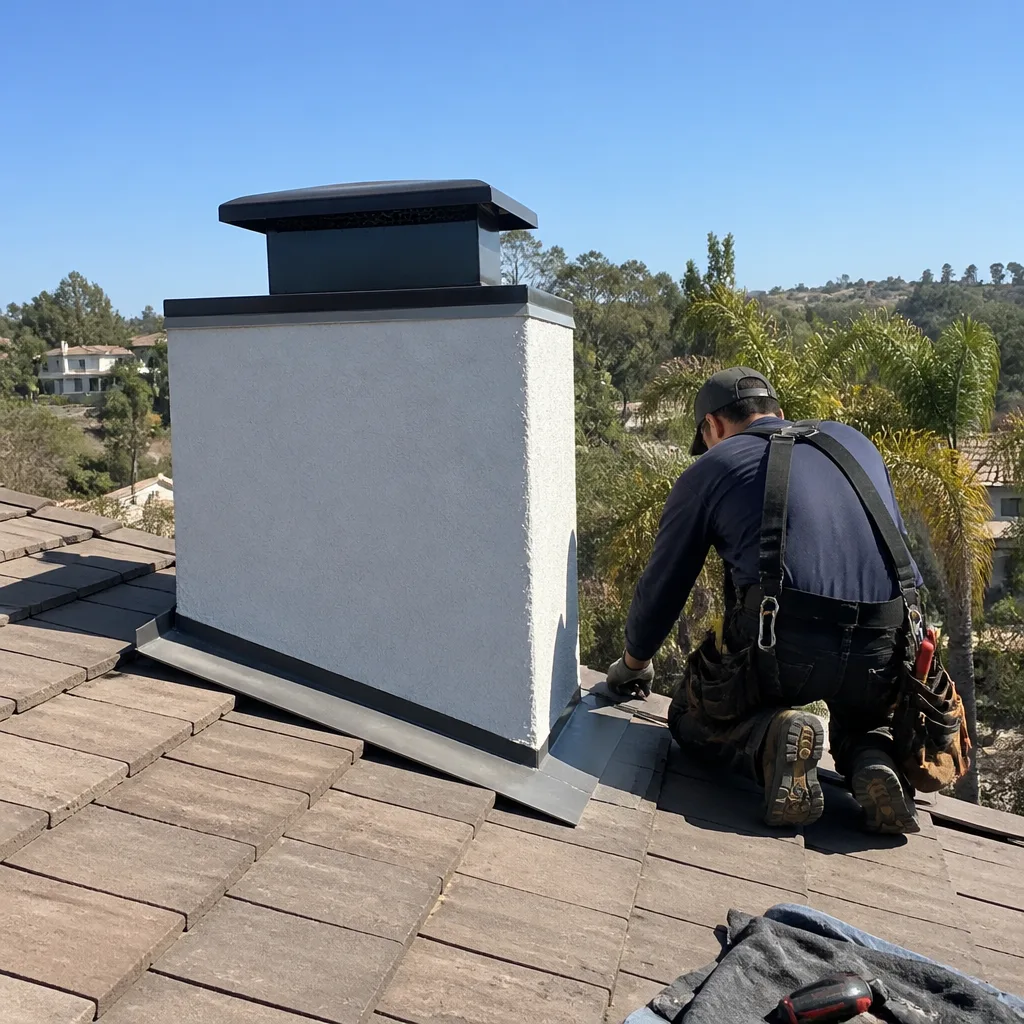 After
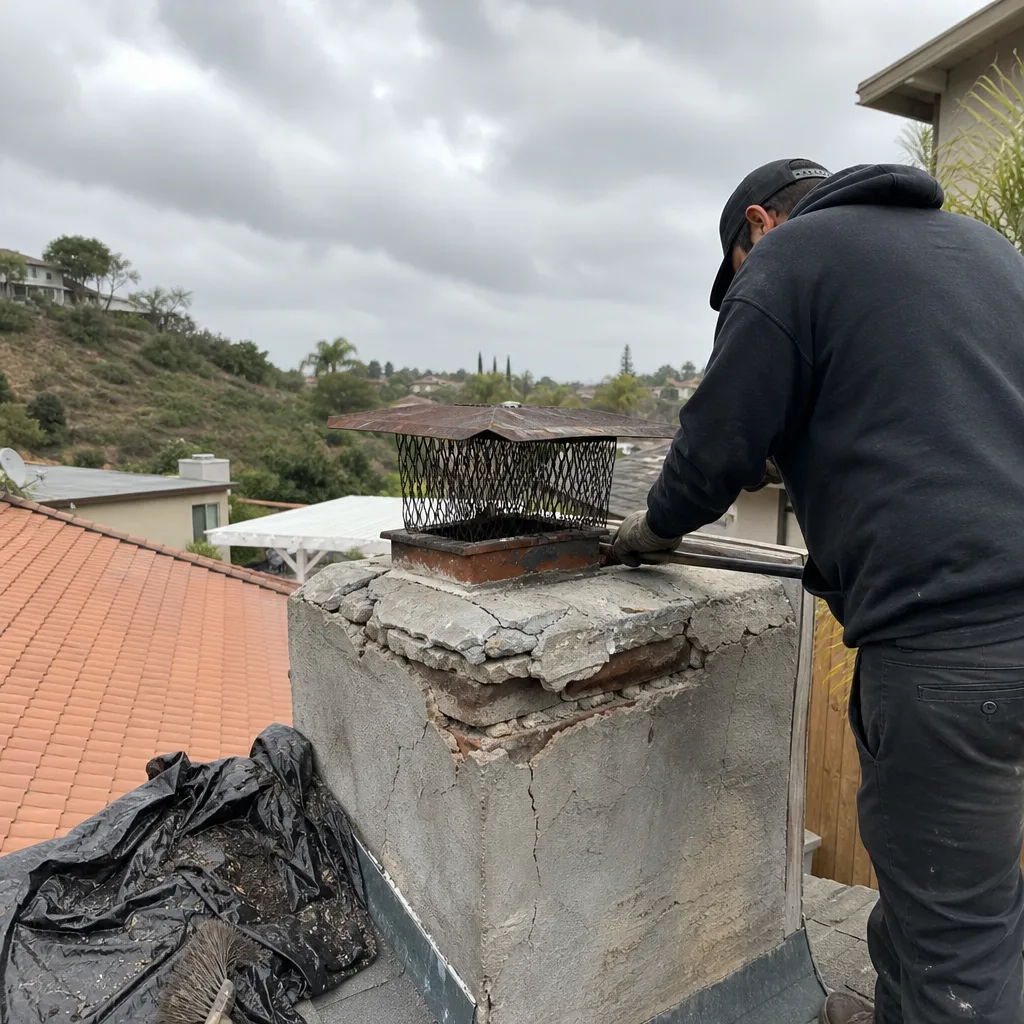 Before
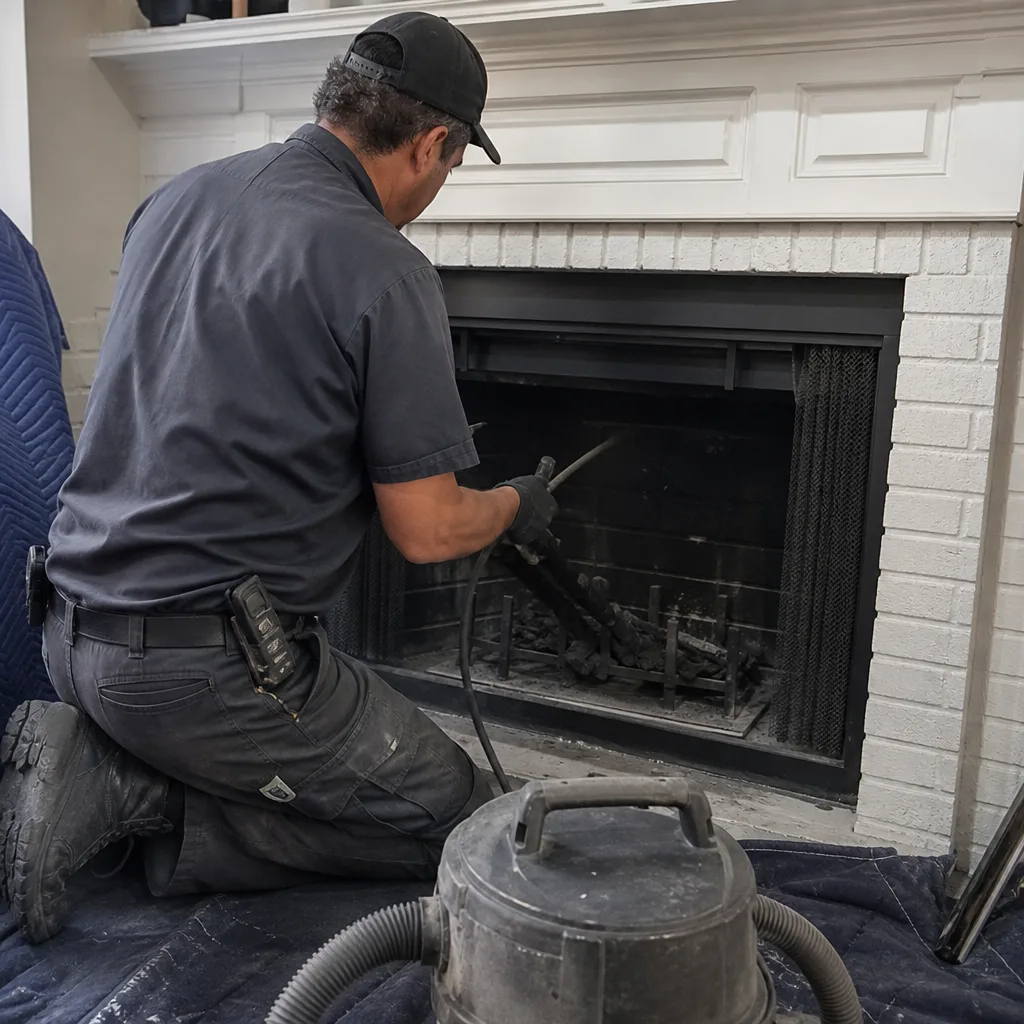 After
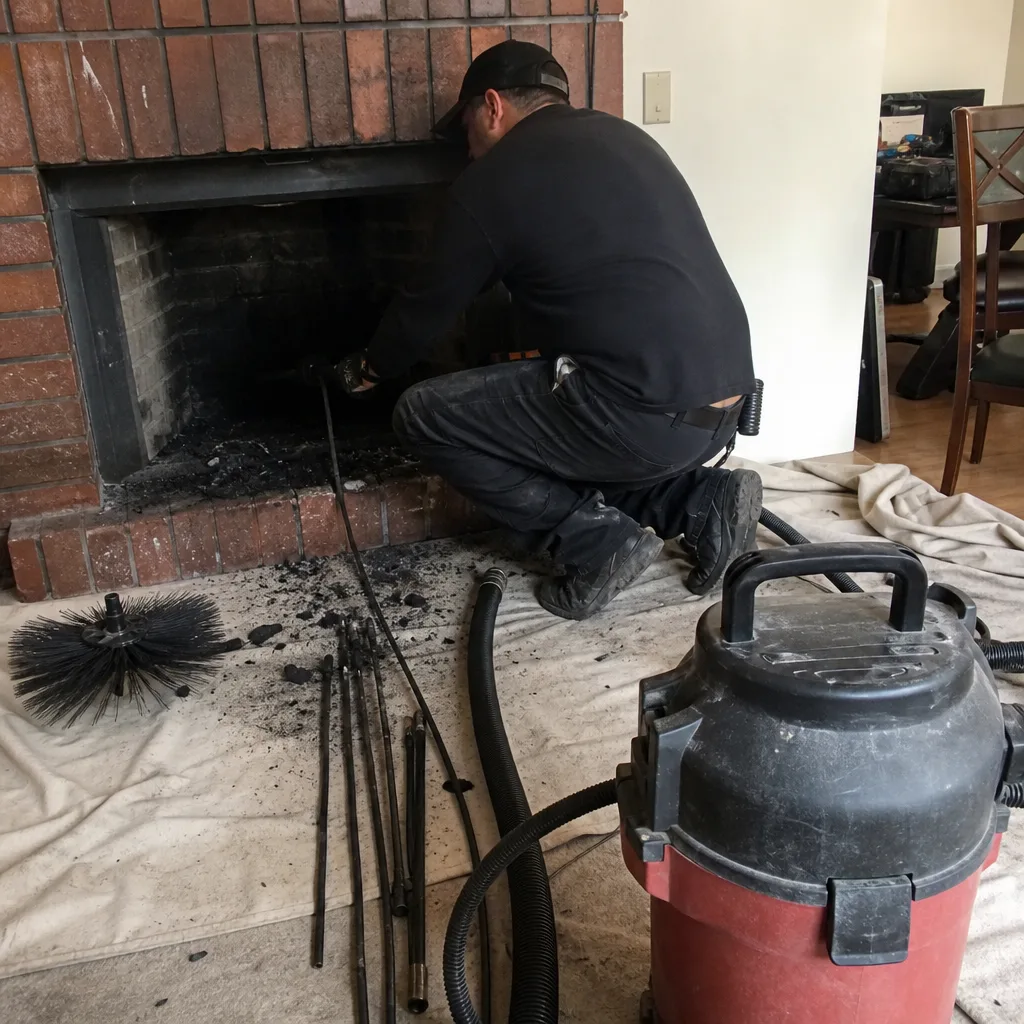 Before
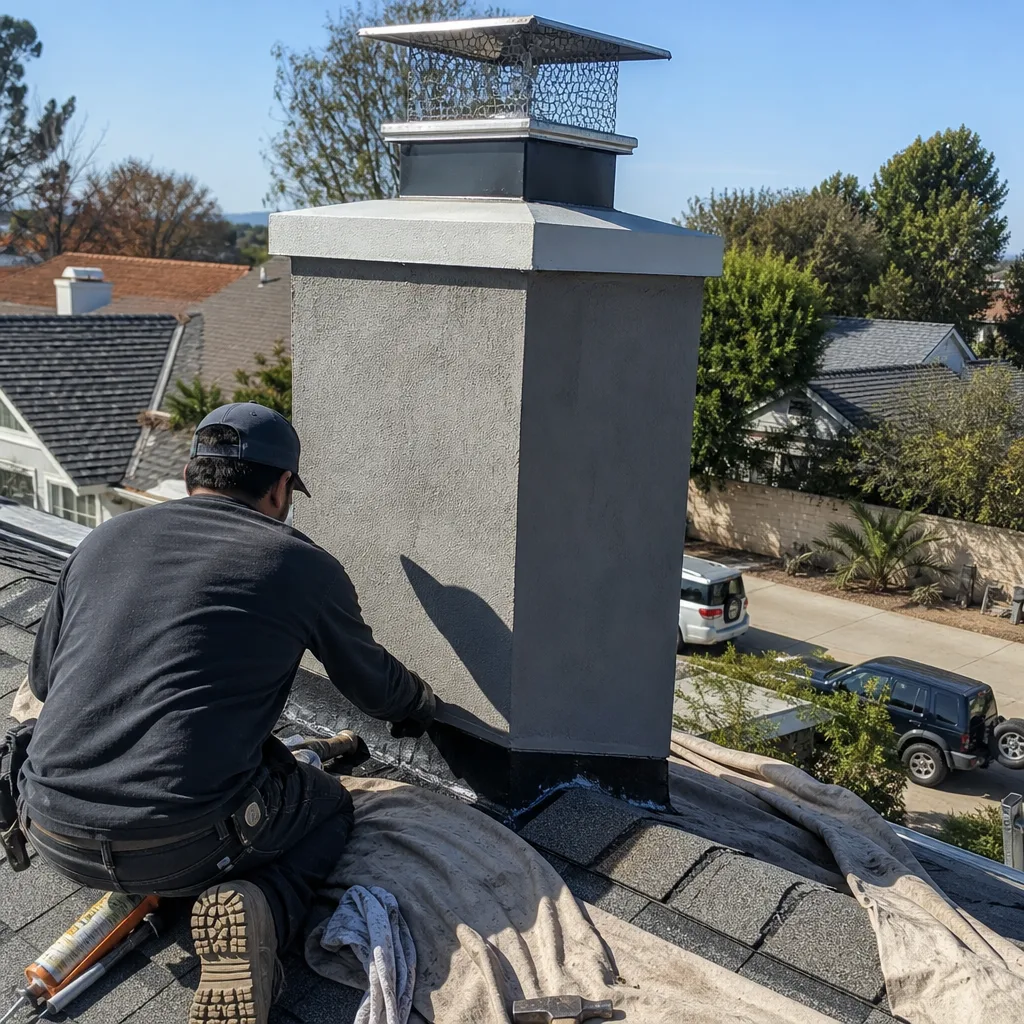 After
When to Call a Professional
Call a professional chimney company in Vista if you notice any of these conditions: smoke entering the room during normal fireplace use, a strong campfire odor with no fire burning, visible white staining on exterior brick, rust on metal chimney components, water in the firebox after rain, or a dryer that takes noticeably longer to dry a load than it used to. Any of these indicates a system that needs diagnosis beyond what a homeowner can safely assess from the ground.
Millbrook Chimney Sweep offers free estimates in Vista. Call (833) 589-9711 to schedule an inspection or sweep. We’ll tell you what the camera shows, and if repair is needed, we’ll complete it with the same visit. One call covers the sweep, the repair, and the dryer vent.
Frequently Asked Questions
A standard chimney sweep in Vista typically costs between $189 and $329 depending on the chimney type, accessibility, and whether the appointment includes a camera inspection (which it should). Gas insert inspections and prefab units fall at different points in that range. Call (833) 589-9711 for an exact quote for your specific setup. Estimates are free.
A fireplace can function visually while the liner behind the walls is cracked, separated, or corroding. The liner is what contains heat and combustion gases before they reach your home’s framing. If a camera inspection shows damage, the answer isn’t optional. It’s the difference between a fireplace that works and a chimney that’s slowly turning into a structural fire risk. We’ll show you the footage so you can see exactly what we’re seeing.
Annually. Even if you use your fireplace fewer than a dozen times a year. Vista’s coastal humidity and salt air work on the mortar and liner all year regardless of usage, and the inspection catches that damage early. Heavy-use wood burning may need a mid-season sweep as well.
You risk three concrete outcomes: a chimney fire from creosote accumulation that ignites without warning, carbon monoxide entering the living space through a cracked liner or improper draft, and structural deterioration that turns a $300 sweep into a $3,000 liner replacement. See our DIY vs Professional Chimney Cleaning comparison for why this isn’t a job to skip. In Vista, the moisture factor means the structural damage compounds even during years when you never light a fire.
Yes. Gas combustion produces acidic water vapor that condenses on the flue walls and degrades liner materials over time. The lack of visible smoke makes the damage harder to notice, but the chimney is degrading anyway. An annual inspection catches this before it becomes a repair.
We’re a full-service chimney company. We sweep, we inspect, and we repair. If the camera finds a cracked liner, we install the DuraFlex stainless liner ourselves using the same products specified by chimney engineers on commercial projects. If the firebox needs restoration, we use HeatShield. We don’t hand you a referral. We fix what we find.
The Bottom Line
A chimney in Vista isn’t aging on the same schedule as a chimney in Poway or Temecula, and generic maintenance advice misses the point. The coastal moisture and salt air here mean even an unused fireplace needs eyes on it every year. The good news is that a proper sweep with camera inspection catches problems early, when a liner patch or a new cap solves the issue instead of a full rebuild. Millbrook Chimney Sweep handles the whole sequence: sweep, camera report, and any repair the footage justifies. Call (833) 589-9711 and we’ll schedule your inspection before the next burn season. Millbrook Chimney Sweep home is here in Vista, and we’re ready to put eyes on your flue.
Written by the team at Millbrook Chimney Sweep, serving Vista since 2014.