
Last updated November 2, 2026
 Sweep & inspection
 Caps & crowns
 Flue relining
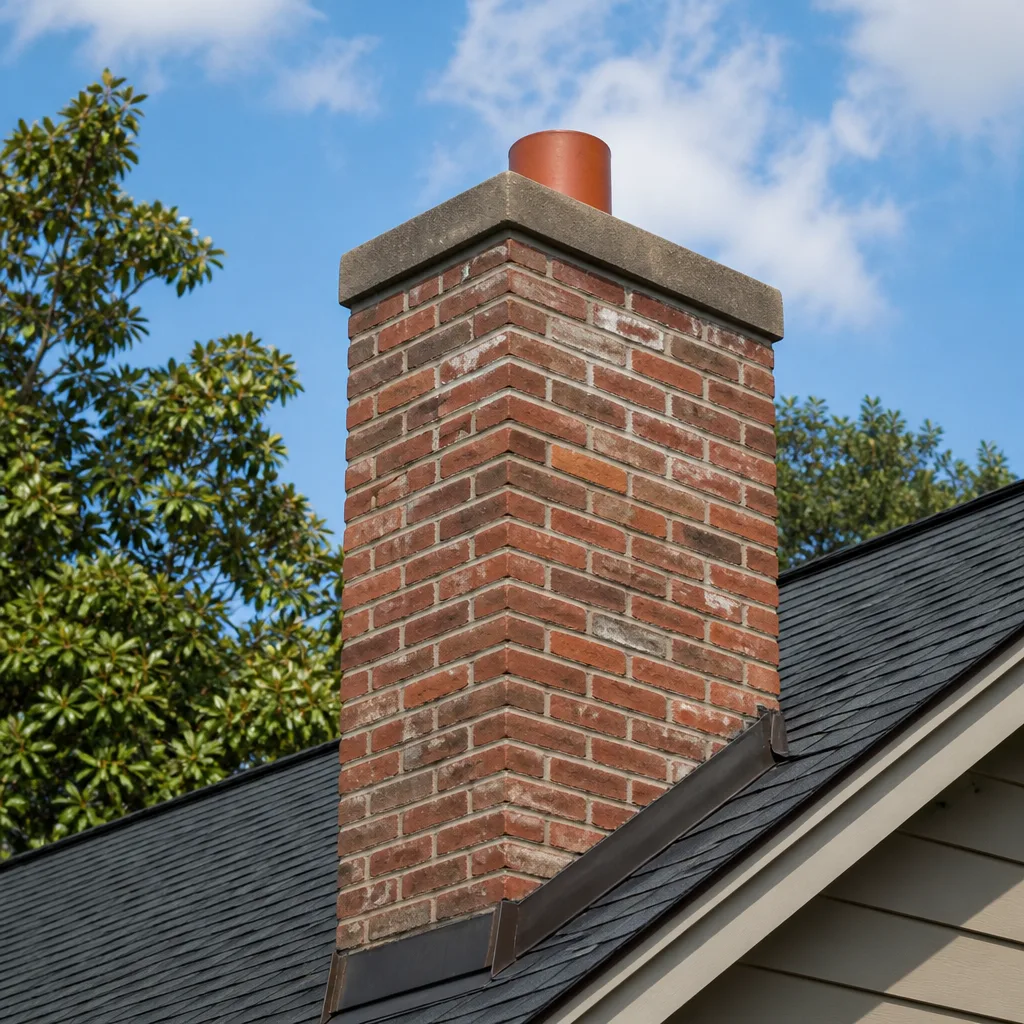 Masonry repair
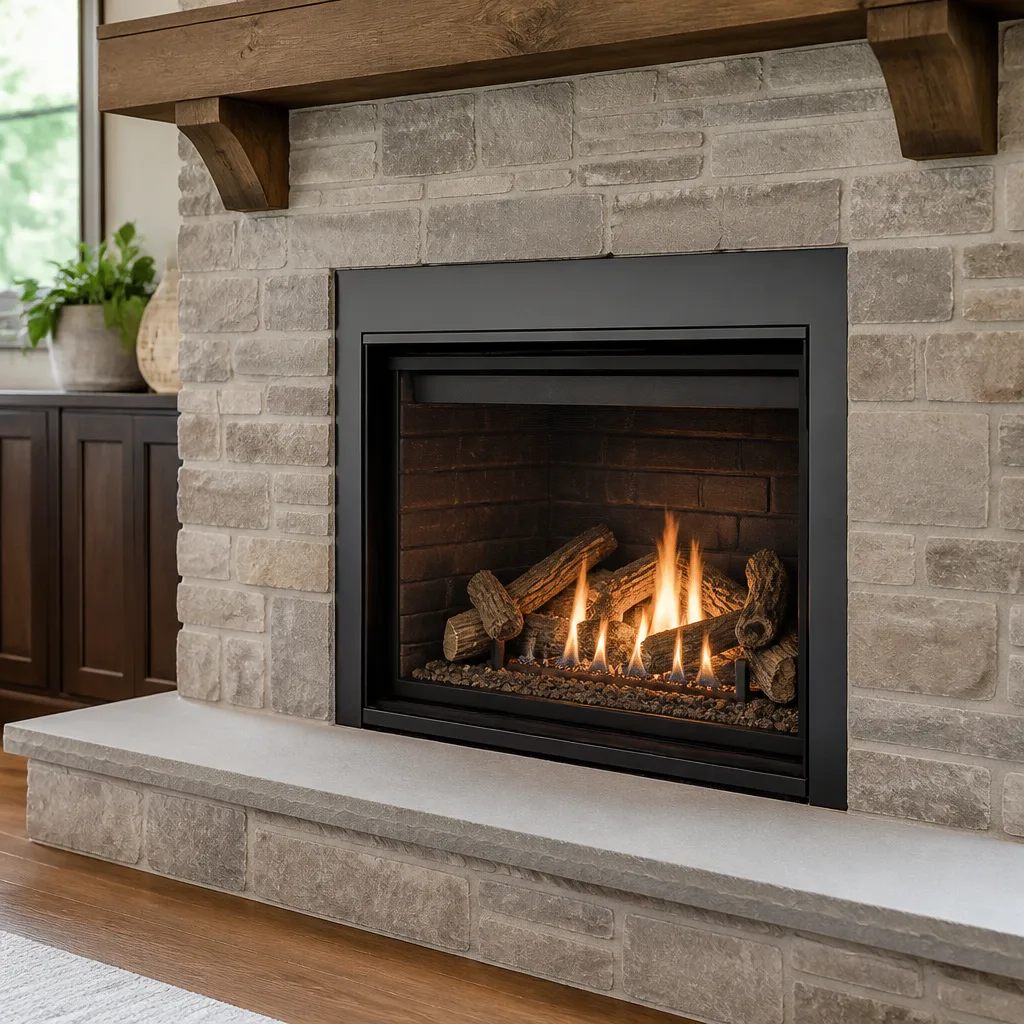 Gas fireplace service
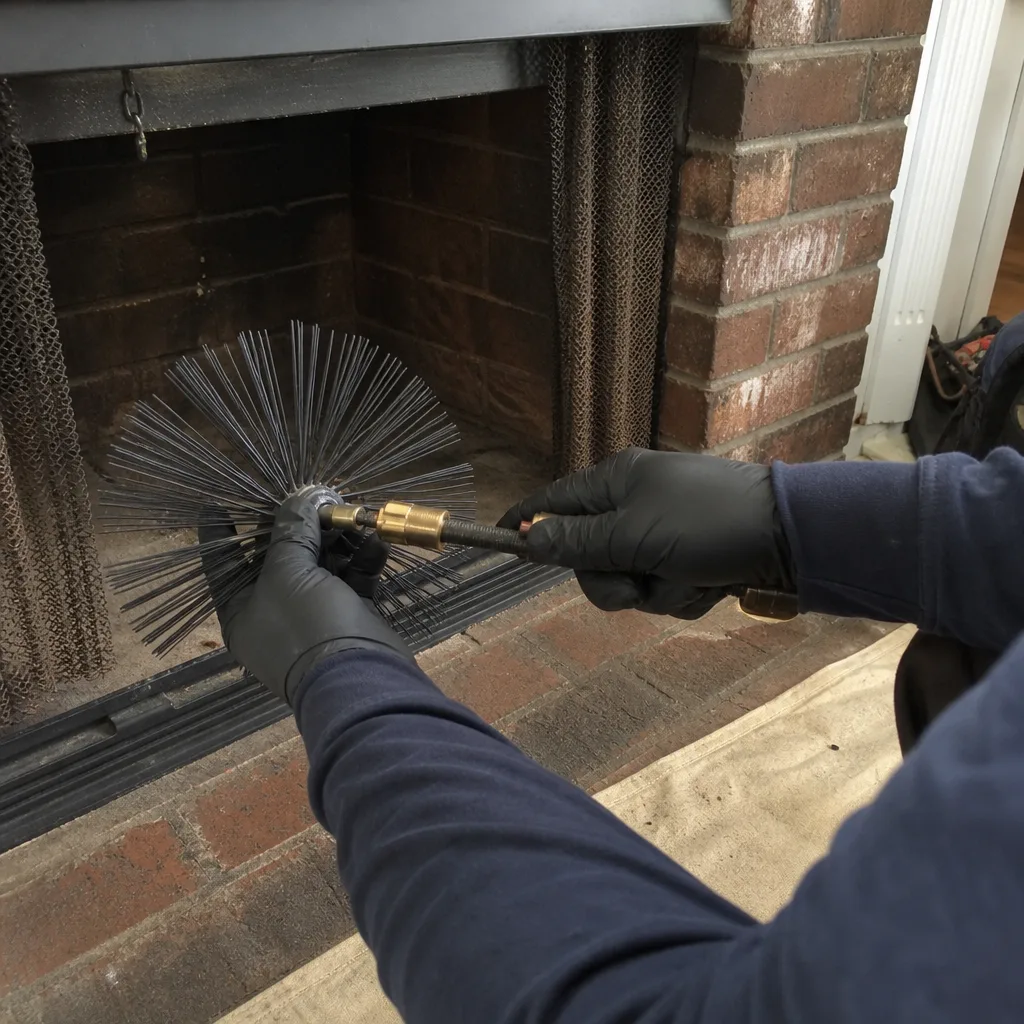
Level 1 sweep and inspection to the NFPA 211 annual standard - flue, crown, cap, and flashing checked and photographed
Chimney sweep logs do not sweep chimneys. They loosen some creosote - which then falls where a brush and vacuum still have to collect it.
Chimney Sweep Maintenance Checklist for Vista Homeowners
Eucalyptus is one of the most common backyard trees in North County San Diego, and it’s also one of the worst woods you can burn in a fireplace. The oily sap creates a sticky, fast-accumulating creosote that a standard annual sweep schedule simply doesn’t account for. If you’ve been burning eucalyptus from Vista’s ubiquitous blue gum groves, your chimney is working under conditions most national maintenance guides never mention. This checklist is built for Vista specifically: salt air, Santa Ana winds, stucco exteriors, and the fireplaces inside the older homes that line our hillsides. You’ll learn what to check yourself, what to leave to our Chimney Sweep services, and how to know the difference.
Styles & brands we work with
- Sweep & inspection
- Caps & crowns
- Flue relining
- Masonry repair
- Gas fireplace service
Quick Answer
A Vista homeowner should inspect the chimney exterior monthly during fire season, check the firebox and damper before every burn, and schedule a professional sweep and inspection annually at minimum, more often if you burn eucalyptus or soft woods. Homes within two miles of the coast need cap and crown checks twice yearly because salt air accelerates mortar spalling. The full checklist below separates homeowner-visible checks from certified-sweep work so you always know what you’re looking at and what you’re not.
Table of Contents
- Monthly Visual Checks Any Homeowner Can Do
- The Seasonal Checklist Built for Vista’s Climate
- What You’re Burning Matters: Eucalyptus and Local Wood Guide
- Tracking Burn Hours: Cleaning That Follows Use, Not a Calendar
- When a Checklist Item Crosses Into Repair Territory
- California Insurance and Home Sale Disclosure Requirements
- Common Mistakes to Avoid
- When to Call a Professional
- Frequently Asked Questions
- The Bottom Line
Monthly Visual Checks Any Homeowner Can Do
You don’t need a ladder or any special tools for most of this. You need daylight, a few minutes, and an honest look at what’s in front of you. We recommend doing these checks the first weekend of every month from October through March, which is peak burn season in Vista. During the off-season, every other month is fine unless we’ve had a serious wind event.
Here’s what to look at, in order:
- Walk the perimeter and look at the chimney from the ground. Check for visible cracks in the stucco, missing chunks of mortar, or any tilt or lean. Use binoculars if you have them. Vista’s older homes, particularly in the Vista Manor and Alta Vista neighborhoods, often have chimneys built in the 1960s and 1970s that are now showing their age in the mortar joints.
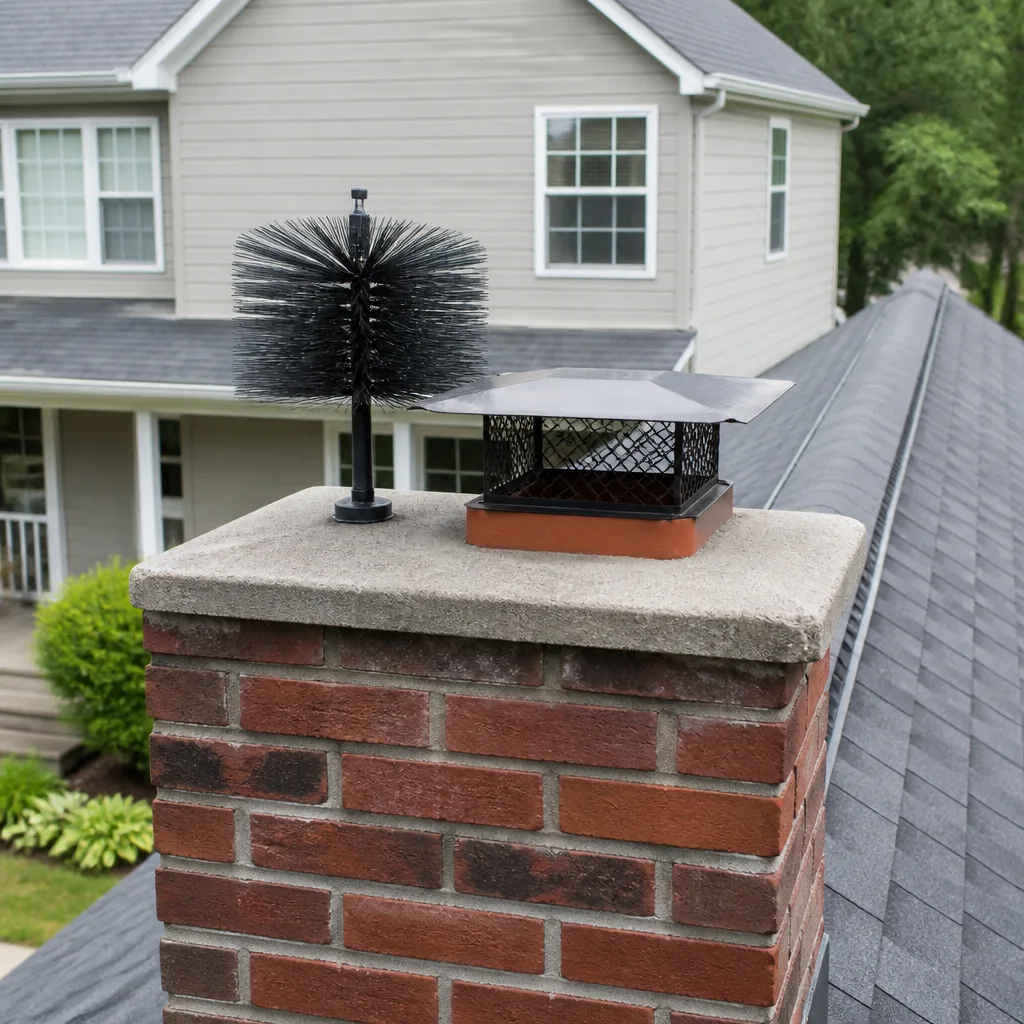
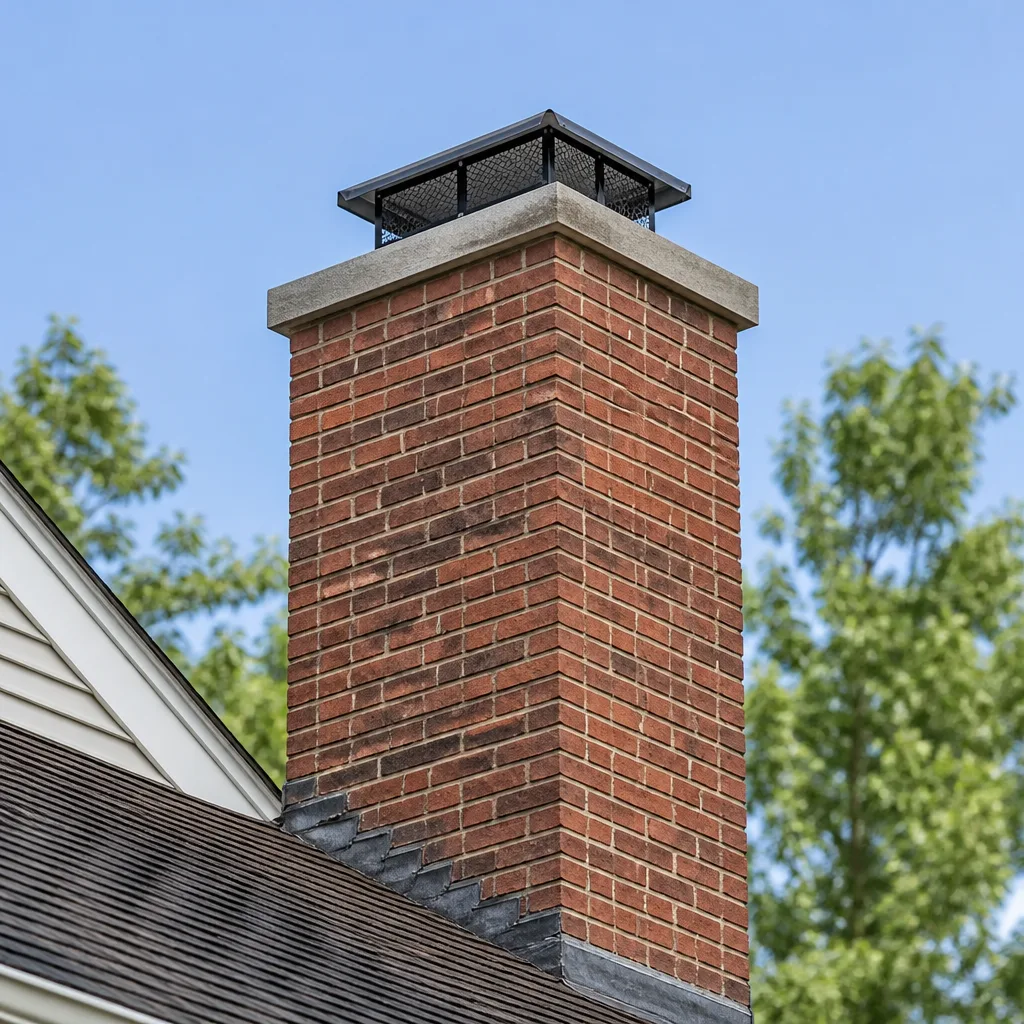
- Check the cap and crown from below. The crown is the concrete slab at the top of the chimney. The cap is the metal screen and lid assembly. Look for rust on the cap, cracks in the crown, or any wildlife activity. Birds nesting in chimneys is a year-round issue in Vista because our mild climate means they never fully leave. If you see nesting material protruding from under the cap, that’s a problem.
- Examine the flashing where the chimney meets the roof. Flashing is the metal strip that seals that junction. If it’s peeling, rusting, or pulling away from the stucco, water is getting behind it. In Vista, that’s a direct path to water stains on your interior ceiling during winter rains, and it often shows up around the fireplace mantel first.
- Look inside the firebox with a flashlight. Check for cracked firebrick, gaps in the mortar between bricks, or a buildup of black, flaky material on the walls. Creosote that looks like shiny, tar-like glaze is stage-three accumulation and is a legitimate fire hazard. Flaky black soot is stage one and much less serious.
- Open and close the damper fully. It should move smoothly and seal reasonably well. A damper that sticks, won’t close fully, or has visible rust along the edges needs attention before your next fire. A stuck damper in a Vista winter means cold air pouring down the chimney all night, and our coastal nights in December and January do get cold enough to notice.
These five checks take fifteen minutes and catch the majority of issues before they become expensive. What they don’t catch is anything happening inside the flue itself, and that’s where the real risk lives. More on that below.
A note on safety: none of these monthly checks require getting on the roof. If you’re tempted to climb up for a closer look, don’t. Roof work on a Vista hillside home with a Spanish tile roof is genuinely dangerous, and chimney caps can hide sharp edges and unstable footing. Call us. We’ll inspect the roof-level components safely with proper equipment.
The Seasonal Checklist Built for Vista’s Climate
Vista’s climate does three things to chimneys that generic national checklists miss: salt air accelerates metal corrosion, Santa Ana winds stress caps and crowns, and our fire season runs later than most of the country. Here’s a season-by-season approach that reflects what we actually see in the field.
Fall (September to November): Pre-Burn Season Prep
In our experience, September is the single most important month for chimney prep in Vista. The first cold snap catches people off guard every year, and a chimney that’s been sitting unused since April has had six months to collect debris, host nesting birds, or develop cracks. Here’s the fall checklist:
- Schedule your annual sweep and inspection before October. This is the highest-demand booking window in North County. Waiting until November often means waiting two to three weeks for an appointment, right when you want your first fire.
- Check the cap and crown after the first strong Santa Ana wind event. These winds routinely top 50 mph in Vista’s higher elevations, especially around Shadowridge and Buena Creek. Loose caps get lifted, cracked crowns get worse, and the debris that blows around ends up inside chimneys without a good cap.
- Test your damper and clean the firebox. Remove any old ash from the previous season. Ash holds moisture, and moisture promotes rust on the damper and grate. Clear it out before the first fire.
Winter (December to February): Peak Burn Season
This is when your monthly visual checks matter most. Between fires, watch for these three things:
- Check for smoke entering the room when the fire is burning. A properly drafting chimney pulls all smoke up and out. Smoke backing into the room, even occasionally, means something has changed: creosote buildup, a partial blockage, or negative air pressure in the house. None of those fix themselves.
- Monitor creosote growth in the firebox. After every ten to twelve fires, shine a flashlight up the flue from the firebox. If you can see buildup on the walls, your cleaning interval needs to shorten.
- Check for water stains on interior walls near the chimney after winter rains. Our winter storms arrive quickly, and a small leak through the crown or flashing shows up as a discolored patch on the ceiling or wall adjacent to the fireplace. Don’t wait to address this. Water intrusion damages mortar and makes repairs more extensive over time.
Spring (March to May): Post-Season Inspection
Spring is the ideal time to identify issues that developed during burn season, because you have months to fix them before the next one. Our Chimney Sweep in Vista service does its most thorough diagnostic work in spring. Specifically:
- Schedule any needed repairs now. No urgency, no waiting list, no rush. A cracked firebrick found in March is a minor repair. The same crack found in October is a scramble before burn season.
- Have a post-season sweep done if you burned more than a cord of wood. Not everyone needs this, but heavy users in Vista who burn eucalyptus or pine will carry more creosote into the off-season than they should. The sticky residue hardens and becomes more difficult to remove the longer it sits.
- Check for animal intrusion. Spring is nesting season. Squirrels, rats, and birds are all active in Vista’s canyons and suburban lots, and an uncapped or poorly capped chimney is an open invitation.
Summer (June to August): Off-Season Maintenance
Most Vista homeowners ignore their chimneys in summer, which is understandable. But summer is when you should handle the non-urgent checklist items:
- Schedule cap replacement if needed. If your cap is rusting or missing, no time is better than the dry season. We install Gelco caps along with other professional-grade covers, and the install is quick and clean when access is dry.
- Address any lingering damp smells from the fireplace. A musty odor in summer often signals water intrusion or animal droppings in the flue. Both should be addressed before fall.
- Use the off-season to schedule your fall sweep early. Most companies in Vista book out heavily in September and October. Booking in July or August for a September sweep skips the rush entirely.
What You’re Burning Matters: Eucalyptus and Local Wood Guide
Let’s talk specifically about eucalyptus, because it’s the single most common mistake we see in Vista fireplaces. The trees are everywhere, the wood is cheap or free when they drop branches, and it burns. The problem is what it leaves behind.
Eucalyptus sap is heavy with volatile oils. When you burn it, those oils vaporize and then condense inside your flue as a dense, tarry creosote that hardens like lacquer. This isn’t the flaky black soot you can brush off. It’s the glaze creosote that requires rotary cleaning tools and sometimes chemical treatment to remove fully. More importantly, that tarry residue is a legitimate fire hazard. When it ignites, it burns hot and fast, and it’s the cause of most chimney fires in our service area.
Here’s a direct comparison of common woods burned in Vista:
- Eucalyptus (blue gum): Burns hot and long, which sounds good. Leaves heavy, glazed creosote. Requires more frequent cleaning, often twice per burn season. Best avoided, or burned only as a small percentage of your total wood volume.
- Coastal live oak: The gold standard for Vista fireplaces. Dense, burns long, produces minimal creosote when properly seasoned. Our local oaks are hard to source in quantity, but a cord of seasoned oak mixed with smaller pieces of other wood is the best approach.
- Avocado wood: Common in Vista and Fallbrook, and seasons in about 12 to 18 months. Burns reasonably well, though it can spark. Moderate creosote production. A decent local option when properly seasoned.
- Pine and fir: The softwoods sold at grocery stores and gas stations. Easy to start, burn fast, produce moderate creosote. Fine as kindling or for small, quick fires. Not a primary fuel.
- Unseasoned green wood of any type: The worst choice. Wet wood smolders, produces heavy smoke, and deposits creosote at a dramatically faster rate. Wood should be split and stacked for at least 12 months before burning. In Vista’s dry climate, seasoning happens faster than in humid regions, but that’s not an excuse to burn wood that’s been down for a month.
If you’ve been burning eucalyptus for years and haven’t had your flue inspected recently, schedule one sooner than later. The buildup we find in those cases is consistently worse than the homeowner expects, because it happens out of sight, above the firebox, in the one place you can’t safely check yourself.
Tracking Burn Hours: Cleaning That Follows Use, Not a Calendar
The standard advice is “sweep your chimney once a year,” and it’s not wrong. It’s also not precise. A couple in Guajome who burns twelve fires per year does not have the same cleaning needs as a family in Foothill Vista who runs a fire every night from November through February. Calendar-based cleaning is a blunt instrument. Burn-hour tracking is the sharper tool.
Here’s how to think about it:
- Estimate your burn hours, not just your fire count. A fire that runs for two hours is very different from one that runs for six. Most people can estimate this reasonably well. It doesn’t need to be exact.
- Use 40 to 50 burn hours as your baseline interval. For an average softwood or firedwood mix, a professional sweep every 40 to 50 hours of active burning keeps creosote within safe levels. That’s roughly 15 to 20 typical evening fires.
- Cut that interval in half if you’re burning eucalyptus or unseasoned wood. Twenty to 25 burn hours. Ten or twelve fires. Every time. The creosote load is simply higher, and the risk compounds.
- Log it somewhere simple. A note on your phone, a page in a home-maintenance notebook, or a tally on a whiteboard in the garage. The format doesn’t matter. The habit does.
- When in doubt, look. The flashlight test tells the truth. If you can see significant buildup in the flue from the firebox, don’t argue with the math. Book a sweep.
This approach also gives you something valuable when a home inspector or insurance adjuster asks about chimney maintenance: a documented history. Which leads us to the next section.
When a Checklist Item Crosses Into Repair Territory
Maintenance prevents problems. Repairs fix problems that have already started. The line between them is sometimes blurry, but here’s how to tell the difference on the items that matter most in Vista.
Cracks in mortar joints. Hairline cracks in the firebox mortar that haven’t widened in years are cosmetic and can be monitored. Gaps wider than 1/8 inch, missing mortar, or cracks that allow you to see daylight through the exterior chimney are structural. Those require tuckpointing or, in advanced cases, partial rebuild. Salt air near Vista’s coastal edges accelerates mortar spalling, so homes in western Vista neighborhoods tend to need attention sooner than homes further inland.
Rust on the cap or damper. Surface rust on the damper that doesn’t impede movement is a maintenance item you can note and watch. A damper that won’t close, a cap with rusted-through screens, or flaking metal that falls into the firebox is replacement territory. We see this constantly in Vista because the ocean air carries salt, and salt plus metal equals corrosion at a pace that surprises people who moved here from inland areas.
Creosote buildup. Light, flaky soot is what a sweep removes, and it’s routine. Glazed, tar-like creosote over 1/8 inch thick is a code-1 fire hazard, and it’s a bigger job. In serious cases, we address it with a combination of mechanical removal and chemical treatment. This isn’t something a standard brush-and-vacuum sweep handles, and if a sweep leaves it behind, you’ve been underserviced.
Water stains on interior walls. The first time you see one, you have a crown or flashing problem. The cause is always at the top of the chimney, not the fireplace itself. Water is entering somewhere it shouldn’t and traveling down. Ignoring it means the repair grows. What starts as a crown seal can become spalled brick, rotted framing, and mold inside the wall cavity.
If you’re looking at any of the repair-level signs above, the next step is a proper diagnostic inspection, not another sweep. Our Chimney Repair in Vista work always starts with a camera inspection so you can see the problem with your own eyes. Nothing gets recommended on faith. The camera shows you the crack, the gap, or the buildup, and we take it from there together.
California Insurance and Home Sale Disclosure Requirements
Two things force Vista homeowners to take chimney maintenance more seriously than they might otherwise: insurance underwriting and home sale disclosures. Both have gotten more attention in recent years.
On the insurance side, California carriers have tightened their chimney inspection requirements for wood-burning fireplaces. Some now require a Level 2 inspection before issuing or renewing a policy. A Level 2 inspection goes beyond the visual check of a Level 1 and includes camera inspection of the flue interior, attic access, and in some cases roof access. It’s the standard we use when there’s any question about flue condition, and it’s the inspection level most commonly requested after a chimney fire or when a property changes hands.
What does this mean for your checklist? It means documented maintenance matters. If you can tell your insurer that a certified sweep inspected and cleaned the chimney on a schedule, and you have receipts or a service log to prove it, you’re in a better position than a homeowner who says “we’ve never had a problem” with no records. That phrase doesn’t carry weight in underwriting anymore.
On the home sale side, California sellers complete a Transfer Disclosure Statement that asks specifically about fireplace and chimney condition. If you’ve had a chimney fire, repaired a cracked liner, or replaced a cap, you disclose it. If you’ve ignored your chimney for a decade, that omission can come back on you. A documented maintenance history is your best protection as a seller, and as a buyer, a pre-purchase chimney inspection is one of the least expensive inspections you’ll run relative to the problems it can uncover.
The practical takeaway: treat your burn-hour log and service receipts as homeowner documentation, not clutter. They have real value when underwriting or escrow time comes.
Common Mistakes to Avoid
- Burning eucalyptus because it’s free. The wood costs nothing, but the creosote it deposits shortens your cleaning interval by half and increases chimney fire risk. If you burn it, accept that you’ll sweep twice as often. Better yet, save it for outdoor fire pits.
- Skipping the annual inspection because you rarely use the fireplace. Even a fireplace used five times a year can have a cracked liner, water intrusion, or animal nesting. The inspection catches things a sweep alone can miss. Low usage does not mean low risk.
- Assuming the sweep from six years ago still counts. Chimneys degrade on their own schedule. Salt air, wind, rain, and time all work against mortar and metal even when the fireplace is never lit. Past maintenance is not current maintenance.
- Ignoring a smoke odor in the house during summer. That smell is most often water intrusion or animal matter in the flue. Both get worse with time. A summer smoke smell is a fall problem waiting to happen.
- Waiting until November to book. Every chimney company in North County is booked solid in November. We can’t manufacture extra weeks in the calendar. Book in summer or early fall and avoid the rush entirely.
- Treating dryer vents as a separate problem. The Dryer Vent Cleaning in Vista service we offer matters because dryer vents are the leading appliance-related fire source in U.S. homes according to NFPA data. If you’re doing chimney maintenance for fire safety, the dryer vent deserves the same attention. It’s the same discipline, different duct.
- DIY chimney sweeping with hardware store brushes. The flue is the one part of the house you can’t see into, and the one part where a missed spot is a fire risk you’ll never know about until it ignites. Professional sweeping isn’t about elbow grease. It’s about knowing what’s actually happening inside the flue, which is why we clean and inspect together.
When to Call a Professional
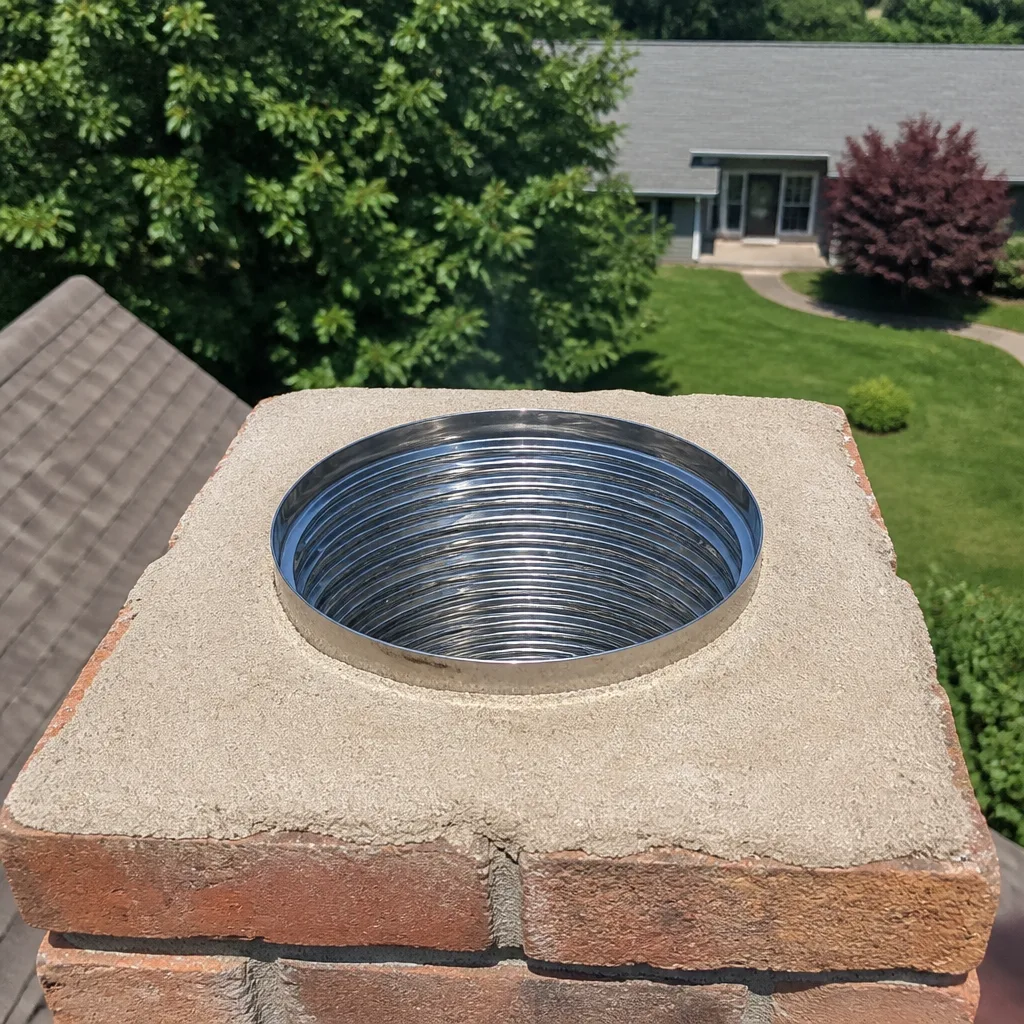
Call a certified sweep if you see glazed or heavy creosote in the flue, smoke entering the room during a fire, water stains on walls or ceilings near the chimney, animal nesting material in or around the cap, or cracks in the firebox wider than a dime. Call same week if you’ve had a chimney fire, even a small one. After a chimney fire, the flue liner must be inspected by camera before the fireplace is safe to use again. In many cases, a damaged liner means a DuraFlex stainless steel liner replacement, which is the same product specified by chimney engineers on residential and commercial projects.
If any of the above sounds familiar, we’re the team that can actually do the repair, not just refer you to someone else. Millbrook Chimney Sweep offers free estimates in Vista, and our service includes the full arc from inspection through cleaning through repair, with materials like HeatShield for firebox restoration and Gelco caps for exterior protection. Read Choosing the Right Chimney Cleaning Brand: A Buyer’s Guide for Vista if you’re comparing options. Call (833) 589-9711 and we’ll walk you through what you’re seeing.
Frequently Asked Questions
A standard chimney sweep and Level 1 inspection in Vista typically runs $169 to $249 depending on chimney height, accessibility, and creosote condition. Heavier creosote loads or glazed creosote requiring rotary cleaning add cost, as does a Level 2 camera inspection. For an exact quote on your chimney, call (833) 589-9711 and we’ll price it over the phone, with no surprises on the day of service.
Annually at minimum, regardless of usage. If you burn more than 40 to 50 hours per season, burn eucalyptus or green wood, or live near the coast where salt air accelerates exterior decay, sweep twice per season. The right interval follows your actual burn hours, not a fixed calendar.
A liner replacement is required when the existing clay tile liner is cracked, spalled, or no longer contains the flue gases. This isn’t a discretionary upgrade, it’s a fire containment issue. The way to know for certain is with a camera inspection, which shows the condition of the liner in real time. If we recommend a liner, we’ll show you the footage that justifies it. If a previous company recommended one, get a second camera opinion before spending thousands. We repair what we find, and if it can be repaired with HeatShield instead of replaced, we’ll do that.
Creosote accumulates. If it reaches a thickness where it ignites, you have a chimney fire, which can crack the flue liner, spread to the house framing, and in serious cases, destroy the home. Short of a full fire, skipped maintenance also leads to water damage through cracked crowns and caps, which rots framing and damages interior ceilings and walls. The cost of prevention is measured in hundreds. The cost of neglect is measured in tens of thousands.
You can, but you’ll deal with glazed creosote buildup far sooner than with oak or other hardwoods, and you’ll need to sweep on a shortened interval. If you have ready access to free eucalyptus, use it sparingly and always mixed with a clean-burning wood like seasoned oak. If you’ve been burning it regularly, call us at (833) 589-9711 to schedule an inspection sooner than your usual annual appointment.
Yes. Dryer vent cleaning is part of our core service along with chimney sweeping and repair. According to NFPA data, dryer vents are the leading appliance-related fire source in U.S. homes, and they’re a natural fit for a company that handles venting safety across the board. The same care we apply to your chimney flue applies to your dryer duct. See our Chimney Sweep in Vista page for the full scope of what we clean, inspect, and repair.
The Bottom Line
A good chimney maintenance checklist for Vista does three things: it’s specific to what actually degrades in this climate, it distinguishes between what you can see and what needs a certified professional, and it produces a documented history that protects you with insurers, home buyers, and the next owner of your house. Check your firebox before every burn, your exterior monthly during fire season, and your cap and crown after every major wind event. Sweep on a burn-hour schedule, not just a calendar. If you’re not sure what you’re looking at, get a second set of eyes from someone who does this work every day. One thorough inspection in Vista often prevents a repair calendar that would have been obvious a year earlier.
Written by the team at Millbrook Chimney Sweep, serving Vista since 2014. For more on our full service area and what we cover, start at Millbrook Chimney Sweep home.
See the difference
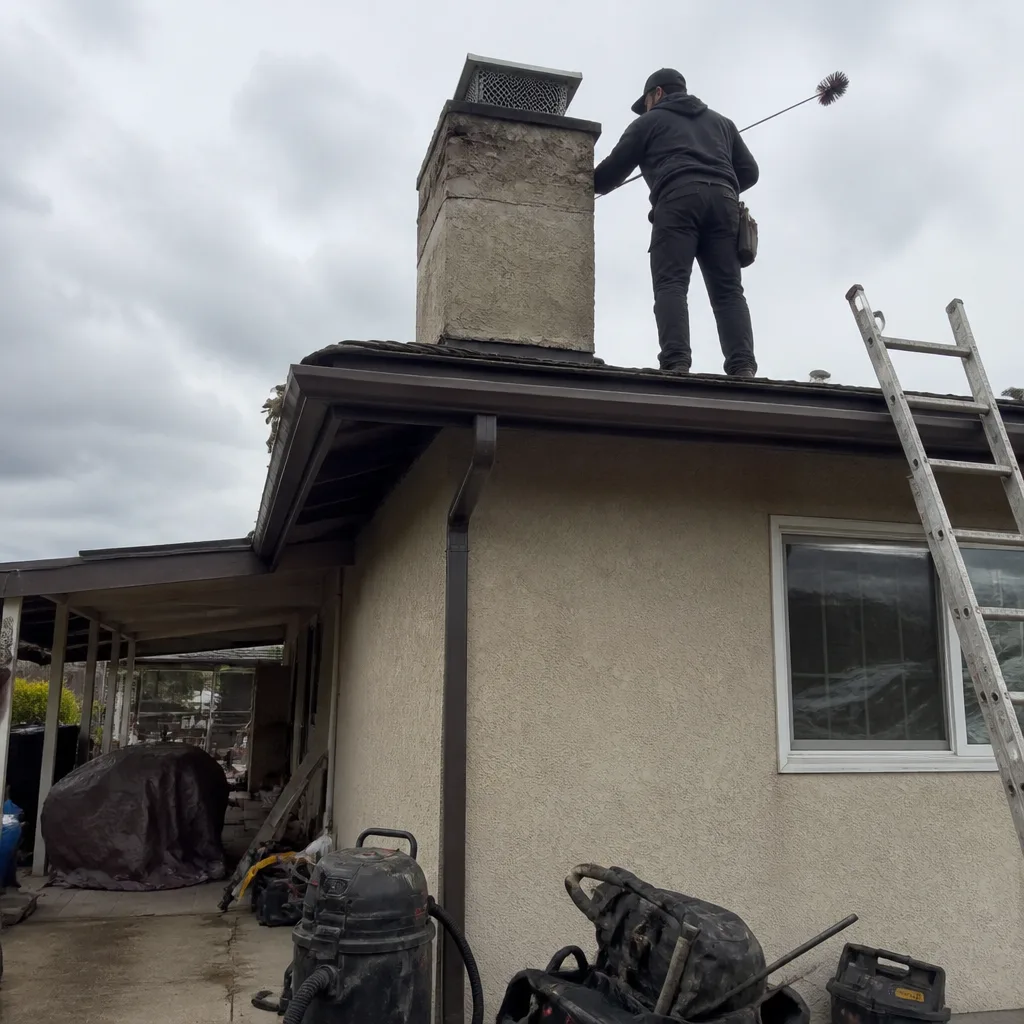 Before
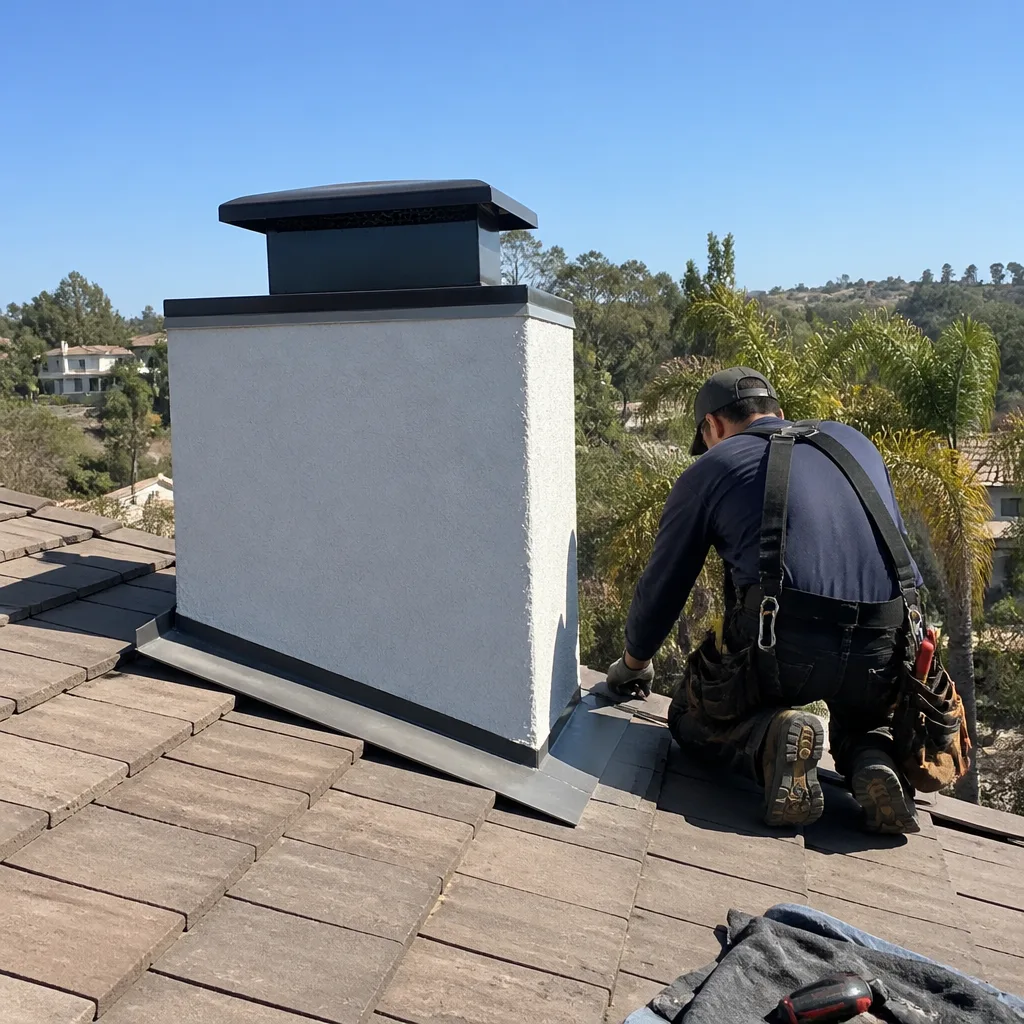 After
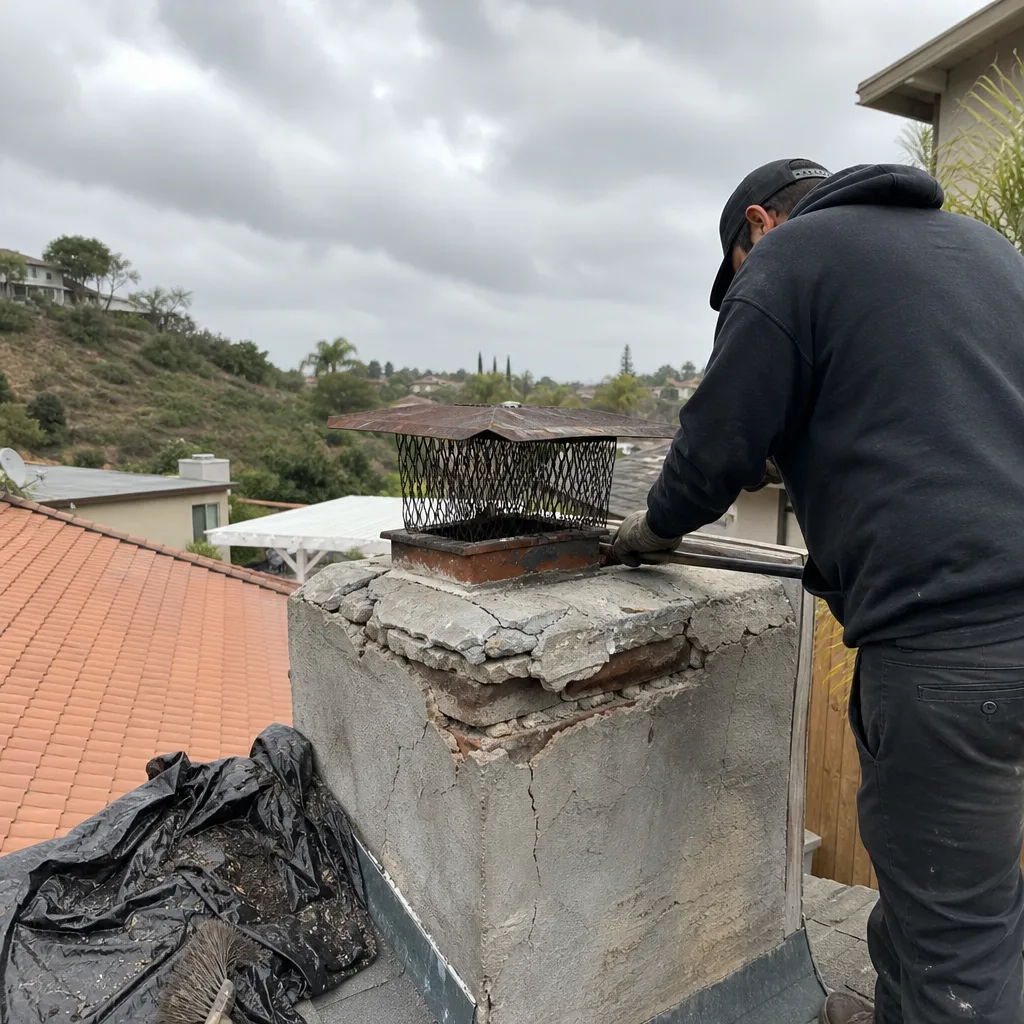 Before
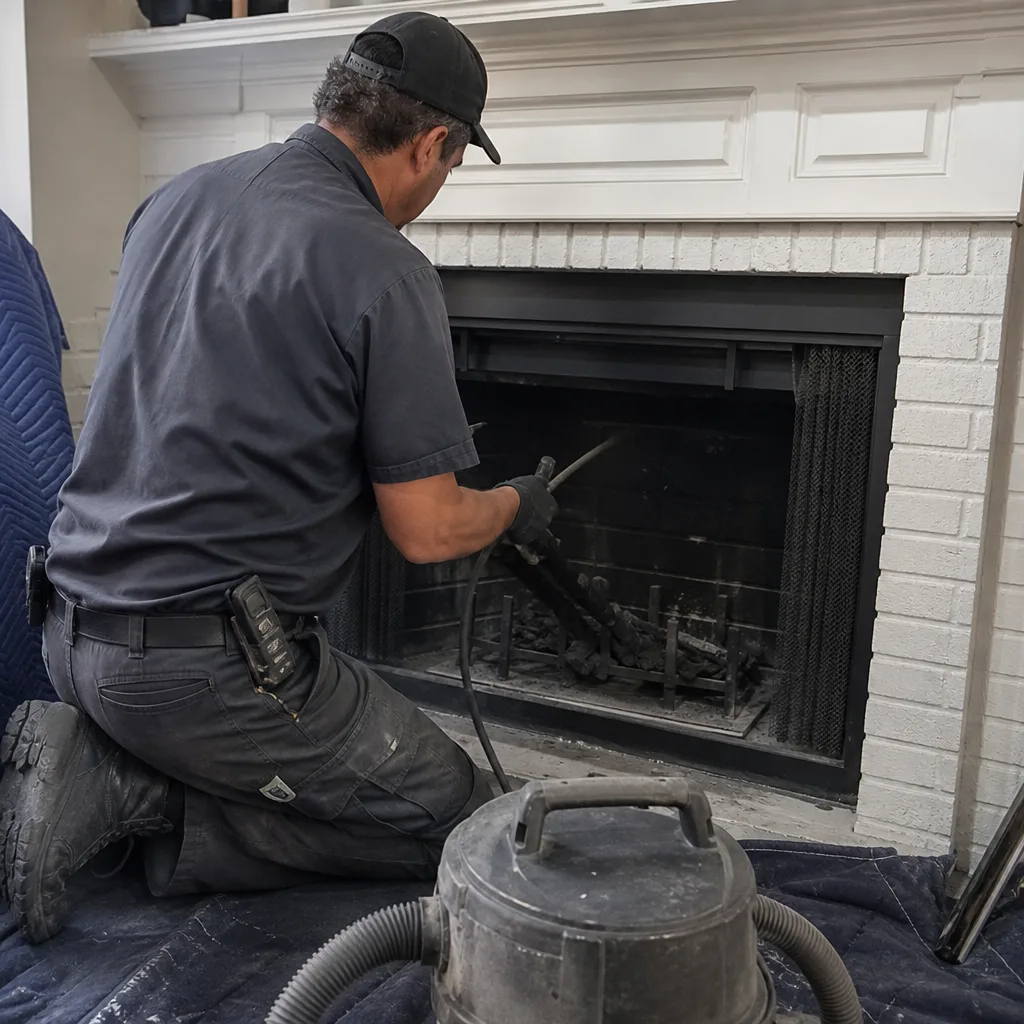 After
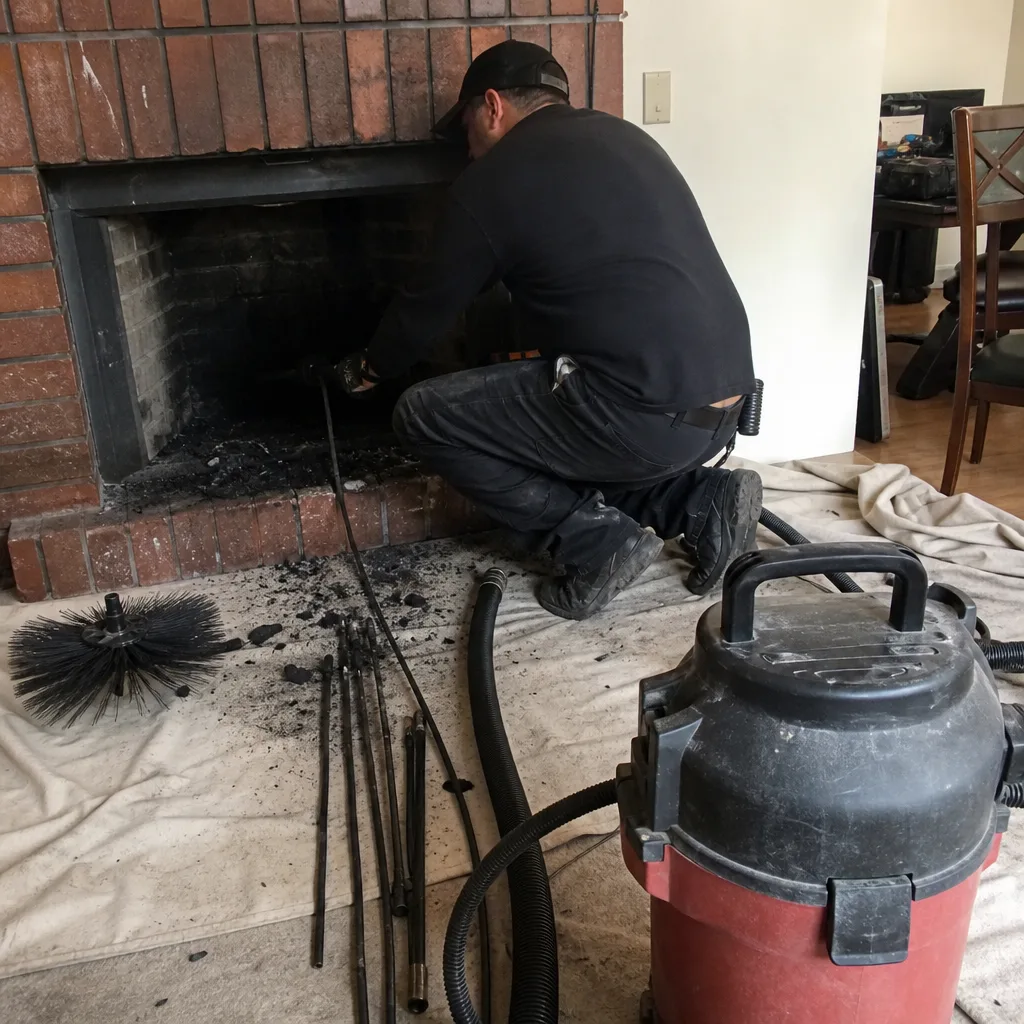 Before
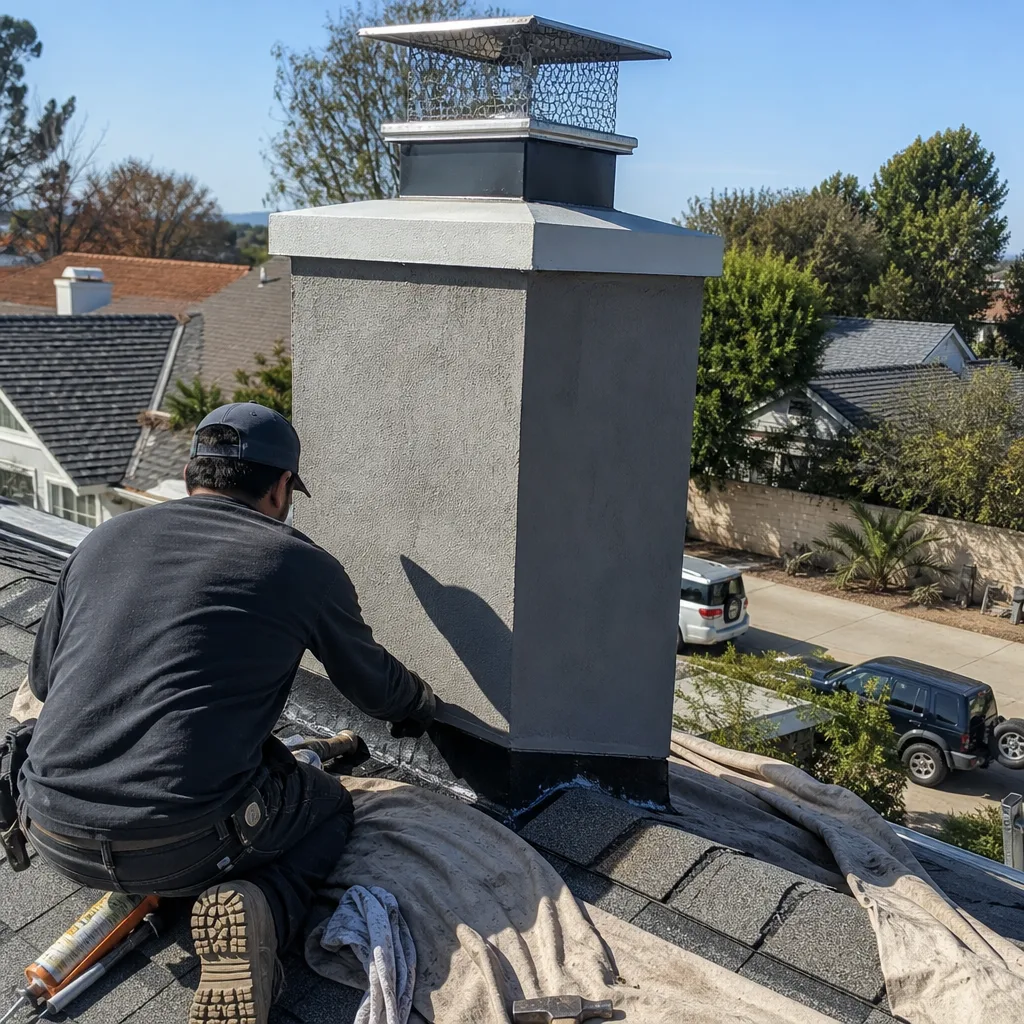 After